Is Oil on Coffee Beans Normal? Dark vs Light Roast Oil and Buying Tips
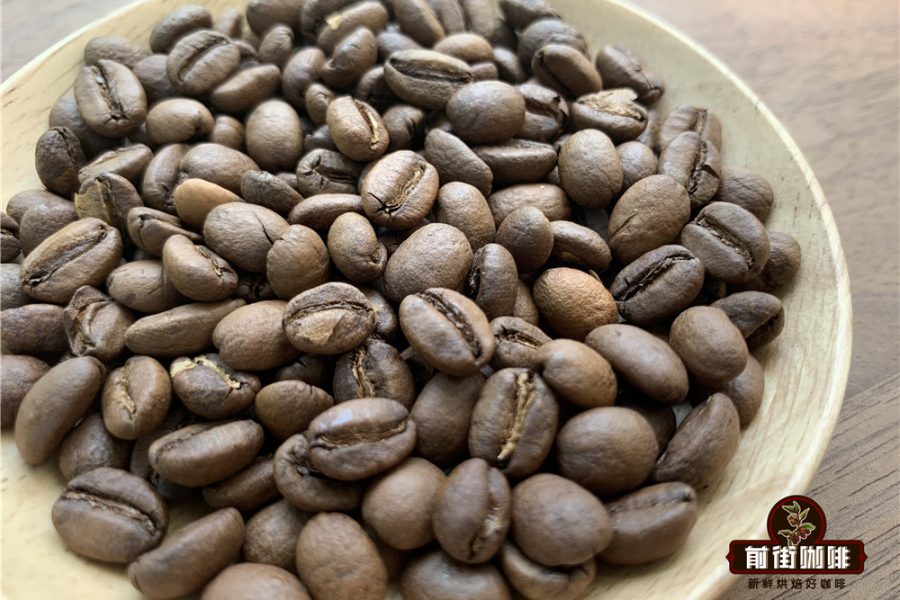
Introduction: Many coffee lovers notice an oily sheen on the beans they bring home and wonder whether this affects quality. This article explains in depth how the roasting process causes oils to emerge, compares the oil characteristics of beans at different roast levels, and shows you how to judge freshness by observing the state of the oil layer. With this knowledge, you can not only choose the right beans for pour-over or espresso, but also avoid wasting quality beans by misjudging freshness.
The oily gloss that forms on the surface of coffee beans is a normal phenomenon, but its cause is closely tied to the roasting process. All green beans start out blue-green and gradually turn yellow during the initial dehydration and drying stage of roasting. As the temperature rises, the beans enter the Maillard reaction stage—the same chemical process as toasting bread or searing steak—which darkens the beans and develops their unique flavors.
When the internal pressure of the bean passes a critical point and first crack occurs, the carbon dioxide and oils previously sealed within the cellular structure begin to be released. It is this migration of oils to the bean surface that creates the visible oily sheen. Note that this oil emergence continues throughout the shelf life, but the extent depends directly on roast depth.
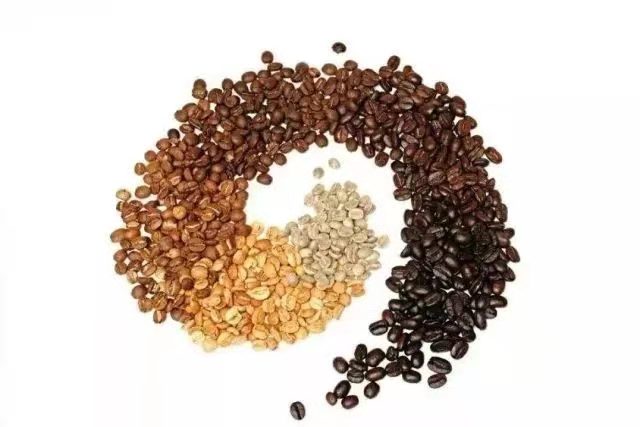
Light to medium roasts (such as City roast) usually keep a dry surface, because roasting time is shorter and the peak temperature is relatively lower. Take Ethiopian Yirgacheffe: even after a medium roast, the surface of these citrus-forward beans still looks clean. Deep roasts (such as French roast), by contrast, develop a clear oil film from long exposure to high heat, as with Indonesian Mandheling. Observations show that the oil layer on such beans is most pronounced 7–10 days after roasting, which roughly matches the time it takes for oils to fully migrate to the surface.
When consumers ask "why are my newly bought coffee beans so unusually oily," the first thing to check is the roast date. If a light-roasted Kenya AA or a medium-roasted Colombia Huila shows an obvious oily sheen, it has likely passed its peak—normally such beans should stay dry within 2–4 weeks of roasting. At this point, double-check: besides looking at the amount of oil, also smell the beans to judge whether they carry stale notes such as cardboard or rancid oil.
But the situation with dark roasts is the opposite: a deep-roasted bean with no oil at all may actually be a sign of over-long storage. Because oil migration is more complete in dark roasts, after prolonged oxidation the surface oil film gradually evaporates. An espresso blend stored for more than three months, for example, may show a matte surface even if it is a dark roast, a state that often comes with lost aroma and dulled flavor.
When buying, note that home grinders have limited ability to handle oily beans. Flat burrs are prone to dulling as oil sticks to the edges, so for strongly oily dark roasts, conical burr models are preferable. For pour-over, dark-roasted beans with a moderate oily sheen (within 1–2 weeks of roasting) usually show better body, but oily beans more than 3 weeks old may have compromised flavor complexity from over-oxidation.
Professional roasters recommend a "three-step check" to judge whether oiliness is normal: first, check the roast date on the packaging (fresh dark-roasted beans should be within 7–21 days); next, observe whether the oil layer is evenly distributed (localized oil patches may indicate improper storage); finally, gently rub a bean to feel the oil's stickiness (a fresh oil layer should feel moderately lubricated rather than greasy). With these points in hand, whether you are buying single-origin beans for pour-over or espresso blends, you can assess the state of the beans more accurately.


