Sumatra Coffee Explained: Unique Flavor, Moderate Caffeine, Best for Pour-Over or Espresso?
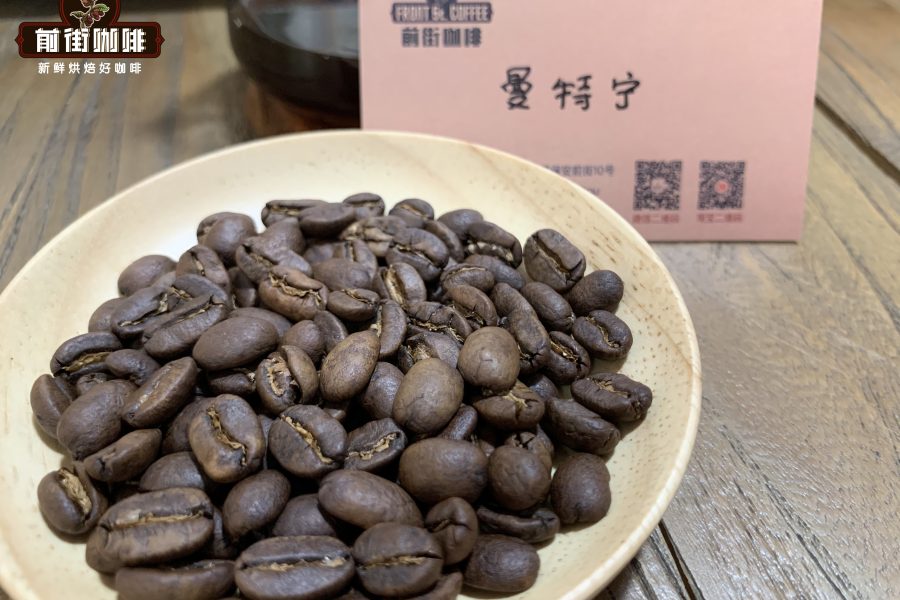
Introduction: Sumatra coffee is renowned for its signature full-bodied, earthy flavor and is a core ingredient for many specialty coffee shops and chain brands. This article reveals the true origins of this Indonesian coffee, its unique wet-hulling process, clarifies common misconceptions about high caffeine content, and offers professional roasting advice and brewing methods to help coffee lovers appreciate this classic bean variety more scientifically.
When Sumatra coffee is mentioned, seasoned coffee enthusiasts often first think of that signature deep, earthy character—this coffee bean, originating from Indonesia's largest island, has become an indispensable base note in many specialty coffee blends thanks to its rugged, full-bodied taste. In fact, it is not only an important base for Starbucks' classic espresso but also holds a unique position in the global specialty coffee market with its irreproducible regional flavor.
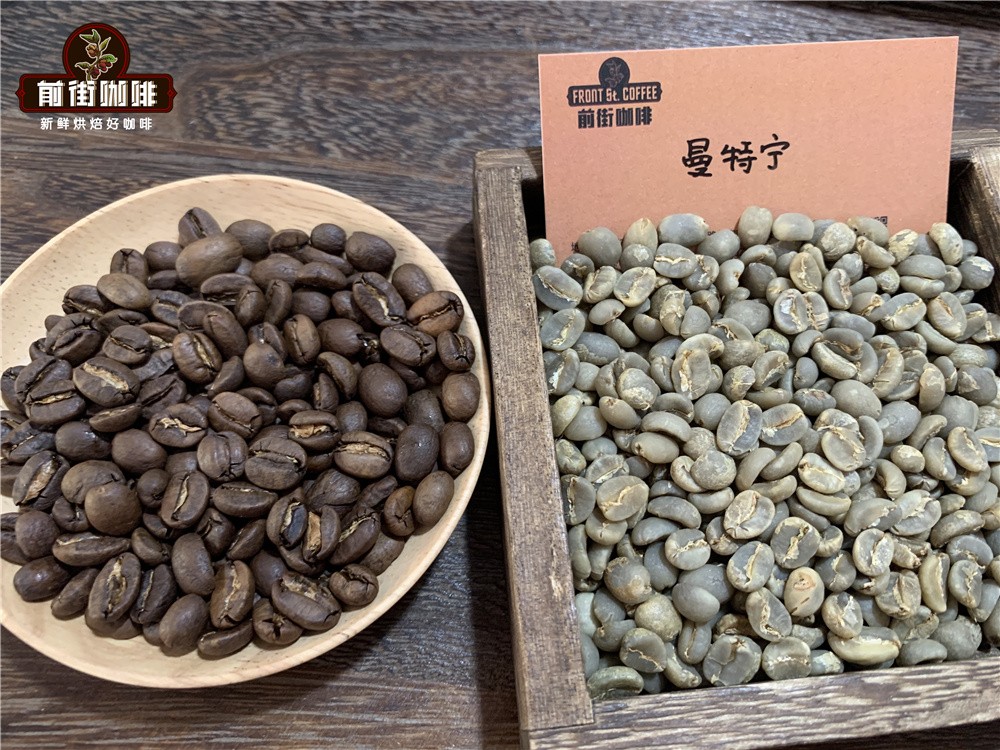
Sumatra coffee's geographical label is extremely clear: it is produced on the island of Sumatra in the Sunda Islands of western Indonesia, and this island—the sixth largest in the world—contributes more than half of the country's coffee output. As the world's fourth-largest coffee exporter, about 80% of Indonesia's Arabica beans come from major producing regions such as Sumatra and Java, with Sumatra, thanks to its special high-altitude volcanic soil environment, nurturing coffee varieties with distinct recognizability.
The processing method of this producing region is truly unique worldwide. Unlike the common washed method in Central and South America, Sumatra coffee generally adopts the "wet-hulled process"—after the coffee fruit has its pulp removed, the outer parchment is hulled while the mucilage layer has not yet fully dried, and then drying continues until the moisture content meets standards. This process requires precise timing control in high-temperature, high-humidity environments; although it increases operational complexity, it effectively enhances the coffee bean's body and gives rise to a distinctive layered aroma of herbs, earth, and wood.
Common questions about caffeine content need scientific clarification: laboratory testing shows that the caffeine content of Sumatra Arabica coffee beans is stable in the 1.2%–1.5% range, on par with most high-quality Arabica varieties; by comparison, Robusta beans have a caffeine content as high as 2.7%. The claim that "Sumatra coffee has higher caffeine" is a misconception—its flavor intensity mainly comes from complex post-harvest processing rather than alkaloid concentration.
In terms of roasting application, Sumatra coffee shows strong adaptability. When dark roasted to the dense stage of second crack, its rich oils and sugar conversion perfectly complement its low-acidity character, making it a classic choice for espresso—this is also the main reason brands such as Starbucks purchase it long-term. However, if a medium-light roast is used and extracted by pour-over (recommended coffee-to-water ratio 1:15, water temperature 90–92°C, pulse pouring method), the layered changes of nuts, dark chocolate, and a faint smoky note can instead be captured more clearly.
For home brewers, purchasing Sumatra coffee requires attention to two key indicators: first, look for the "Mandheling" or "Gayo" regional designation (the former is produced around Lake Toba in the north, the latter from the highlands of Aceh Province); second, check the roast date—beans whose freshness exceeds 21 days are best rested for another 3–5 days before use. Professional baristas usually recommend storing such beans in foil bags with one-way exhaust valves, kept away from light at 18–22°C to slow flavor degradation.


