A Beginner's Guide to Brewing: Avoiding 7 Common Mistakes for Full-Flavored Pour-Over Coffee
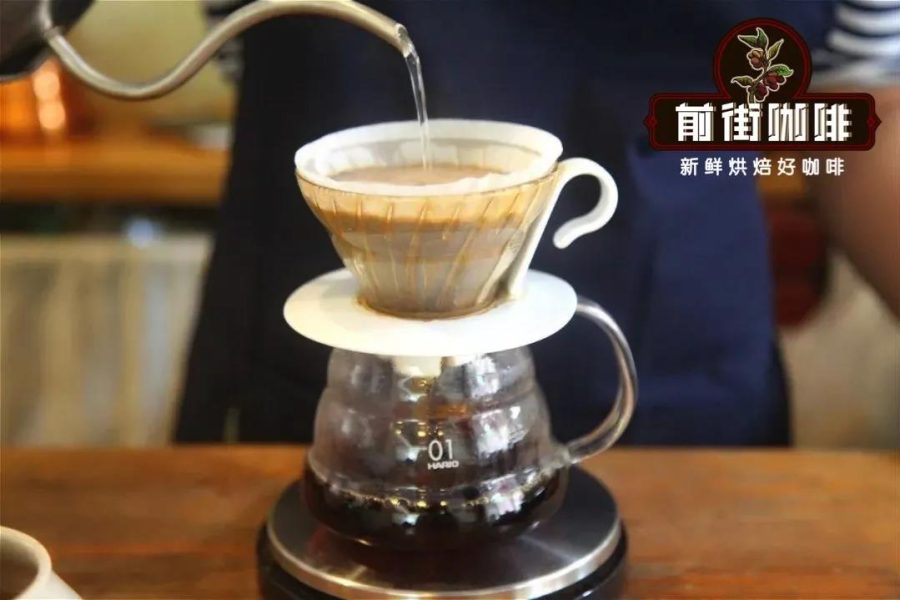
Introduction: Want to brew coffee at home that rivals a coffee shop? Many beginners overlook details that lead to poor flavor. This article reveals the 7 most common brewing mistakes, including key factors such as coffee bean freshness, water selection, and grind size, and provides professional-level operating steps and practical parameter suggestions to help you precisely master extraction techniques and easily improve the quality of home coffee.
Many coffee enthusiasts long to recreate café-level flavor at home, but often the results fall short because the operational details are not handled well. In fact, as long as you avoid a few common mistakes and master a scientific brewing process, even beginners can consistently produce good coffee.
Mistake 1: Using expired coffee beans
Coffee bean freshness directly affects flavor performance. After roasting, coffee beans oxidize over time, and the oils gradually go rancid. **The optimal flavor period is usually 2-4 weeks after roasting**. Pay special attention: because pre-ground coffee has increased surface area, its aroma loss rate is more than 3 times faster than whole beans. It is recommended to buy products with a clearly marked roast date, prioritize beans within 10-20 days after roasting, and avoid exposing coffee to humid environments.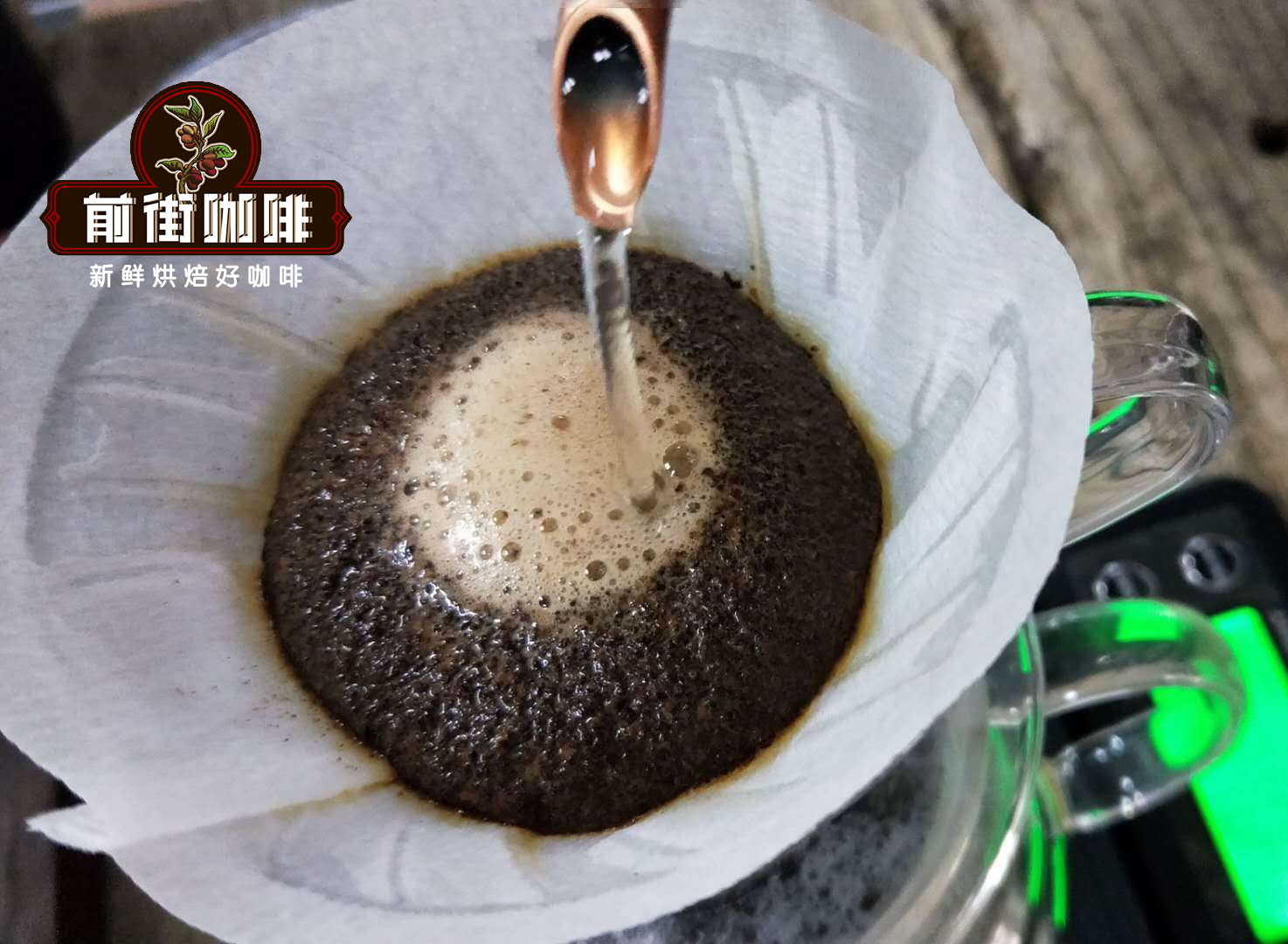
Tip: When storing whole beans, be sure to use an airtight canister with a one-way degassing valve and place it in a cool, dark place.
Mistake 2: Neglecting precise weighing
Adding ingredients by eye alone will cause concentration fluctuations. Professional brewing requires the ratio of coffee grounds to water to be controlled between 1:15 and 1:18 (for example, 15 grams of grounds to 225-270 milliliters of water). The electronic scale must have 0.1-gram precision. In particular, note that the density of coffee beans from different origins can differ by up to 40%, so the same volume may vary by dozens of milligrams. Even for devices like the AeroPress, using a scale still ensures parameter consistency.
Mistake 3: Underestimating water quality issues
Water makes up more than 98% of the coffee liquid, and its quality directly determines success or failure. Water with excessive hardness (calcium and magnesium ions >150 mg/L) will inhibit flavor release, while purified water lacks mineral buffering. It is recommended to use filtered water with a TDS value of 70-150 ppm, or add 1-2 drops of food-grade citric acid to adjust the pH value. Water temperature control is equally critical: light-roast beans are suitable for 90-93°C, and dark-roast beans are suitable for 85-88°C. A temperature error exceeding ±2°C will noticeably affect the extraction rate.
Mistake 4: Improper coffee bean storage
Even freshly roasted beans will deteriorate quickly with improper storage. Once the aluminum foil layer of an ordinary coffee bag is damaged, oxygen will increase the oxidation degree of coffee beans by 60% within 48 hours. It is recommended to use a sealed glass jar with a silica gel desiccant, and the storage environment temperature should be below 25°C. Pay special attention: ground coffee must be used up within 15 minutes, otherwise the aromatic substances will be almost completely lost.
Mistake 5: Not cleaning equipment for a long time
Oil residue left inside a coffee machine will breed mold and produce a rubber-like off-flavor. It is recommended to deep clean at least once every 15 uses or once a month: disassemble all removable parts, soak them in 50°C warm water with neutral detergent for 10 minutes, and for stubborn scale, soak in a white vinegar solution (1:1 ratio) and then rinse thoroughly. Although pour-over equipment is simple, coffee grounds accumulated on the edge of the dripper will also affect the flow rate of the next brew.
Mistake 6: Choosing the wrong grind size
Grind coarseness must strictly match the brewing method: a French press needs coarse particles of 800-1000 μm (similar to coarse granulated sugar), V60 pour-over recommends a medium-fine size of 500-600 μm (sea salt size), and the AeroPress needs fine grounds of 300-400 μm (close to table salt). The wrong grind will lead to over-extraction (bitter) or under-extraction (sharply sour). For home grinders, conical burr types are recommended because they can maintain a more stable particle distribution.
Mistake 7: Ignoring cup preheating
A cold cup will cause the coffee to drop 3-5°C before drinking, seriously affecting the taste experience. The correct approach: pour boiling water into a ceramic cup, let it sit for 30 seconds, then pour it out, or use a dedicated preheating rack to maintain the temperature. Experiments have proven that a preheated cup allows the coffee's flavor layers to show more completely, especially for bright-acidity Ethiopian bean varieties, where the effect is particularly noticeable.
After mastering these basic points, it is recommended to start advanced practice with the single-variable testing method: adjust only one parameter at a time (such as grind size/water temperature/grounds-to-water ratio), record flavor changes, and build a personal preference database. Remember, excellent baristas have all grown through hundreds or thousands of fine-tuning practices.


