Guatemala Coffee Beans: Hard Bean and Low-Acid Flavor Guide
Introduction: Guatemala coffee, with its unique terroir, nurtures rich and diverse flavor layers, from high-altitude hard beans to low-acid Flor del Café, each region has its own distinct characteristics. This article provides an in-depth analysis of the core differences among Guatemala's eight major coffee regions, reveals the true definitions of hard bean and low-acid coffee, and through specific regional cases (such as Flor del Café) explains flavor characteristics and processing techniques in detail, helping coffee enthusiasts accurately choose their desired beans.
In the Central American coffee landscape, Guatemala is renowned worldwide for its eight volcanic regions, and its coffee combines complex flavors with consistent quality. Unlike the stereotype of a single region, here you find both the rich expression of high-altitude hard beans and the elegant balance of low-acid Flor del Café; each region develops a unique personality due to differences in microclimate and soil.
[The Truth About Hard Beans] Guatemala's SHB (Strictly Hard Bean) grade coffee must be grown above 1350 meters. Although the Antigua region is surrounded by three volcanoes, not all Guatemalan beans are hard beans—for example, the San Marcos region, with its lower altitude, tends more toward medium acidity and brightness. Professional roasters suggest: hard beans, due to thicker cell walls, are suitable for medium-dark roasting at 195-205°C to bring out nutty and chocolate notes.
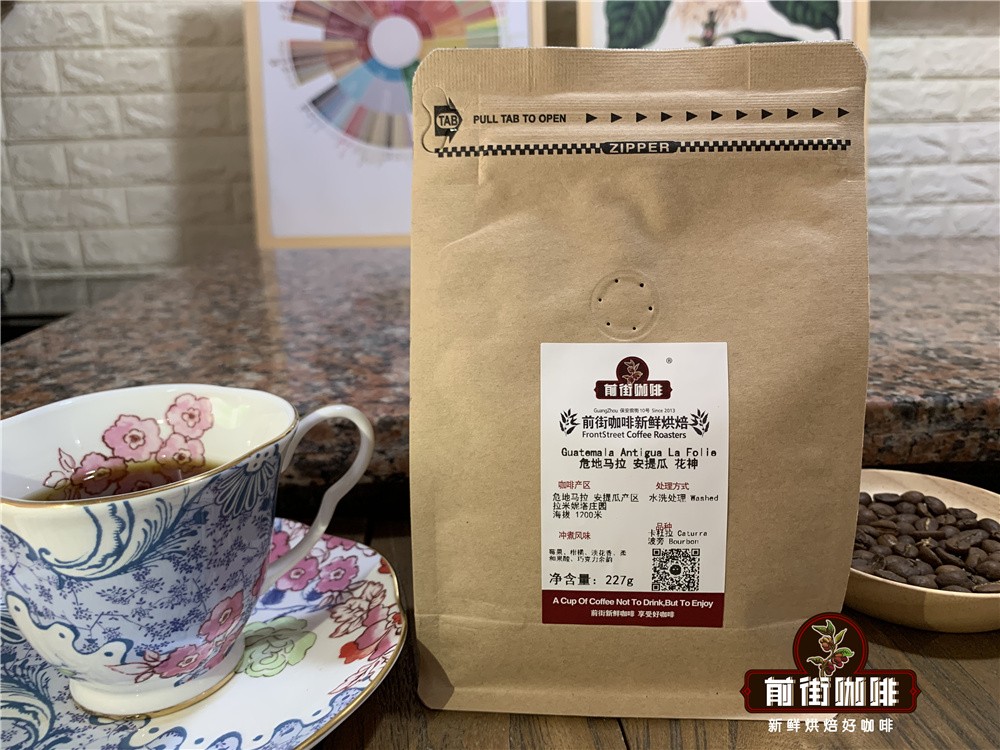
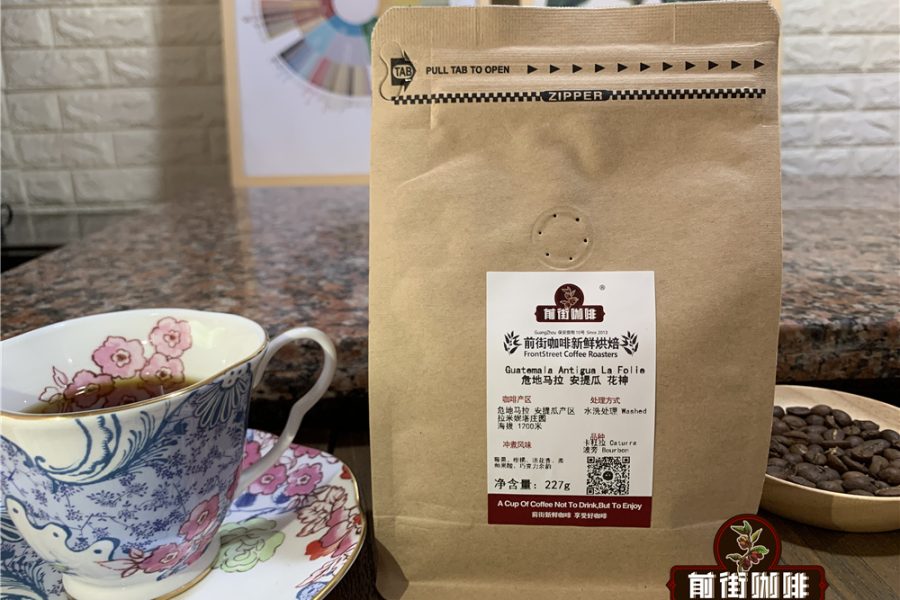
[The Low-Acid Mystery of Flor del Café] Guatemalan coffee labeled Flor del Café (as shown in the region map) actually comes from the La Minita estate in the Antigua volcanic area. Its altitude of 1200-1600 meters falls within the SHB standard range, and it is processed using the traditional washed method, achieving low acidity through 14-16% moisture content control. In terms of flavor, it is based on a mild acidity of pH 5.2-5.6, highlighting jasmine floral notes and a dark chocolate finish, with a balance of acidity and bitterness reaching industry-leading levels.
[In-Depth Regional Comparison]
• Huehuetenango: A very high-altitude region at 2000 meters; although it lacks volcanic soil, its dry climate produces high-sugar coffee with acidity pH 5.0-5.3 and tropical fruit notes. Note that due to its distance from rivers, natural processing is often used.
• San Marcos: The country's wettest region, with annual rainfall exceeding 3000mm, causing coffee to mature early and develop unique tartaric acid flavors. It is recommended to extend the blooming time to 45 seconds when brewing pour-over.
• Lake Atitlán: The ring-shaped lake moderates the climate, and organic farming gives it a rich chocolate base. When using the rare dry process, beware of mold risk during the rainy season.
[Impact of Processing Methods] 80% of Guatemalan coffee is washed, but the Antigua region, where Flor del Café belongs, is an exception—some estates retain the traditional dry process, using raised-bed drying for 12-15 days to allow the mucilage to break down slowly. This technique enhances sweetness but requires a stable average daily temperature of 18-22°C. Consumers should note: washed beans have higher cleanliness, while dry-processed beans have more exuberant flavors.
[Buying Tips] To identify authentic Antigua coffee, look for volcanic soil certification and a estate traceability system; high-quality SHB green beans should have a density of 0.78g/ml or above. Brewing parameters for reference: use a V60 dripper with a 1:15 coffee-to-water ratio, first pour at 93°C in a circular motion for 30 seconds, which effectively highlights the signature citrus and spice layers of Guatemalan coffee.