Colombian San Jose Coffee Flavor Analysis: A Beginner's Guide to High-Altitude Arabica
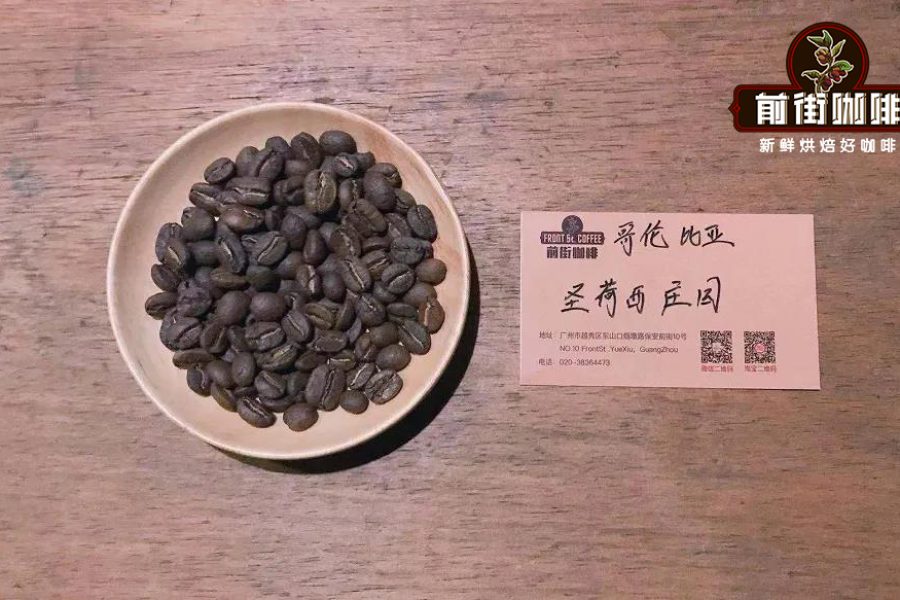
Introduction: Want to understand why Colombian coffee is often called a representative of specialty coffee? This article provides an in-depth analysis of the coffee advantages of the world's third-largest exporter, focusing on the case of the San Jose estate at an altitude of 1,750 meters. It details the flavor performance of Arabica beans under washed processing and special fermentation, and provides professional-level flavor wheel descriptions and brewing reference parameters.
The global coffee market is mainly divided into two major camps: Arabica and Robusta, with specialty coffee enthusiasts preferring the former. As the world's third-largest coffee exporter, Colombia, with its unique geographical conditions, cultivates high-quality Arabica beans with distinct regional characteristics—the coffee beans from the San Jose estate area are a typical example.
Colombia's coffee-growing belt enjoys abundant rainfall of over 200 cm per year, combined with terraced high-altitude terrain (common planting heights of 1,200-2,000 meters) and mineral-rich volcanic soil. These natural elements together create the advantage of slow ripening of coffee cherries. The country adopts a strict manual bean-by-bean selection system and widely uses washed processing technology that retains more flavor compounds.
Compared to ordinary Arabica beans, the uniqueness of Colombian coffee is reflected in three aspects: First, its planting altitude of over 1,750 meters prompts the coffee beans to develop brighter acidity; second, the local unique fine washed processing method can highlight the layering of berries and caramel; finally, the barrel-aged fermentation process (such as rum barrel treatment) introduced by some estates gives the coffee an extra mellow finish.
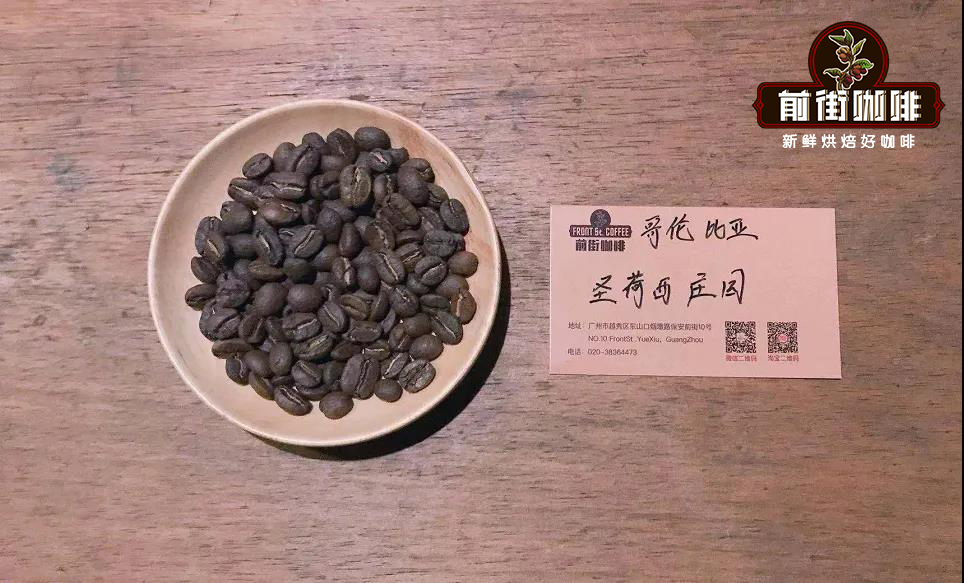
Taking the San Jose estate in the Caldas region as an example, the Castillo variety planted at an altitude of 1,750 meters on this plot, through refined washed processing combined with rum barrel fermentation, ultimately presents a complex flavor matrix: primary aroma includes the fresh notes of tropical fruits and grapes, mid-palate flavor unfolds as interwoven sweetness of liqueur chocolate and maple syrup, and the finish has a creamy, dense texture. Such beans typically receive Supremo grade (screen size 18+) specialty certification.
For home brewers, it is recommended to use 92-94°C water temperature with a 1:15-1:16 coffee-to-water ratio. When using a V60 dripper, pay attention to pouring the second pour slowly in circles to fully extract the vanillin compounds brought by rum barrel fermentation. Note that the optimal drinking period for such specially processed coffee beans is between 10-21 days after roasting.
In summary, the reason Colombian coffee can become a benchmark for specialty coffee stems from its irreproducible natural growing environment and the refined processing system developed locally. From the case of the San Jose estate, it can be seen that high-altitude planting combined with innovative processing methods can rejuvenate traditional Arabica beans with more recognizable flavor characteristics.


