Colombia San Jose Coffee: Variety Traits and Optimal Roasting Guide
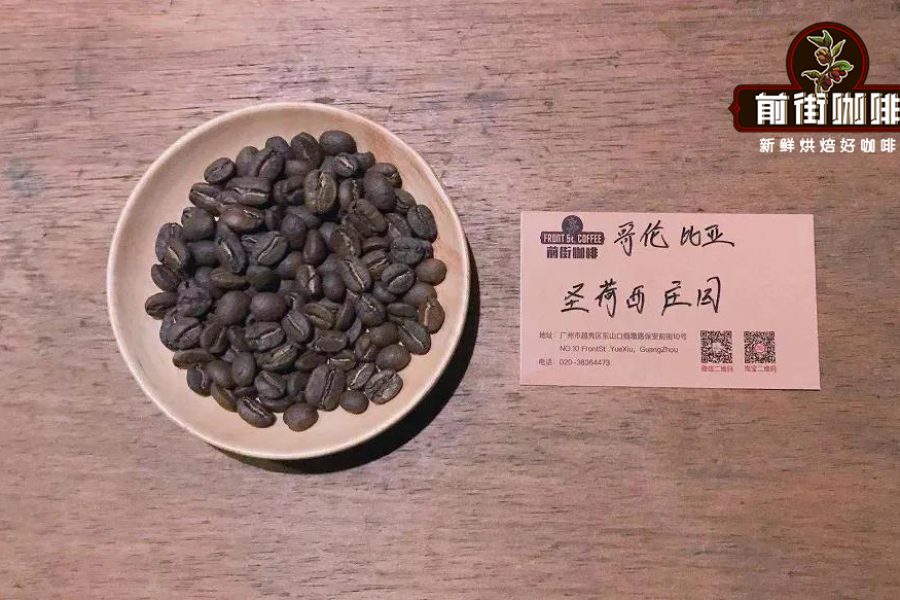
Introduction: Colombia San Jose coffee has become a focus for specialty coffee enthusiasts thanks to its unique rum-barrel fermentation process and high-quality growing region. This article takes an in-depth look at the variety background, origin characteristics, processing flow, and roasting recommendations for this coffee, helping you fully understand the causes of its flavor and providing practical medium-light roasting parameters to help you better taste or brew this uniquely flavored coffee.
Thanks to the high-altitude terrain of the Andes and the tropical climate near the equator, Colombia has excellent natural conditions for growing high-quality Arabica coffee. As the world's third-largest coffee producer, Colombia differs from Brazil and Vietnam in focusing on high-quality Arabica, and its coffee is highly regarded for its rich flavor layers and high natural sugar content.
Among these, coffee from the San Jose farm is known for its special processing method—rum-barrel fermentation. What makes this process unique is that during fermentation the coffee cherries interact with aged rum barrels, giving the coffee a distinctive rum aroma and sweetness. The farm is located in the Nevada del Ruiz volcanic region, where the soil is rich in volcanic ash, sunlight is abundant, the average annual temperature stays at a comfortable 21°C to 25°C, and the altitude ranges from 1,350 to 1,470 meters, providing an ideal micro-environment for coffee growth.
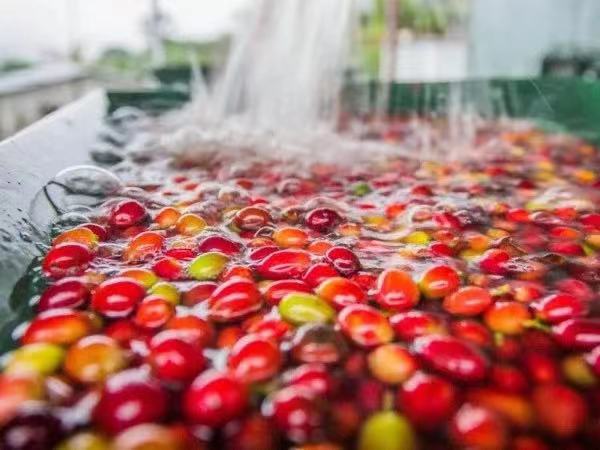
Not all coffee cherries are suitable for this process; only fruit that has reached optimal ripeness and shows a deep purple color is selected. These selected cherries are usually taken from the second or third harvest of the year and are carefully hand-picked to ensure quality. The coffee is then washed and fermented in tanks for up to 20 hours to further enhance flavor complexity.
Initial drying takes place in sealed silos, after which the coffee is transferred to Marquesinas solar dryers with polyethylene covers and bamboo/PVC arch structures, allowing the beans to dry evenly on ventilated raised beds under light, ensuring a gentle and stable drying process. It is worth noting that the coffee variety used is Castillo, a new leaf-rust-resistant variety developed jointly by Colombia's National Coffee Research Center (Cenicafé) and the country's coffee growers association (FNC). It not only has strong environmental adaptability but also delivers flavor close to the traditional high-quality variety Caturra, making it widely popular in the specialty coffee market.
All Castillo beans used for this process are sorted by bean size, with priority given to beans that pass through screens 17 and 18. They are then placed in "tafia" rum barrels aged at least 8 years for maturation of about 3 months. This process gives the coffee a captivating rum aroma, an attractive hazelnut tone in the oils, and a lasting sweet, spirituous finish that leaves a deep impression. In addition, the Barrique rum fermentation process has been listed by UNESCO as an "Intangible Cultural Heritage of Humanity" since 2011, highlighting its cultural and craft value.
Regarding the variety details of San Jose coffee, Castillo is Colombia's flagship next-generation disease-resistant variety. It was developed to increase yields while strengthening resistance to leaf rust and to pursue quality and flavor close to Caturra. Because of its stable output and good flavor potential, this variety has become a preferred choice for many coffee farmers and roasters.

For roasting recommendations, if the goal is to highlight its rum aroma, a medium-light roast is the ideal approach. Taking 300 grams of green beans as an example, when using a semi-direct-fire roaster, it is recommended to set the initial drum temperature to 190°C, keep the heat at 140 after charging, and open the damper to 3. When the turning point appears at 1 minute 42 seconds and the drum temperature drops to 140°C, the damper can be adjusted to 4 while the heat remains unchanged. As roasting progresses, when the drum temperature reaches 151.8°C, the bean surface turns yellow, and the grassy smell disappears, the dehydration stage begins; at this point, if the drum temperature is near 150°C, it is recommended to lower the heat to 120 and keep the damper unchanged.
When roasting time reaches 8 minutes 38 seconds, if wrinkles and dark streaks appear on the bean surface and the toasty bread aroma gradually turns into coffee aroma, it means first crack is about to begin, so listen carefully for the first crack. Usually when first crack begins (about 9 minutes 07 seconds), adjust the damper to 4 and maintain the first-crack development stage for about 2 minutes 10 seconds, then drop the beans at 195°C. Coffee roasted this way typically shows a complex flavor of rum, rum chocolate, tropical fruit, and grape, accompanied by obvious maple sweetness and a silky creamy mouthfeel, with rich and balanced flavor layers.
In summary, Colombia San Jose coffee combines a superior geographical environment, a unique fermentation process, and a carefully selected coffee variety. Whether as a single-origin pour-over or for deeper study of coffee processing methods, it is worth savoring carefully by coffee enthusiasts. Understanding the variety characteristics and roasting parameters behind it not only helps you better appreciate its flavor but also provides a practical reference for home brewing or professional roasting.


