Costa Rica Monster Estate Coffee: Varieties, Brewing and Flavor Guide
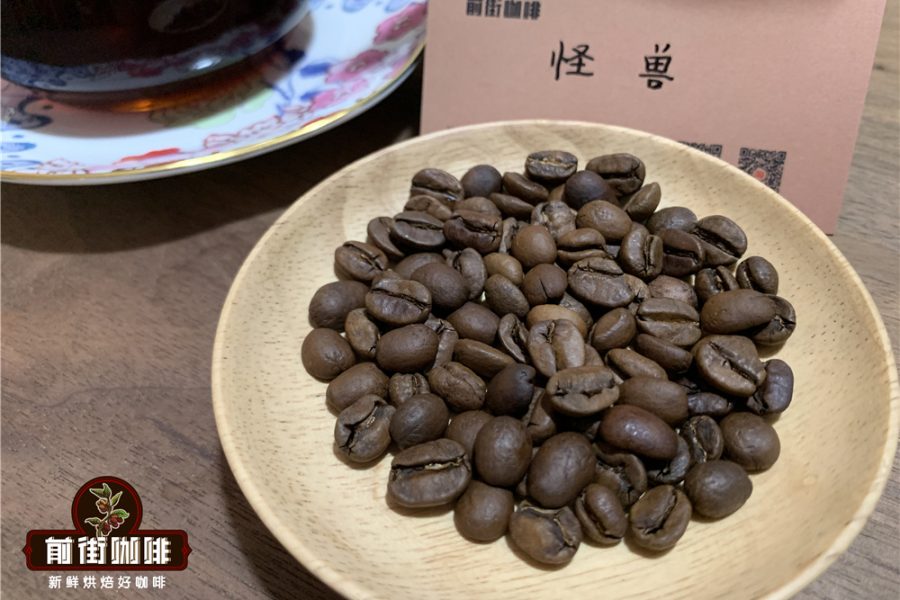
Introduction: Costa Rica's Monster Estate coffee is known for its distinctive flavor. Grown at 1,100–1,350 meters, this specialty coffee blends grape-like sweetness and acidity with a cherry-juice quality. This article explains the estate's history, the characteristics of its core varieties, provides professional pour-over parameters, and analyzes its layered flavor profile, helping you gain a deeper understanding of this niche specialty coffee.
In the world of coffee, the output of Costa Rica's Monster Estate is as full of character as its name. This family estate in San Ramón, though limited in production, cultivates coffee beans with a complex flavor profile thanks to the advantages of growing at 1,100–1,350 meters. The estate's history can be traced back to the period of the Poás volcano eruption, when a growing family originally from the Central Valley moved to the Western Valley and began this coffee legend.
The estate's main Caturra and Catuai variety combination is well worth noting. Caturra, a natural mutation of Bourbon discovered in Brazil in 1937, has a dwarf tree that is less resistant to disease but yields more per unit. Catuai, a cross between Caturra and Mondu Novo, combines resistance to wind and rain with firmer fruit—which is why harvesting requires more patience. It is worth noting that the fruit of these two varieties shows a red-and-yellow color difference.

The overall quality of Costa Rican coffee is closely tied to its special growing strategy. With limited land area, the country does not blindly pursue volume; instead, it uses high-altitude cultivation to enhance flavor complexity. At high altitude, coffee fruit takes longer to mature, allowing flavor compounds to accumulate more fully. Although this raises production costs, it delivers a sensory experience clearly superior to ordinary commercial beans.
The country's different regions each have their own flavor characteristics: the Brunca region's humid climate produces balanced citrus notes; blends from the Western Valley (Valle Occidental) often carry peach and apricot aromas; and the microclimate of the Central Valley yields a balance of chocolate and fruit with a signature honey sweetness. These differences stem mainly from each region's unique soil composition and microclimatic conditions.
For this specific lot from Monster Estate, a three-stage temperature-controlled brewing method is recommended: first, pour 30 grams of water at 92–94°C for a 30-second bloom to activate the coffee grounds; then, pour 125 grams of water in circles from the center outward, and wait until the water level drops to half the coffee bed; finally, when the bed is about to be exposed, add 100 grams of water, for a total of 225 grams. The whole process should take about 2 minutes 5 seconds, using a medium-fine grind (similar in size to granulated sugar).
In terms of flavor, this coffee shows a clear three-stage progression: on the first sip, fresh grape sweetness and acidity with cinnamon and gingerbread-like spice notes, accompanied by moderate caramel sweetness; the middle turns to vivid cherry-juice flavors, with bright but not sharp acidity; the finish offers a long, honey-like sweetness, and as the coffee cools it may develop a faint spicy aftertaste.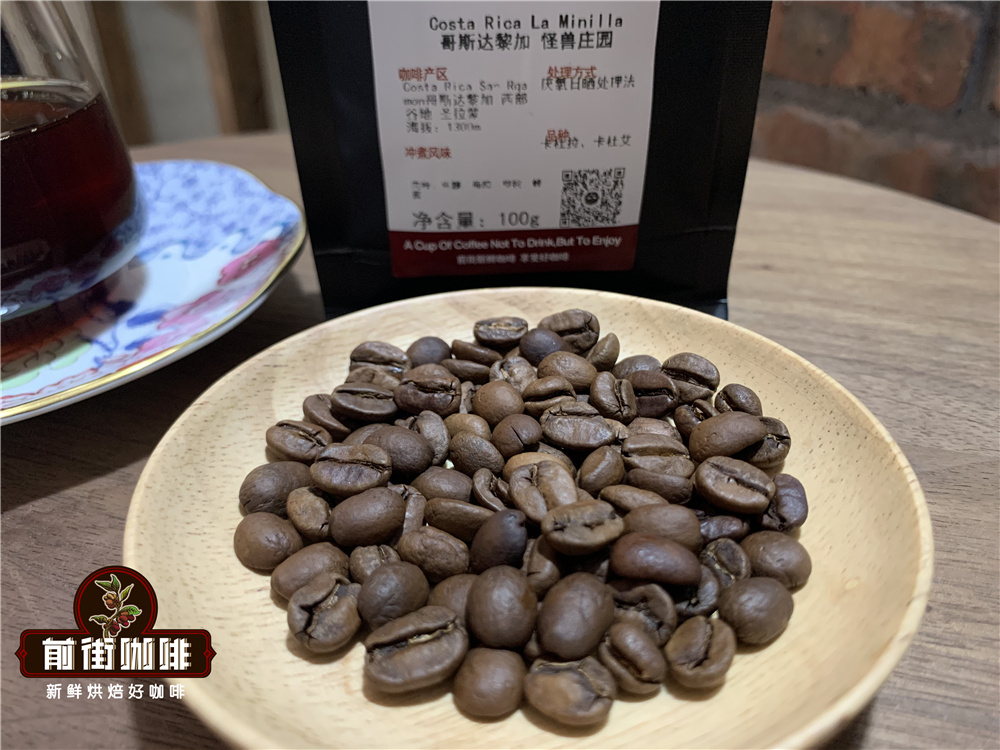
For enthusiasts seeking a specialty coffee experience, keep these brewing points in mind: use freshly roasted coffee beans (ideally 7–21 days after roasting), and keep the water flow steady while pouring to avoid disrupting the coffee bed. Store in a sealed, light-proof container, ideally in a cool, dry place at 10–20°C. This coffee pairs especially well with lightly baked nut-based desserts, which better complement its bright acidity.


