Panama Geisha vs Jamaica Blue Mountain: Top Coffee Flavor and Price Guide
Introduction: From the auction-lot Geisha coffee of Panama's Hacienda La Esmeralda to the scarce bean varieties of Jamaica's Blue Mountain range, what makes these specialty coffees, often priced in the thousands of yuan, so exceptional? This article analyzes in depth the flavor characteristics, cultivation origins, and market pricing logic of these two top-tier coffees, and offers professional brewing advice to help you understand the quality code behind the high prices.
Veteran coffee enthusiasts often find themselves in a dilemma—after tasting well-known origins such as Colombia's Huila and Hawaii's Kona, they always want to challenge a higher level of taste experience. When discussing the "world's best coffee," Panama Geisha coffee and Jamaica Blue Mountain coffee are always at the center of the debate. These two top-tier bean varieties, with an average price of over a thousand yuan, not only have distinctive flavor profiles but their cultivation history and market positioning also reflect the unique ecosystem of the specialty coffee industry.
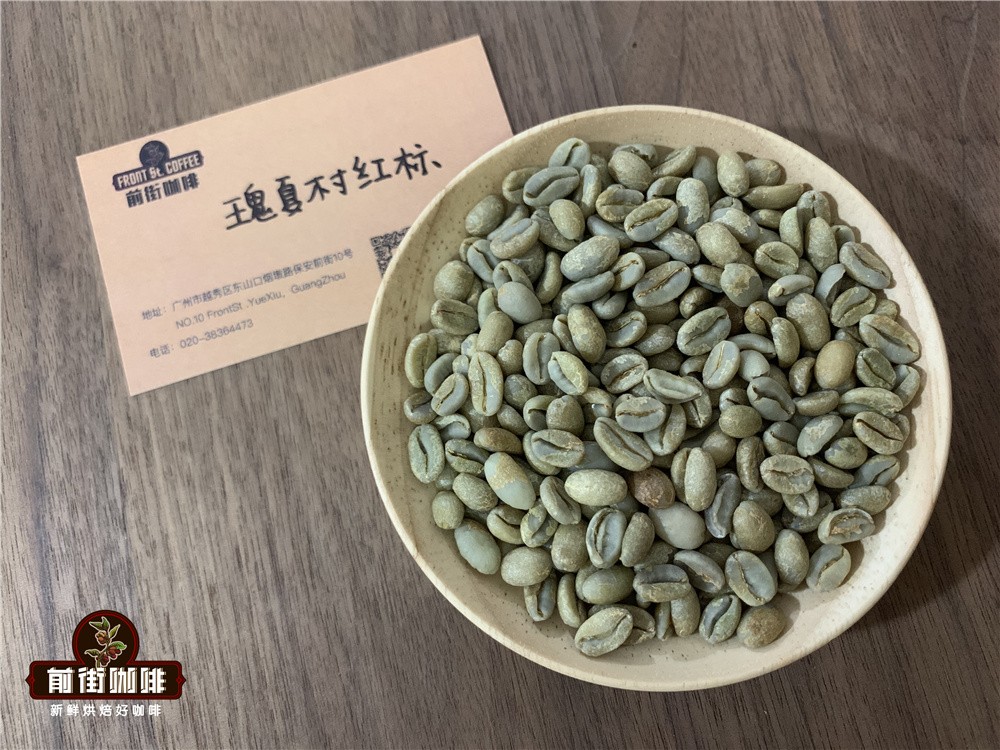
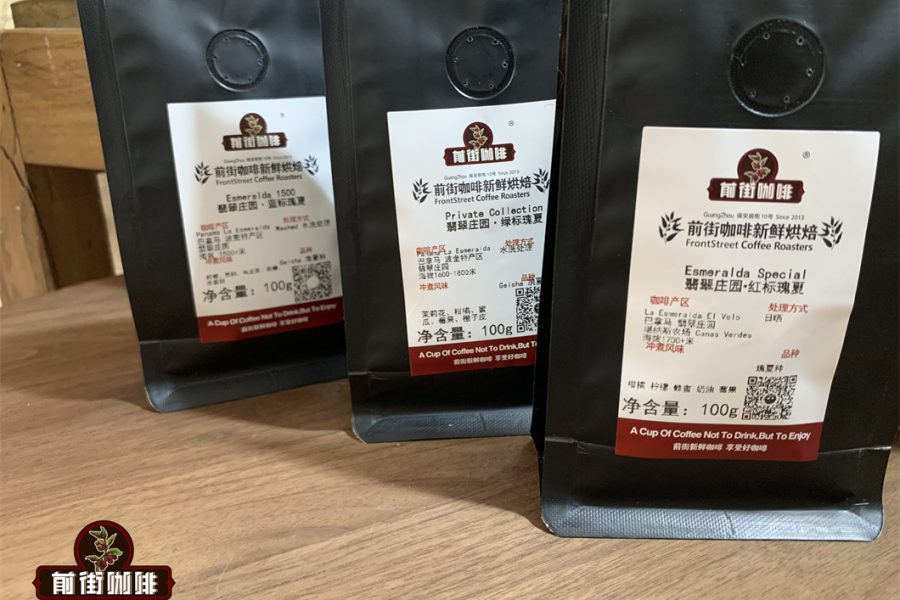
The legend of Geisha coffee began in Gesha village in the Jimma region of southern Ethiopia. In the 1930s it was introduced to Costa Rica via Tanzania, and ultimately found its ideal growing environment in the Boquete region of Panama. Hacienda La Esmeralda first harvested this variety separately in 1996, and through shade cultivation and meticulous washed processing, unexpectedly discovered that it presented unprecedented jasmine aromas and tropical fruit notes. The ripe fruit carries a fresh tea-like sensation reminiscent of Earl Grey, accompanied by bright acidity layers of passion fruit and citrus. This flavor expression, which overturned traditional coffee perceptions, made it famous overnight at the 2004 BOP (Best of Panama) competition.
This variety has natural resistance to coffee leaf rust. Its tall plant structure requires special harvesting methods, and the mineral-rich volcanic soil of Boquete together created a record auction price that once exceeded $600 per pound. It is worth noting that Geisha coffee circulating through regular channels is mostly secondary lots, priced at about $49.99 per pound (approximately 360 yuan), still significantly higher than ordinary commercial beans, but able to retain the core characteristics of its signature floral and fruit aromas.
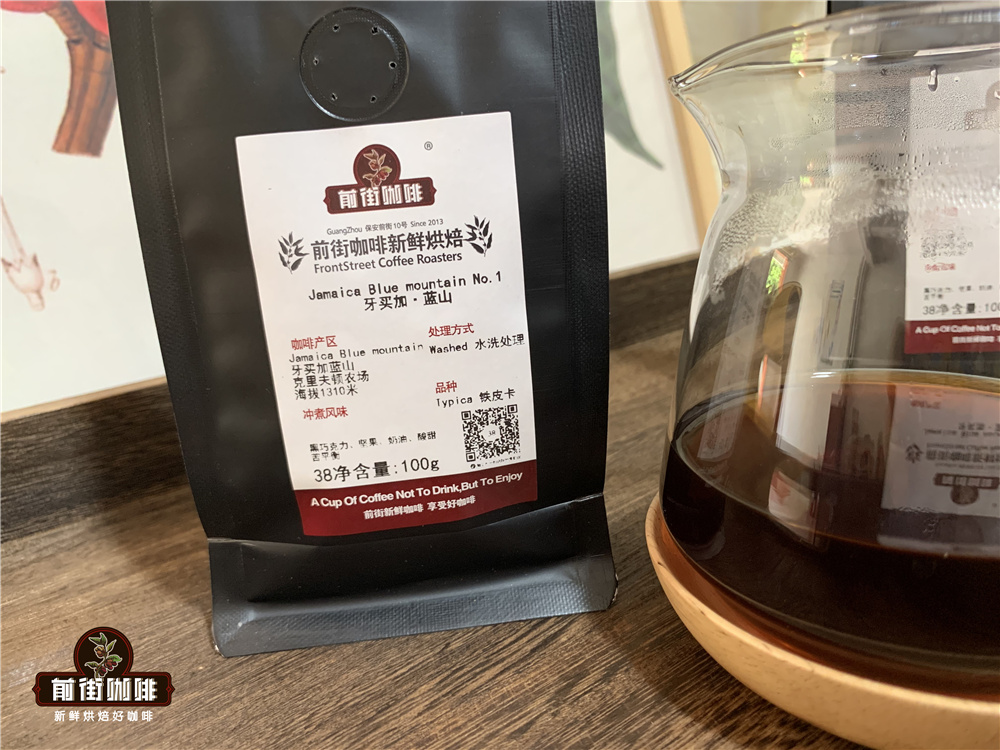
Compared with the dramatic flavors of Geisha coffee, Jamaica Blue Mountain coffee embodies another kind of ultimate balance. The Typica variety, grown at altitudes of 1,200–1,700 meters in the Blue Mountain range, benefits from the stable maritime climate of the Caribbean and the temperature difference between day and night, producing a medium body with balanced acidity and bitterness and a nutty-chocolate base. Authentic Blue Mountain green beans must be certified by the Jamaica Coffee Industry Board (CIB). The average domestic market price of roasted beans is about 1,200 yuan per pound; calculated on the basis of a standard 7-gram dose per cup, the raw material cost alone already reaches 20–24 yuan.
Professional baristas recommend pour-over brewing with water at 90–92°C and a 1:15 coffee-to-water ratio, with a grind size similar to fine granulated sugar (70–75% passing a Chinese standard No. 20 sieve). The unique value of Blue Mountain coffee lies not only in the flavor itself but also in the full quality-control system from cultivation to roasting—every export lot must be labeled with the estate number and harvest year, and this traceability underpins its high-end market positioning.
Comparing the differences between the two: Geisha coffee is known for its floral and fruit aromas and extremely low yield (global annual supply is less than 200 tons), making it suitable for consumers seeking novel taste experiences; Blue Mountain coffee represents the pinnacle of traditional cultivation techniques, and its stable, full-bodied taste is more in line with classic coffee aesthetics. For ordinary consumers, only by purchasing certified graded products through legitimate channels (such as Blue Mountain No. 1 or Esmeralda auction lots) can they ensure a quality experience commensurate with the price.