4 Tips for Less Bitter Pour-Over Coffee and the Truth About Dark Roast Flavor
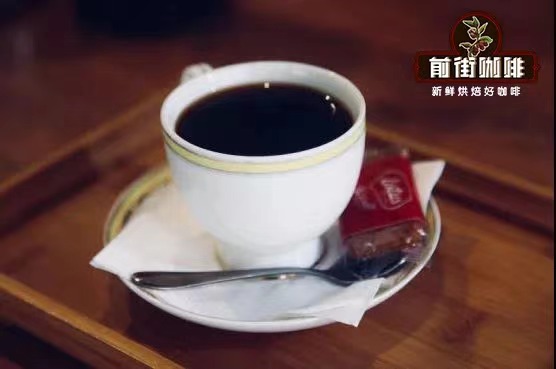
Introduction: Many coffee lovers are often troubled by bitterness and mistakenly assume that dark roast beans must be bitter and astringent. This article reveals the four core factors that affect coffee bitterness—from extraction time and water temperature control to grind size and roast level selection—and provides actionable adjustment plans. By understanding these technical details, you can not only avoid bitterness defects but also describe coffee's flavor layers more accurately and improve your brewing skills.
Coffee flavor descriptions are rich and varied: bright acidity, full body, caramel-like sweetness, or unpleasant bitterness. Mastering these terms can help you express your preferences precisely, especially in scenarios requiring fine control such as pour-over coffee. When bitterness appears in a cup of coffee, it often stems from technical deviations during extraction—over-extraction amplifies unpleasant bitter and muddy flavors, while moderate extraction is what reveals coffee's layering.
People unfamiliar with coffee often think "all coffee is bitter" because of bad experiences, but in fact this is usually caused by improper extraction parameters. From **extraction time** to **water temperature control**, every step affects the final flavor. Below are the four common causes of bitter coffee and their corresponding solutions; it is recommended to adjust only one variable at a time so you can pinpoint the problem precisely.
Image placeholder: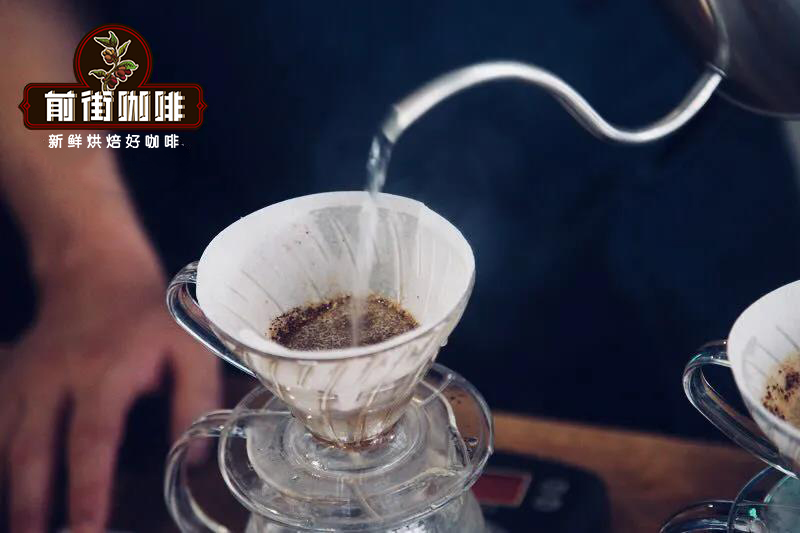
The primary cause is **excessive extraction time**. When coffee grounds contact hot water for longer than the recommended duration (usually 2-4 minutes for pour-over), overly released woody fibers and impurities produce a dry, astringent bitterness. It is recommended to use a timer for strict control; for example, when brewing with a V60 dripper, waiting 2 minutes 30 seconds after pouring is complete for the drip to finish is ideal.
**Water temperature too high** is another major culprit. Although high temperatures accelerate the dissolution of flavor compounds, exceeding 93-96°C (205°F±2) causes excessive release of bitter substances. Testing has found that letting boiled water sit for 30 seconds before use (at which point the temperature is about 92-94°C) ensures sufficient extraction while avoiding bitterness. Be careful not to use water that is too cold, otherwise it will lead to under-extraction and a flat taste.
Grind size directly affects the contact area between water and grounds. Extra-fine grinding (such as the flour-like consistency used for espresso) will over-extract pour-over coffee—the gaps between fine particles are too small, prolonging the hot water's residence time. For regular pour-over, medium-fine grinding (sugar-granule size) is recommended, while dark roast beans can be ground 1-2 settings coarser to slow the flow rate. Different grinders vary greatly in their settings, so a TDS meter is needed to calibrate the optimal parameters.
The effect of roast level on bitterness is often misunderstood. Dark roast beans are not necessarily bitter, but over-roasting can cause burnt flavors to mask quality flavors. For example, Ethiopia's Yirgacheffe should present citrus notes; if roasted to the dense second crack stage, it will lose its floral and fruity aromas. When judging roast level, observe the oil on the bean surface: light to medium roasts usually have no sheen, while dark roast beans clearly show oil on the surface (dark roast beans stored for more than two weeks are more likely to show this).
Professional advice: buy freshly roasted coffee beans (roasted within 14 days) and record the parameter combination for each brew (water temperature/coffee-to-water ratio/time). When adjusting a single variable, keep the other conditions unchanged—for example, when studying the effect of grind size, consistently use 93°C water temperature + 1:15 coffee-to-water ratio. Through systematic parameter optimization, you will find the golden balance point that suits your personal taste.


