A Complete Guide to Costa Rica's Eight Coffee Regions: Flavor and Growing
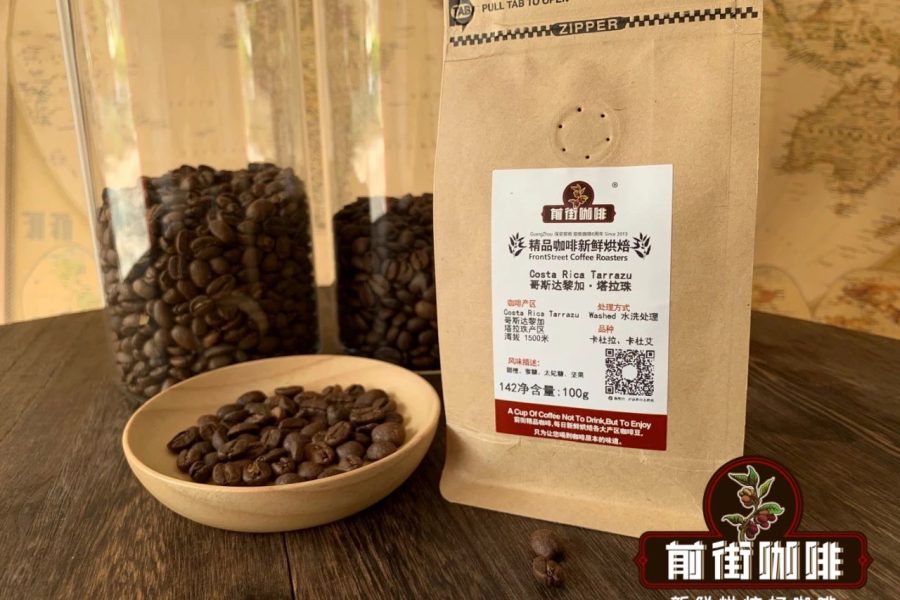
Introduction: Costa Rican coffee is famed worldwide for its unique terroir and consistent quality, and its eight regions each have distinct character. This article analyzes in depth the links between altitude, climate and flavor in core regions such as Central Valley and Tarrazú, reveals the scientific reasons behind Tarrazú coffee's higher caffeine content, and includes a flavor wheel reference chart to help you choose your ideal beans.
In Central America's specialty coffee landscape, Costa Rica has established an outstanding position with more than 240 years of coffee-growing history. This narrow country sandwiched between Nicaragua and Panama, thanks to its volcanic soils, stable rainfall and clear altitude stratification, nurtures what coffee lovers worldwide recognize as a "golden growing belt." Its eight regions are like gears in a precision instrument, together creating a complete spectrum from bright citrus notes to rich chocolate flavors.
The geographic code of the core regions: Apart from a few remote areas, the country's main coffee belt can be linked by an imaginary arc—this growing belt surrounding the capital, San José, spans altitudes of 1,200-2,000 meters, with average annual temperatures stable in the 18-26°C range. Among them, the Central Valley, as the birthplace of the industry, combines suburban convenience with diverse microclimates, earning it the status of a "coffee museum."
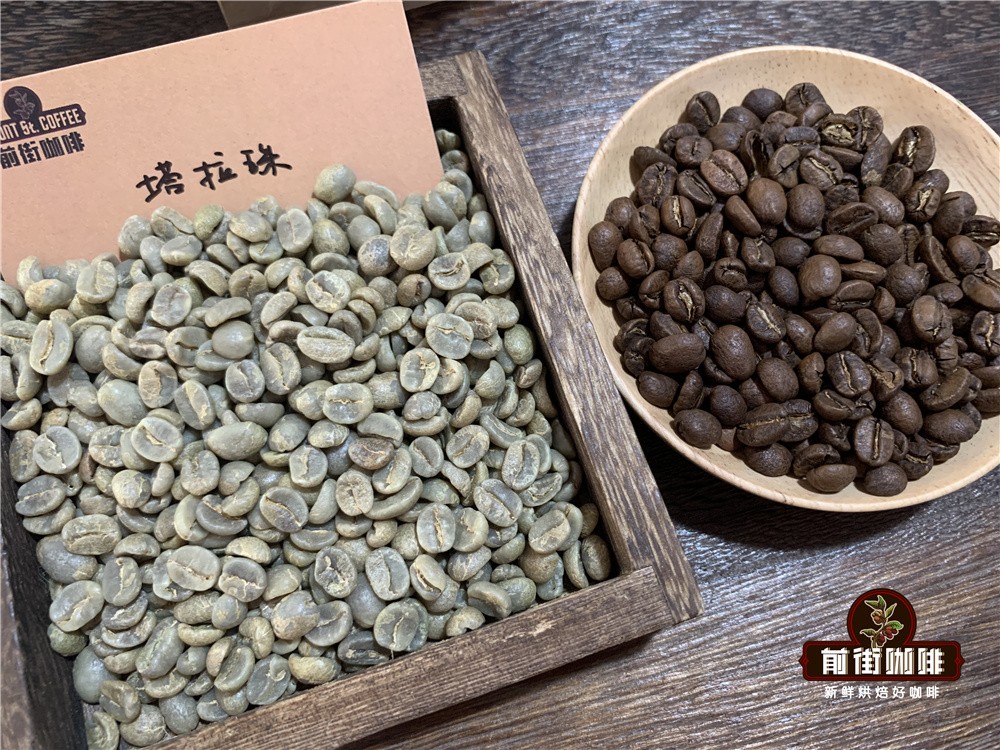
Decoding the flavor map:
• Tarrazú region (visible around the )—sheltered by the foothills of the Andes range, produces beans with a rare deep blue-green color. Its caffeine content of 1.2-1.4% is higher than ordinary Arabica beans (usually 1.1-1.3%), which is related to the accumulation of more secondary metabolites during slow ripening at high altitude. Typical flavors include blackcurrant, caramel and a distinctive sandalwood finish.
• Brunca region—influenced by Pacific monsoons, forms a unique microclimate with daily temperature swings of more than 10°C, fostering a delicate balance between citric acidity and honey sweetness.
• Guanacaste—though in an arid zone, its basalt soils give the beans a special minerality, revealing layers reminiscent of smoked nuts after roasting.
Industry evolution through history: The completion of the Atlantic Railway in the 1890s not only connected regions such as Turrialba to the national logistics network, but also established the tradition of the "quality belt along the railway." Modern growers continue this advantage, using shade cultivation on slopes covered with volcanic ash, keeping yields at 50-60 bags per hectare—within the international specialty standard range.
Practical guide for consumers:
1. Matching flavor preferences: those who prefer fruity acidity can choose Tres Ríos (altitude 1,400-1,600 meters); those who love a rich mouthfeel are advised to try the Caturra variety from the Orosi region
2. Brewing parameter suggestions: for Tarrazú beans, use water at 92-94°C with a medium-fine grind, and extend the bloom time to 45 seconds to fully release the aromatic molecules
3. Note for beginners: the low-acidity character of the Guanacaste region makes it better suited for cold brew or French press coffee
From the diverse experiments of the Central Valley to the single-origin benchmark of Brunca, Costa Rican coffee farmers continue to improve quality stability while maintaining traditional flavors through innovations such as shade-tree combinations and precise harvest timing control. These secrets hidden in latitude and altitude are the ultimate code behind the unique flavor of every cup of Costa Rican coffee.


