Jamaica Blue Mountain Coffee: Certification Marks and Authentic Price Guide
Introduction: Have you ever wondered why a single cup of genuine Blue Mountain coffee often costs over a thousand yuan? The common "Blue Mountain flavor" products on the market are actually not from Jamaica's Blue Mountain region. This article explains the certification standards, growing environment, and flavor characteristics of authentic Blue Mountain coffee, teaches you to tell real from fake, and reveals the reasons behind its high price.
Walk into a supermarket or convenience store, and the refrigerated cases and shelves often hold various coffee products labeled "Blue Mountain," from cans to stick packs, affordable yet ordinary in flavor. Many people wonder why, in their elders' memory, a cup of real Blue Mountain coffee in a restaurant sold for as much as two thousand yuan. In fact, most of the "Blue Mountain coffee" you know is just ordinary coffee beans with a similar flavor, entirely different from the authentic Blue Mountain coffee produced in Jamaica's Blue Mountain region.
Just as only sparkling wine made in France's Champagne region from specific grape varieties using legally prescribed methods can be called Champagne, worldwide only coffee grown in designated elevation zones of Jamaica's Blue Mountains and strictly certified by the Jamaica Agricultural Commodities Regulatory Authority (JACRA) is eligible to bear the name "Blue Mountain Coffee." Annual output of this coffee is less than a quarter of Jamaica's total coffee production, and this scarcity determines its precious status.
Why is Jamaican Blue Mountain coffee's flavor so outstanding? It is inseparable from its unique natural environment. Jamaica lies in the Caribbean and has a tropical rainforest climate. The Blue Mountain region is in the northeast of the island; the windward slopes receive average annual rainfall of 1,500 to 1,800 mm, and the year-round average temperature is about 27°C. The volcanic soil here is rich in minerals, and some areas contain a high proportion of seabed organic matter, providing ideal growing conditions for coffee trees. The coffee-growing belt is concentrated between 800 and 1,200 meters above sea level, with steep slopes and excellent drainage; combined with day-night temperature differences that often exceed 8°C, the coffee cherries expand and contract alternately between day and night, gradually accumulating plump, dense flavor compounds. Together these factors create Blue Mountain coffee's signature mild, smooth mouthfeel, rich sweetness and aromatic layers, and refined flavor with balanced acidity and sweetness.
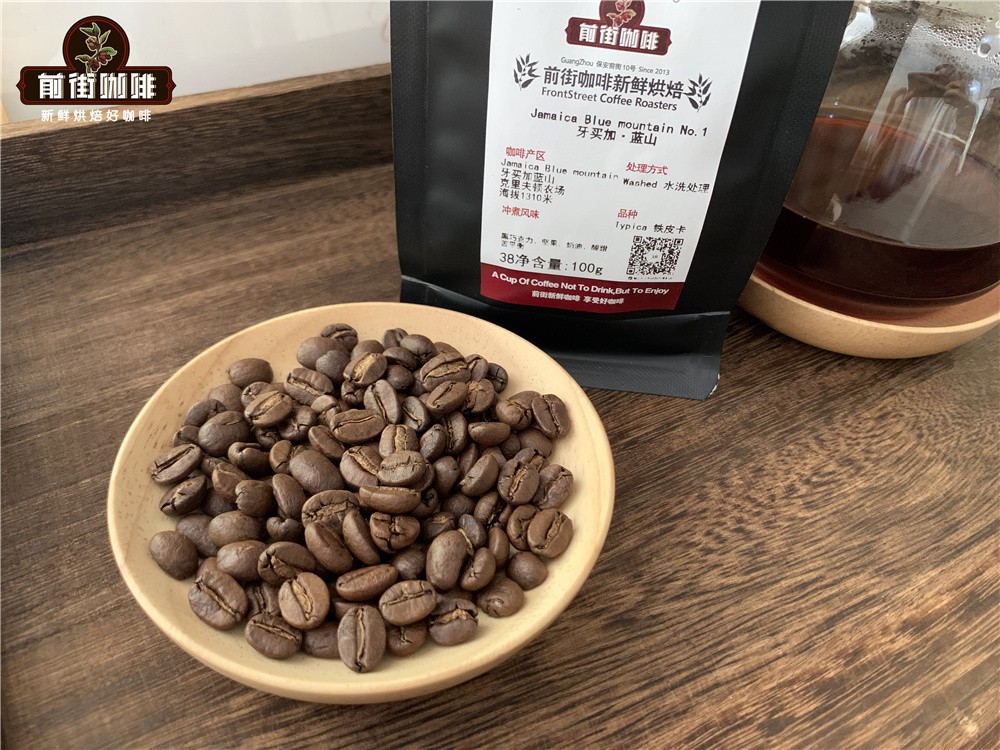
Interestingly, about ninety percent of Jamaican Blue Mountain coffee production is exported to Japan. This history dates back to the early 18th century: in 1728, British colonists introduced coffee seedlings from the French island of Martinique to Jamaica's Saint Andrew, Saint Thomas, and Saint Mary parishes, and thanks to superior natural conditions the coffee industry grew rapidly. However, after Britain abolished slavery in the 19th century, coffee plantations that had relied on enslaved labor faced labor shortages and land degradation, causing Blue Mountain coffee quality to decline for a time. It was not until the 1980s that Japanese companies increased investment, became deeply involved in Jamaica's cultivation management, post-harvest processing, and quality control, and signed long-term contracts obtaining priority purchasing rights. Today, the vast majority of Blue Mountain coffee beans go to the Japanese market, with only about ten percent distributed to the rest of the world, and this supply-demand imbalance further pushes up its international market price. Notably, in markets outside Japan, many coffees labeled "Blue Mountain flavor" are in fact not from Jamaica but substitutes from other regions.
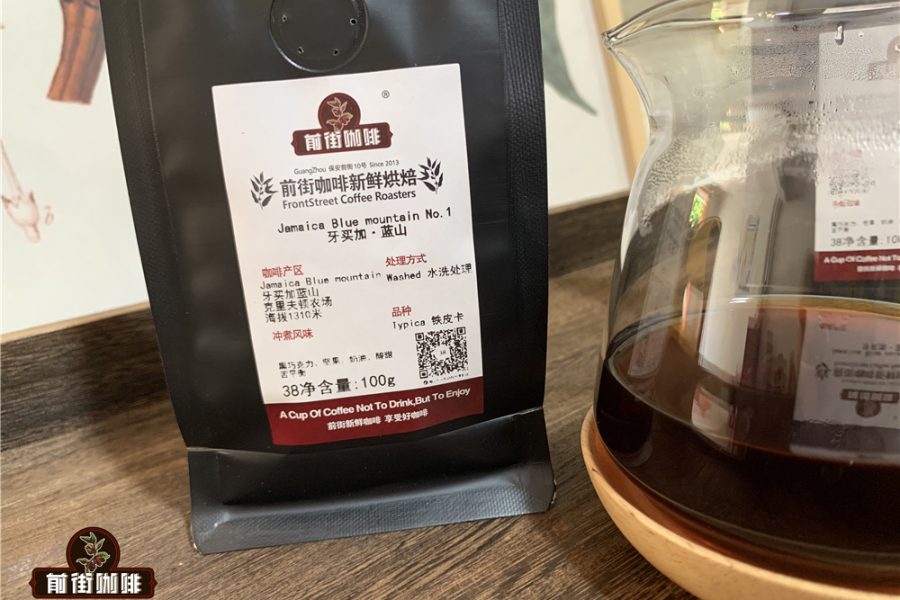
So how do you identify genuine Blue Mountain coffee? The key is the certification mark. Authentic Jamaican Blue Mountain coffee packaging must carry the official certification mark issued by the Jamaica Agricultural Commodities Regulatory Authority, the authoritative proof of quality and origin. Consumers should also note the origin information—real Blue Mountain coffee comes only from specific elevation zones in Jamaica's Blue Mountains (usually 800-1,200 meters), not from Jamaica in general. As for price, due to scarce output and exceptional quality, authentic Blue Mountain coffee typically sells at a high price in specialty coffee shops or premium channels, with a single cup costing several hundred yuan or even over a thousand, depending on roast level, brewing method, and the shop's positioning.
If you want to try authentic Blue Mountain coffee, it is advisable to buy products bearing official certification through legitimate import channels, and to prioritize freshly roasted beans. For brewing, pour-over or siphon and other devices that can showcase delicate flavors are more suitable; keep the water temperature at 90-93°C and use a coffee-to-water ratio of about 1:15 to 1:16 to fully release its gentle sweetness and complex layers.