Jamaica Blue Mountain Coffee Grading: What Makes Barrel-Packed Blue Mountain No. 1 Special?
Introduction: Jamaica Blue Mountain coffee is hailed as the king of the coffee world, and among it Blue Mountain No. 1 is especially revered. But not every coffee grown in the Blue Mountain range can be called Blue Mountain coffee; its origin, grade and packaging all follow strict standards. This article explains in detail the grading system of Blue Mountain coffee, the reasons for barrel packaging, and the flavor characteristics and brewing suggestions of Blue Mountain No. 1, to help coffee lovers gain a deeper understanding of this top-tier coffee.
Jamaica Blue Mountain coffee is widely recognized as the finest of coffees, and the highest grade, Blue Mountain No. 1, is often sought after at high prices. Even today, with emerging specialty coffees such as Geisha in vogue, Blue Mountain coffee still ranks firmly among the top coffees thanks to its irreplaceable flavor and quality.
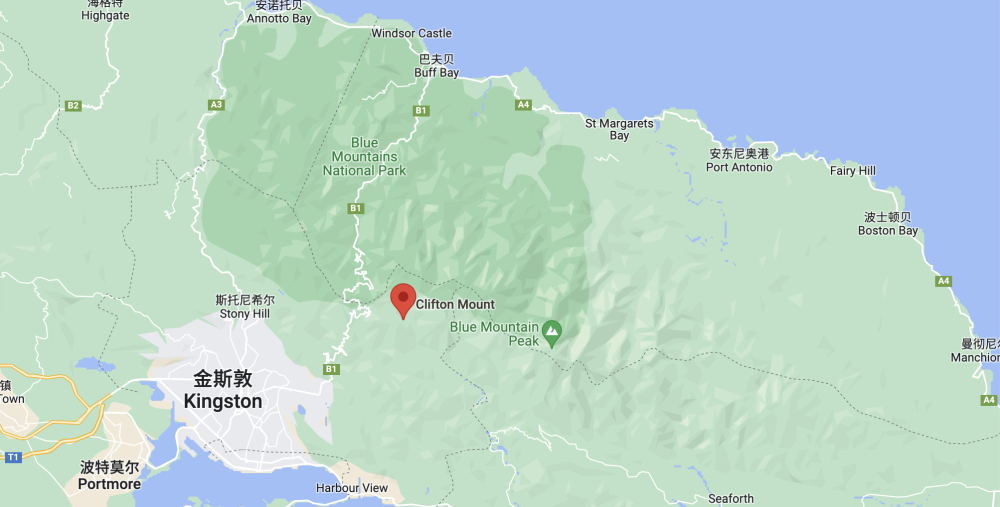
So what kind of coffee beans can be called true Blue Mountain coffee? According to the regulations of the Jamaica Coffee Industry Board (CIB), only coffee beans grown in the core area of the Blue Mountain range—within a range of about 6,000 hectares—are eligible to use the name "Blue Mountain coffee." This area lies at an elevation of roughly 910 to 1,700 meters, which conveniently avoids the nature reserve above 1,700 meters while also being higher than ordinary coffee-growing elevations, providing ideal growing conditions for the coffee.
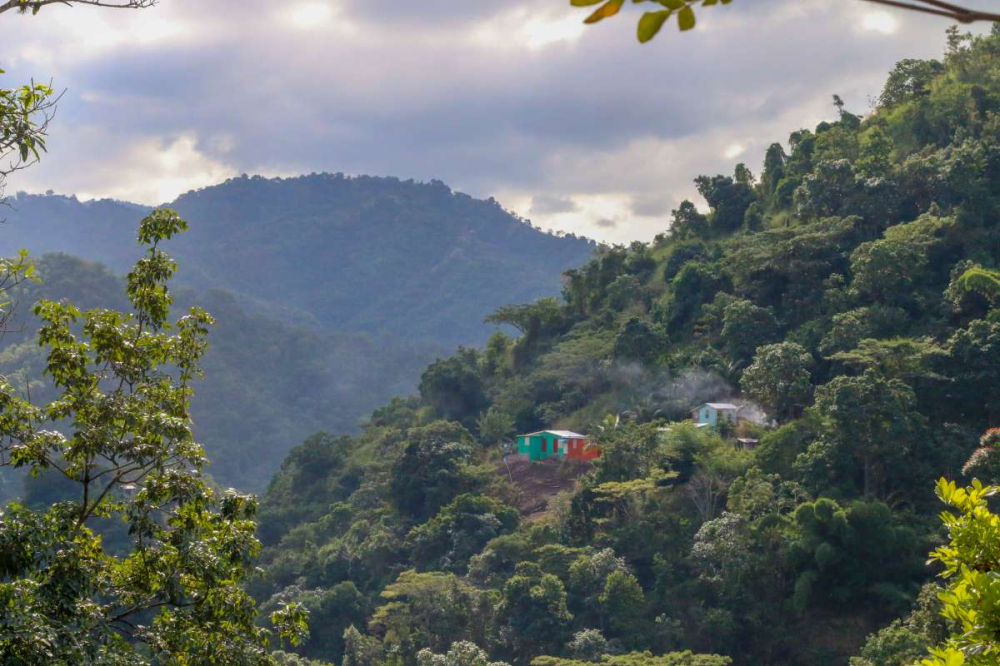
It is worth noting that although the Blue Mountain range as a whole rises to 2,256 meters, not the entire area is suitable for growing Blue Mountain coffee. Only coffee produced within the specific area mentioned above can be recognized as authentic Blue Mountain coffee; the rest can only be classified as Jamaica High Mountain coffee or ordinary Jamaican coffee.
Blue Mountain coffee is divided into four grades according to quality, from highest to lowest: No. 1, No. 2, No. 3, and PB (peaberry). Among them, Blue Mountain No. 1 (No. 1) is the highest grade, requiring bean size to reach screen size 17 or above, a defect rate below 3%, and a moisture content of around 13%. What the market usually calls "Blue Mountain coffee" generally refers to this grade, Blue Mountain No. 1; the other grades rarely enter the consumer market, and are especially uncommon in Asia.
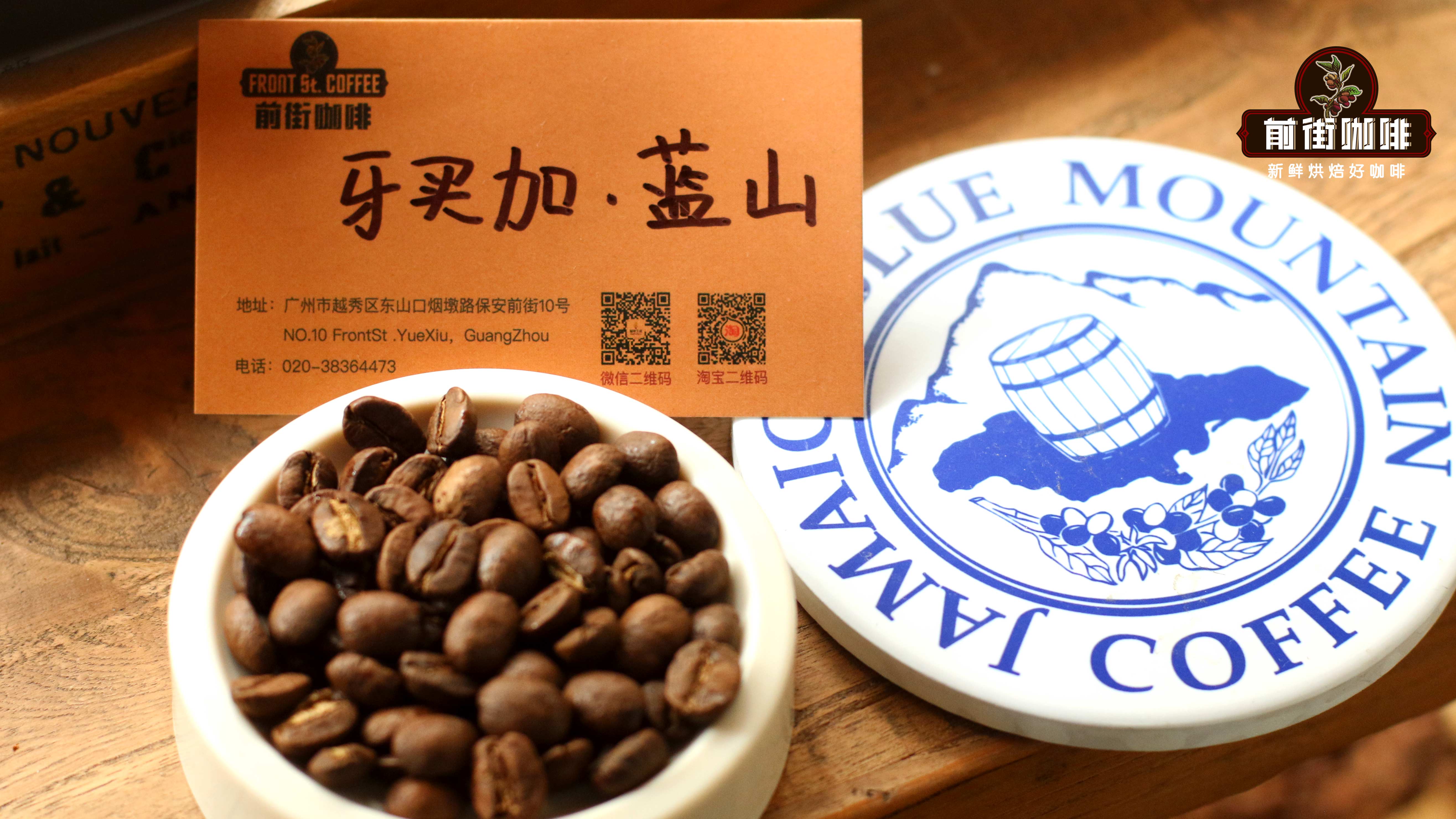
When speaking of Blue Mountain coffee, one cannot fail to mention its special packaging—the wooden barrel. Unlike the common burlap sacks or high-barrier aluminum foil bags, Blue Mountain coffee still insists on traditional wooden barrel packaging. These barrels are specially treated to balance the dry yet moderately moist environment the green beans need, and also effectively prevent compression and the intrusion of odors, ensuring the beans retain excellent quality after long-distance transport.
Barrels bearing the official certification stamp not only offer strong protection; their complex production and packaging process also reflects the premium and prestigious nature of Blue Mountain coffee. Many coffee lovers even open the barrel with as much care as an important ritual, which was especially common in the Taiwan market in earlier years.
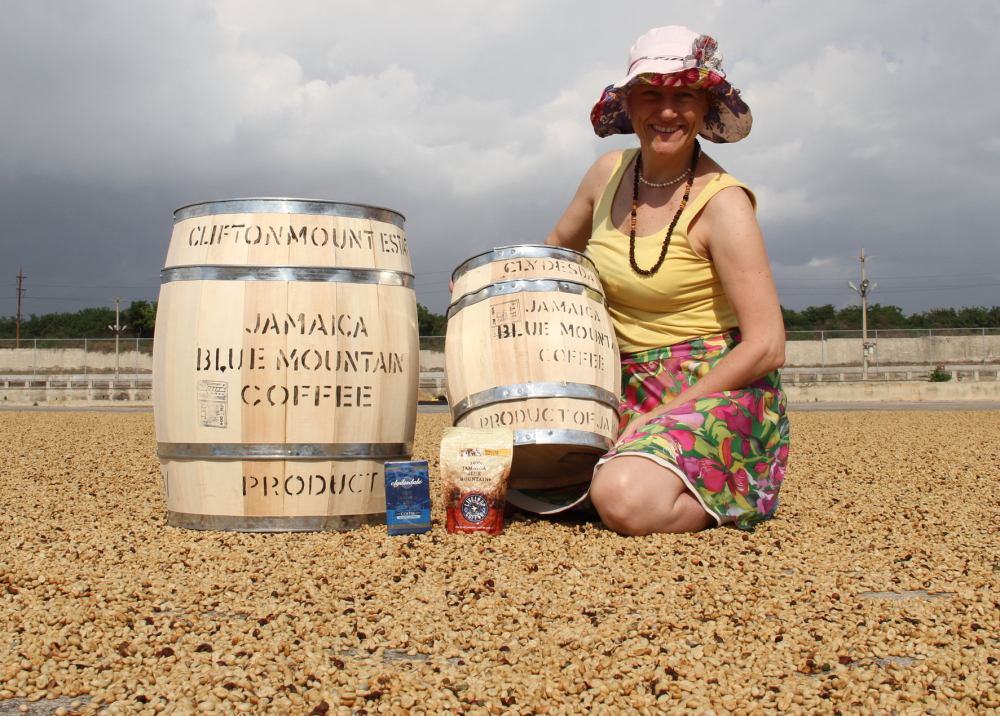
Blue Mountain coffee barrels generally come in three sizes: small 15 kg, medium 30 kg, and large 70 kg. Today, imported Blue Mountain No. 1 is usually shipped in its original barrel, much of it from long-established Jamaican estates such as Clifton Farm, using the classic washed process. Modern barrels usually also contain a green transparent sealed bag inside, further safeguarding the freshness of the beans.
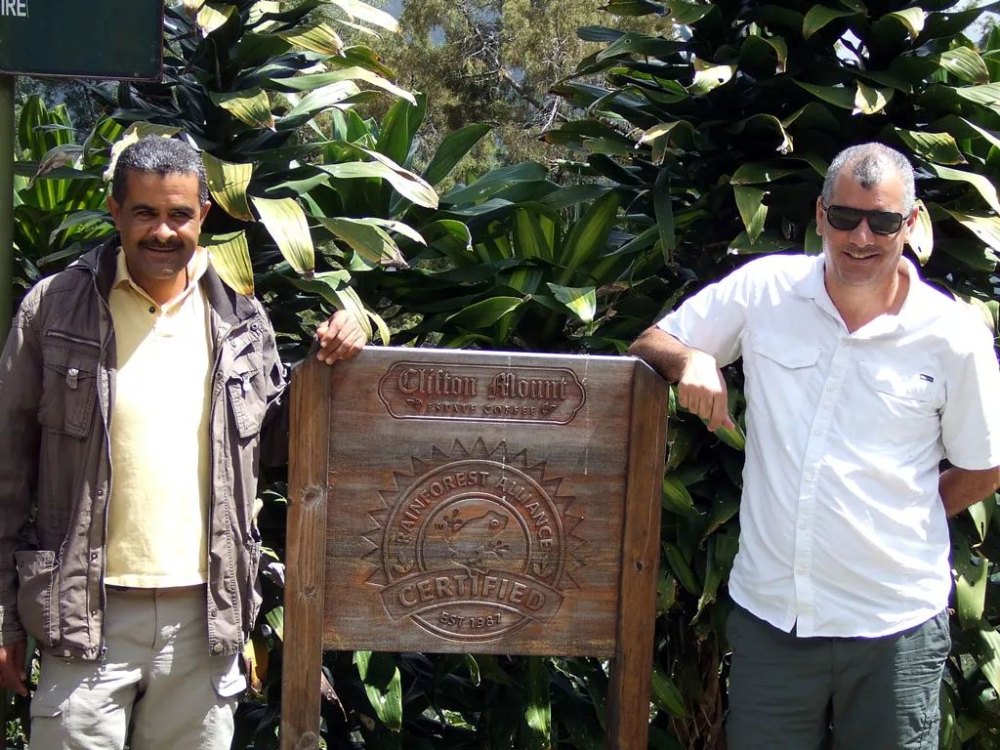
Clifton Farm is one of the oldest coffee plantations in Jamaica, having begun growing coffee as early as the mid-18th century, and by 1900 it had become the largest coffee estate in all of Jamaica. After the Sharp family took over in 1978, the estate introduced modern equipment and advanced processing techniques and established BMCP, Jamaica's largest coffee processing plant, continually improving coffee quality.
The estate upholds environmental principles, having built a solar power system and wastewater treatment facilities, and also ferments coffee cherry skins into organic fertilizer. In processing, Clifton Farm consistently adheres to the traditional washed method: after picking, the coffee cherries are floated and sorted to remove the pulp, fermented for 12 to 18 hours, then the mucilage is removed using water flow and friction; after washing, the beans are dried until the moisture content reaches 12%-14%, and finally hand-sorted, packed and stored.
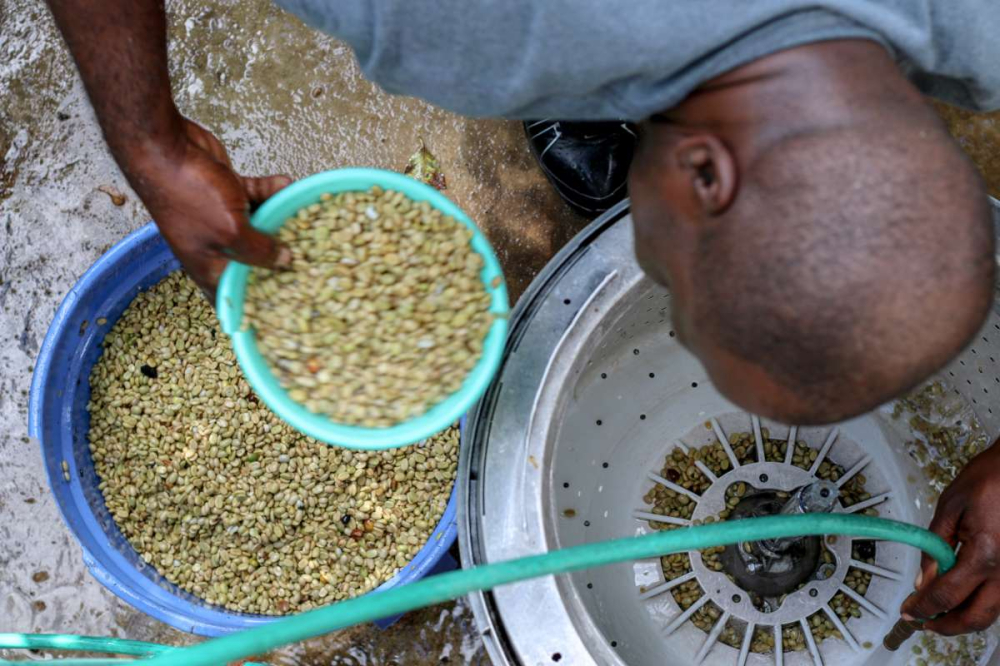
This rigorous washed processing gives Blue Mountain coffee a clean and pure mouthfeel, with balanced acidity, sweetness and bitterness and a rich aroma; it is considered the processing method that best represents the standard of Jamaican specialty coffee.
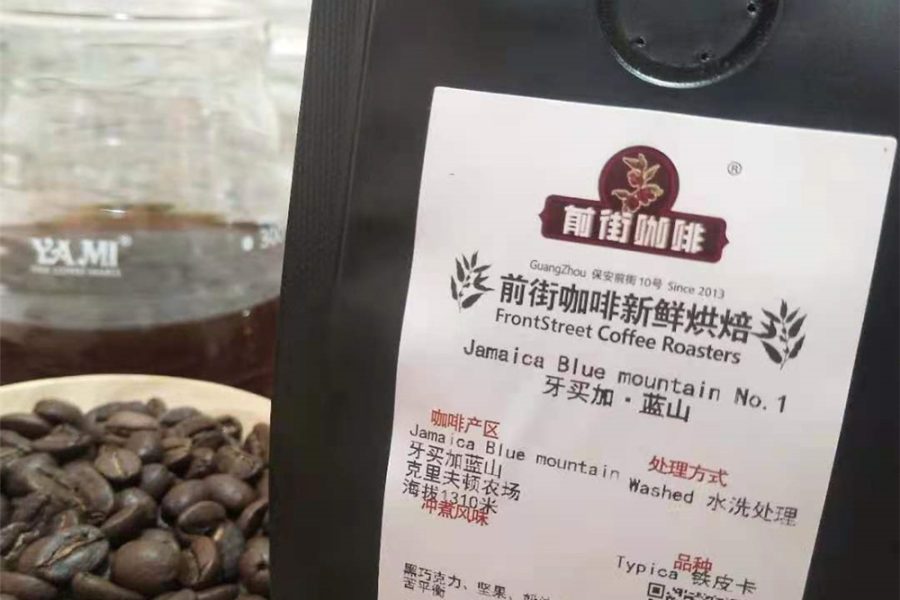
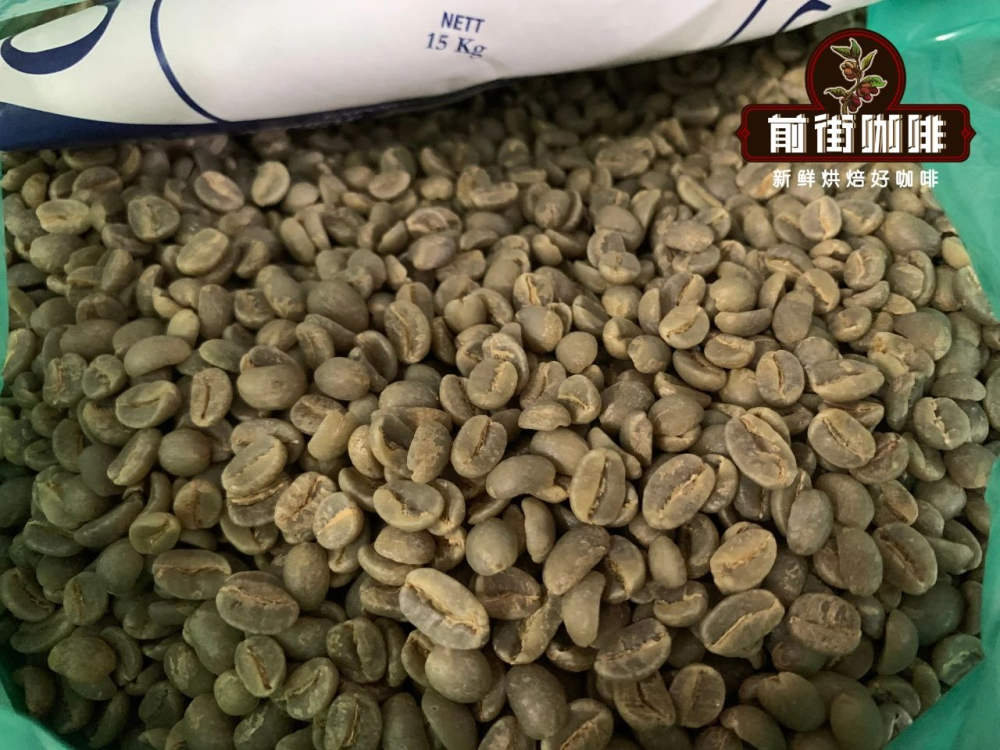
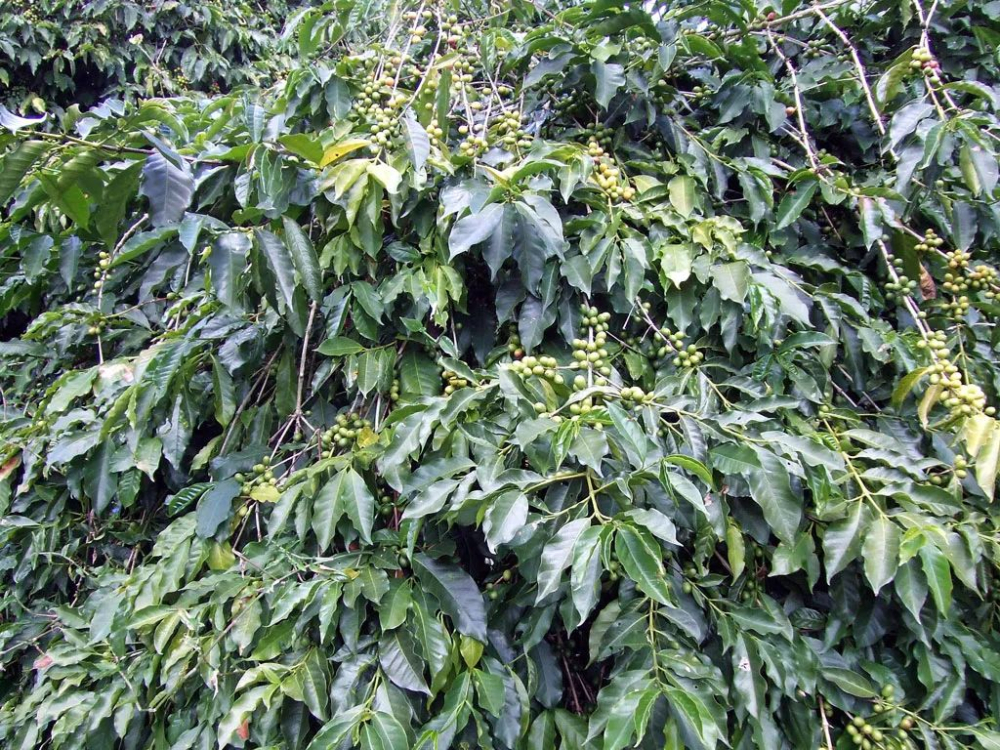
The coffee variety used for Blue Mountain No. 1 is Typica, an old and high-quality Arabica variety with distinct varietal characteristics. Because it is washed, the green beans are pale green in color, and combined with strict sorting standards, Blue Mountain No. 1 beans appear especially plump and large, highly recognizable both visually and by touch.
In terms of flavor, Blue Mountain No. 1 is known for its perfect balance of acidity, sweetness and bitterness, with a full, smooth mouthfeel; it is the ultimate pursuit of many seasoned coffee lovers. For brewing, pour-over is recommended to fully bring out its layered flavor characteristics.
For the best experience, use freshly roasted beans, ideally within 5 days of roasting, when the flavor is most vivid. Beans usually arrive at their peak 4-7 day resting period, when they perform best.
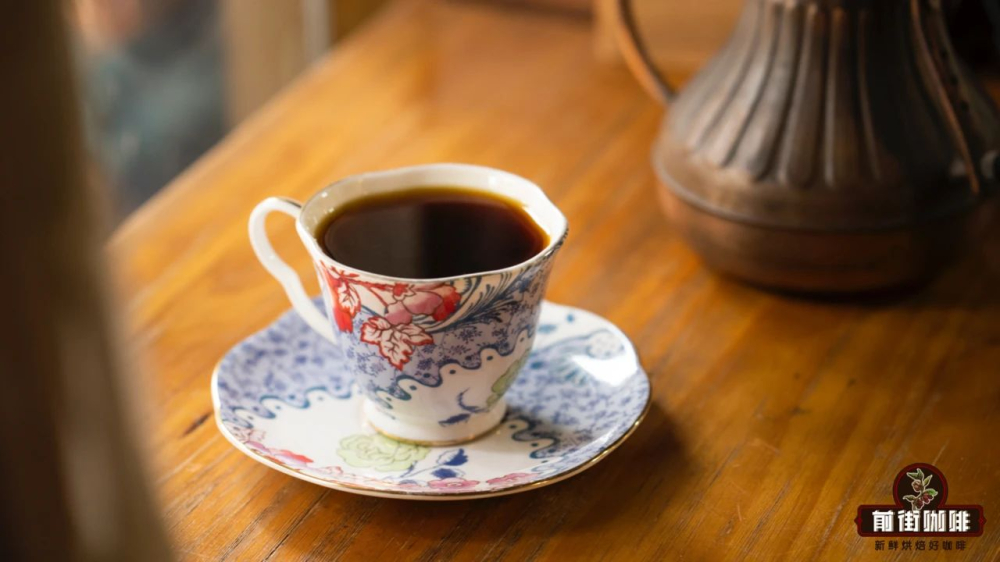
Recommended brewing parameters:
- Dripper: KONO
- Dose: 15 g
- Grind: medium-coarse, about 75% passing a No. 20 sieve
- Coffee-to-water ratio: 1:15
- Water temperature: 88°C
- Brewing method: three-stage extraction, total time about 2 minutes
The specific steps: in the first stage, pour 30 ml of water and bloom for 30 seconds; in the second stage, pour in circles up to 100 ml, and when the liquid level drops close to the coffee bed, continue pouring; in the third stage, pour 95 ml in circles, and finish the extraction when dripping is complete.
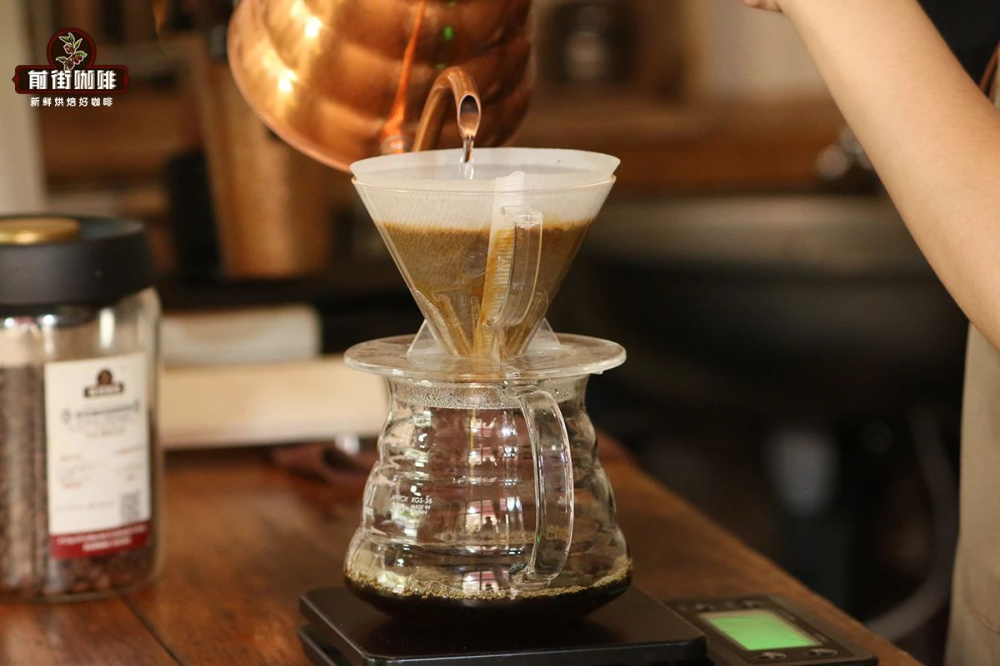
Once ground, Blue Mountain No. 1 releases a rich chocolate and cocoa aroma; during brewing, caramel sweetness is gradually released, and on the palate it shows a full-bodied texture of nuts and dark chocolate, with a harmonious balance of acidity and sweetness, a clean and refreshing mouthfeel, and a long finish—a top-tier experience coffee lovers should not miss.