How to Spot Real Blue Mountain Coffee: 7 Key Details from Origin to Packaging
Introduction: As one of the world's most renowned specialty coffees, Blue Mountain coffee's high price often sparks debate over authenticity. This article examines the core growing regions and strict quality control system of Jamaican Blue Mountain coffee, and, using the certification standards of the Jamaica Coffee Industry Board, shows you how to identify genuine products across seven dimensions, including the trademark seal, packaging information, and product type. Mastering this knowledge can help you avoid the trap of paying a high price for inferior blended coffee.
The unique flavor of Jamaican Blue Mountain coffee comes from its exceptional growing environment. This rare coffee is grown only in the Blue Mountain range north of the capital, Kingston, at an elevation precisely between 914 and 1,676 meters (3,000–5,500 feet). The core growing areas cover four parishes—St. Mary, St. Andrew, Portland, and St. Thomas—where volcanic soil and a mild, humid climate together create its balanced structure of acidity, sweetness, and bitterness.
During cultivation, the coffee trees need ample mist and well-drained slopes. Every bean must pass multiple rounds of sorting: first machine sorting, then hand inspection bean by bean, to ensure the beans are plump, flawless, and uniform in size. Notably, Blue Mountain coffee has extremely high requirements for harvest ripeness and usually only fully red cherries are picked, which is the basic guarantee of its mellow body.
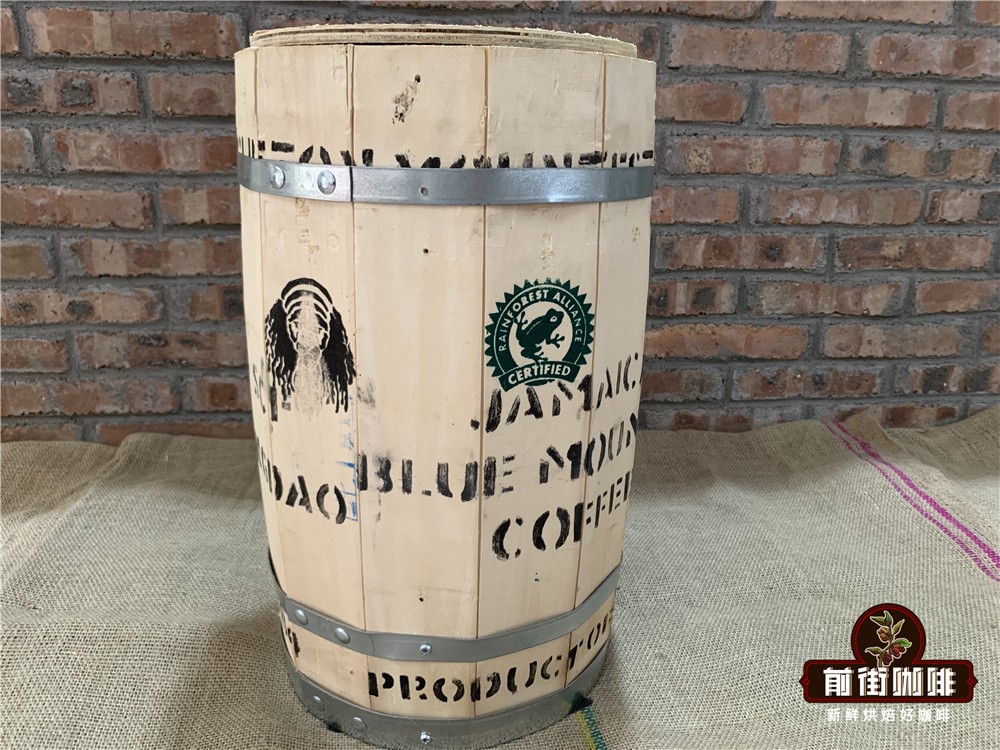
Quality certification is the core basis for distinguishing genuine from fake. All genuine products must have the official endorsement of the Jamaica Coffee Industry Board (JCIB), which not only regulates growing standards but also conducts the final quality verification. Coffee that passes review is stamped on the packaging with an exclusive anti-counterfeit seal, a legally required mark.
The first way to identify counterfeits is to check the trademark seal. Genuine Blue Mountain coffee seals are designed and issued uniformly by the JCIB; consumers should look for the clear words "Jamaica Blue Mountain Coffee" and the board's emblem on the packaging. If the seal is blurry or missing, the product is very likely counterfeit.
Packaging compliance is equally crucial. Jamaican law explicitly requires that Blue Mountain coffee be packed for final sale only in Jamaica; any product labeled as repacked overseas is non-compliant. Authentic imported products state the original Jamaican packing information on both the outer carton and the inner bag, and come with an English-language quality inspection certificate.
Product form also shows clear signs of fraud. Genuine Blue Mountain coffee is sold only as single-origin beans and never in any blend. If a seller claims "Blue Mountain blend" or "Blue Mountain style," it can be judged outright as false advertising. The standard roast is mainly medium; over-dark roasting destroys its delicate layers of citrus and nutty flavor.
Verifying the purchase channel is indispensable. Ask the seller to present the import license issued by the JCIB and the batch inspection report; legitimate suppliers should be able to provide complete traceability information. For online transactions, pay particular attention to the product's country-of-origin certificate number on the customs declaration documents.
Finally, consumers should watch for abnormal prices. The port free-on-board price of authentic Blue Mountain green beans typically exceeds US$80 per pound; after distribution through multiple tiers, a reasonable retail price cannot fall below 1,000 RMB. If you encounter so-called "Blue Mountain" at an excessively low price, you can basically confirm it is low-altitude blended coffee or a completely unrelated substitute."