Asian Coffee Origins: Flavor Profiles and a Yunnan Variety Guide
Introduction: Asian coffee is known for its distinctive character of full body and low acidity. From the Yunnan plateau to Indonesia's volcanic soils, different origins develop distinctive flavor profiles shaped by differences in climate and processing. This article provides an in-depth analysis of the growing environments, mainstream processing techniques, and flavor directions of seven core coffee origins in Asia, and focuses on breaking down the characteristics of the main varieties cultivated in Yunnan, China, to help enthusiasts use origin information to precisely select coffee beans that match their personal taste preferences.
The specialty coffee wave has pushed consumers from simply paying attention to roast level toward exploring origin terroir and processing methods. Although the global coffee belt is dominated by Africa, Asia, and Central and South America, Asian coffee has formed an independent style system through its substantial body and low-acidity characteristics—these beans often display woody notes, spiciness, or herbal aromas, with outstanding body but lower brightness of acidity, making them suitable for people who prefer a full mouthfeel.
Major Asian origins show significant regional differences: Indian coffee uses a unique monsoon processing method, in which beans swell in the humid environment and take on a golden color, accompanied by a special smoky and musty flavor (similar to stale tobacco); its acidity rating is four stars, but its strong flavor characteristics require adaptation; Indonesia commonly uses semi-dry processing, and fruit grown in volcanic soil often brings out a complex aroma of tropical fruit, floral notes, and earth; its acidity is four stars and its body is extremely strong; Vietnam, as the world's second-largest origin, mainly produces Robusta beans, and the combined effects of a temperate climate in the north and a tropical climate in the south produce a thick, viscous coffee with low acidity and high body; its acidity is three stars and it is suitable as a base for espresso blends.
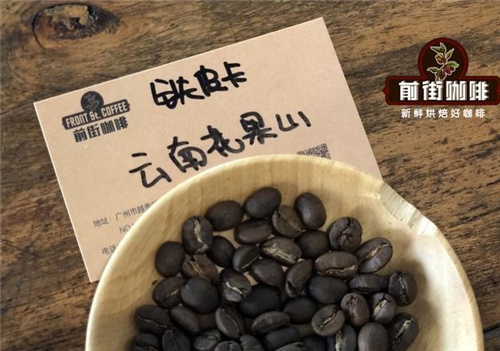
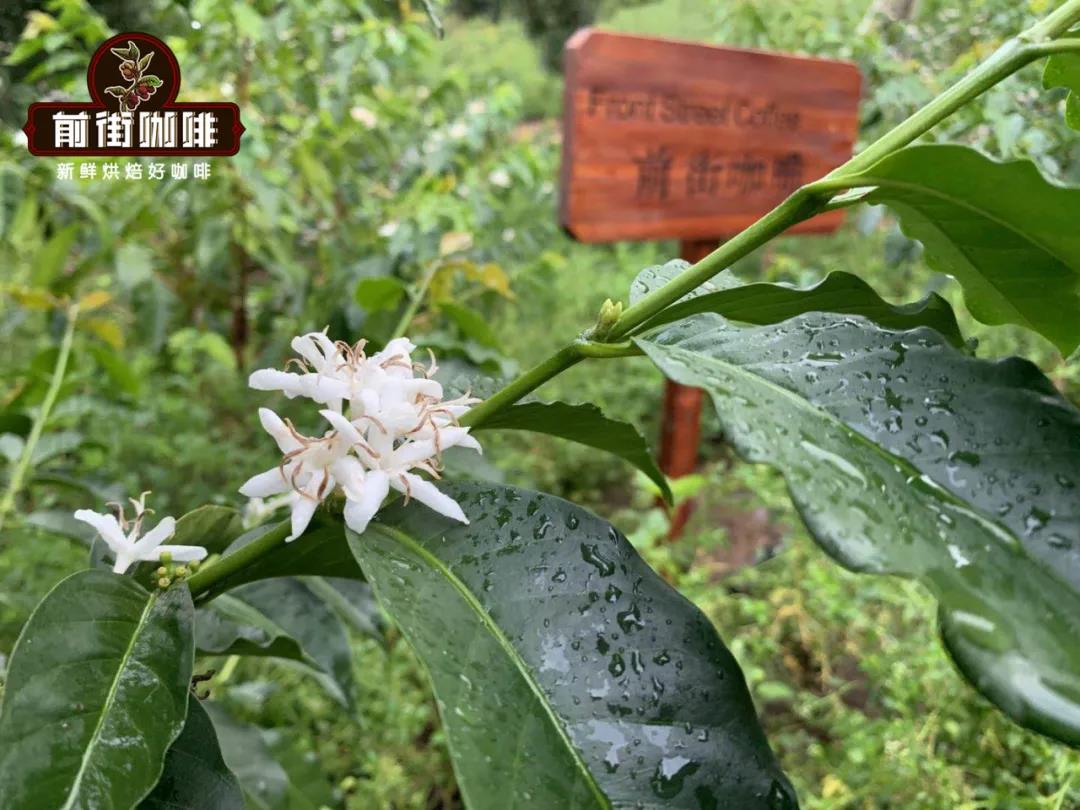
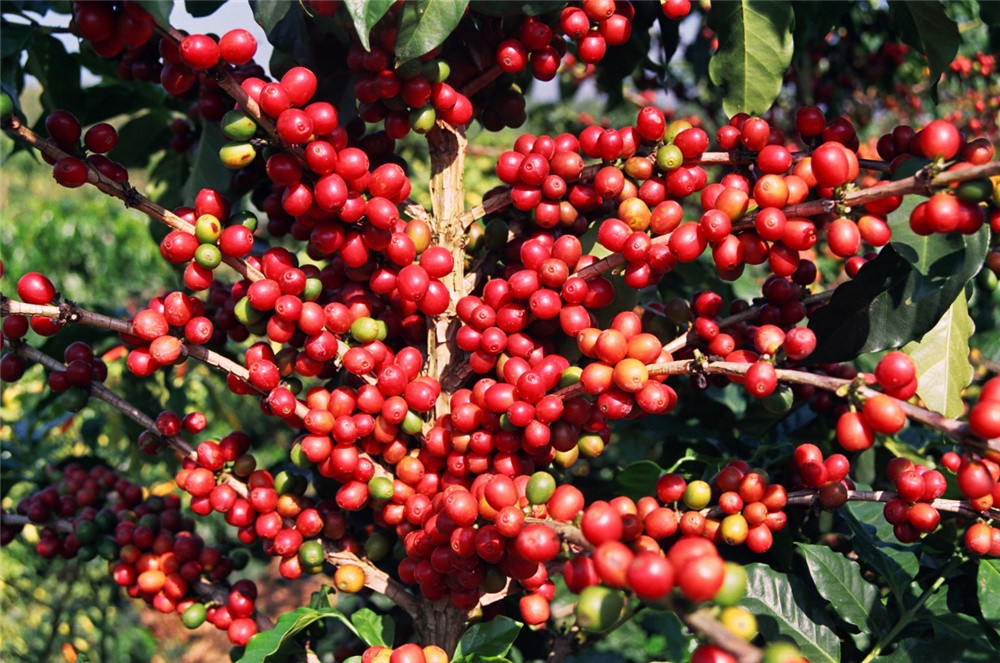
Yemen Mokha Mattari in the Middle East, although low in production (acidity one star), releases the dual flavors of ripe red grapes and dark chocolate when ground, and is a classic variety with a long history; Yunnan, China, is dominated by Typica (the original Arabica variety), Bourbon (a classic variety with rich aroma), and Catimor (a highly disease-resistant hybrid of Robusta and Bourbon), among which Catimor has become the main cultivated variety because of its strong adaptability, while the Zhukula ancient variety is an even rarer resource that preserves century-old genetic characteristics.
Other Southeast Asian origins are also worth attention: the Cordillera mountain region and the Calabarzon islands of the Philippines are affected by frequent typhoons, and volatile microclimates lead to unstable flavors but outstanding potential; Taiwan coffee is divided into three major zones—the western mountain type, the southern plateau type, and the eastern coastal type—and although annual production is limited, it can produce specialty-grade beans with obvious floral and fruity aromas.
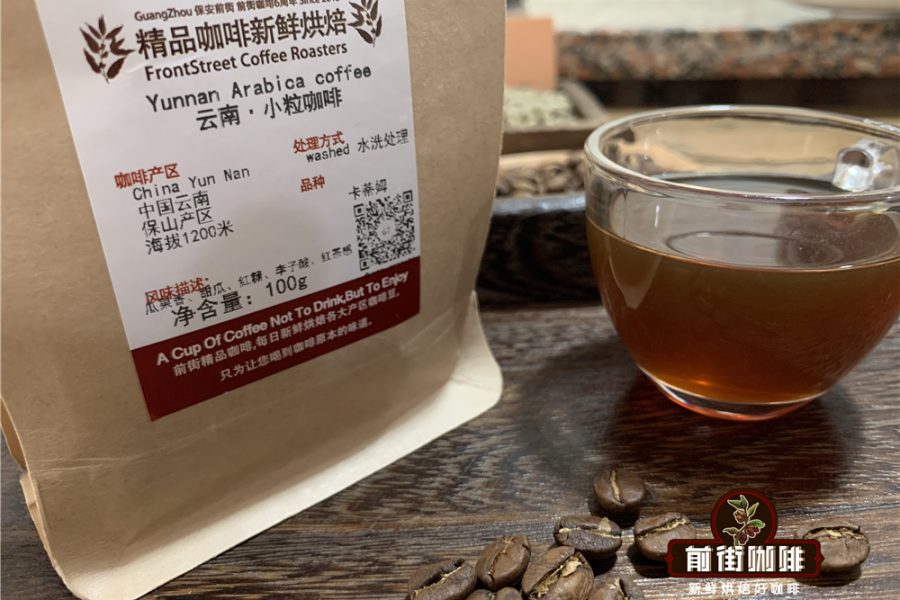
Regarding the difference between single-origin and blended coffee: the former refers to coffee beans from a single origin/variety (such as Yunnan small-bean coffee or Mandheling), which can clearly present regional characteristics (such as the nutty notes of Yunnan beans or the herbal aroma of Sumatra), and is suitable for pour-over enthusiasts exploring terroir differences; the latter balances the proportions of acidity, bitterness, and sweetness by mixing beans from different origins (for example, commercial blends often add Brazilian beans to enhance body and pair with Ethiopian beans to increase fruity aroma), and is mostly seen in espresso or milk-based coffee systems such as lattes.
Purchasing suggestions: those who prefer bright acidity can choose Indian or Taiwanese high-mountain beans; those seeking full body and low acidity can look to Yunnan Catimor or Vietnamese Robusta; experimental consumers might try monsoon Indian coffee or antique-grade Yemeni Mokha. Pay attention to the processing method indicated on the label (such as washed/natural/honey), as different methods significantly affect the final flavor.