Two Gesha Blends from Huila: Hanami vs Hanakatsuyo Processing and Flavor Guide
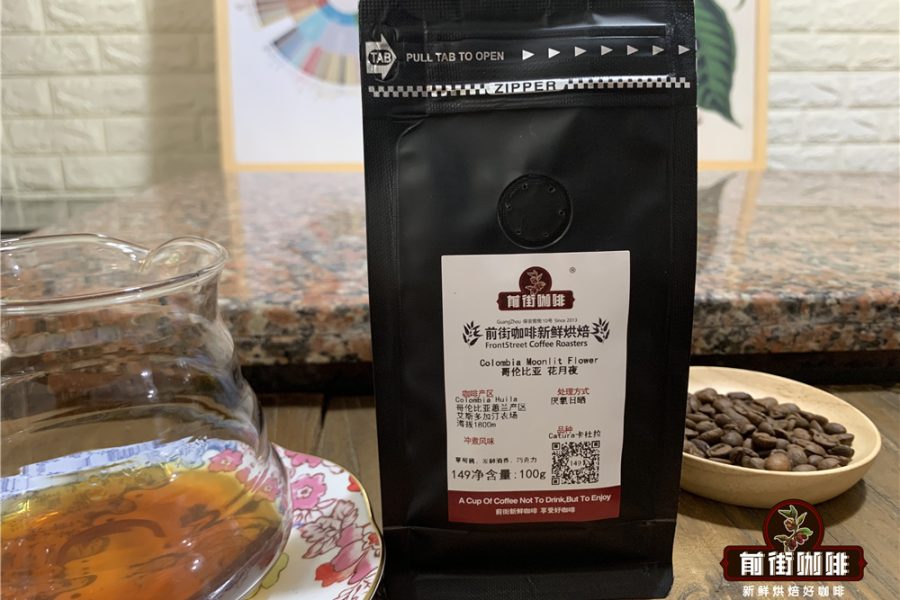
Introduction: Two major specialty coffee estates in Colombia's Huila region—Monteblanco and El Diviso—showcase their distinctive processing methods through the Gesha blends "Hanami" and "Hanakatsuyo." This article examines everything from altitude and variety ratios to the detailed washed and anaerobic natural processes, analyzing the differences between the two in fermentation time, temperature-control parameters, and flavor direction, to help you precisely choose specialty coffee beans suited to pour-over or cupping.
As the world's second-largest coffee producer, Colombia's Huila region is known for its high altitudes above 1,500 meters and a microclimate with significant day-night temperature swings, producing specialty coffee with both bright acidity and a full-bodied mouthfeel. This installment focuses on two popular Gesha blends from the region—"Hanami" from Monteblanco Estate and "Hanakatsuyo" from El Diviso Estate—revealing the core logic behind their flavor differences, from growing background to processing details.
Regional Foundation: Huila's Coffee Genes
Huila lies on the eastern slopes of the Andes, where the surrounding mountains form a natural barrier that both blocks cold fronts and accumulates abundant rainfall (over 200 cm per year). Volcanic soil rich in minerals, combined with an average annual temperature of 18-22°C, provides an ideal growing environment for Arabica coffee trees. Coffee in this region is generally planted on canyon slopes at 1,500-1,800 meters; the steep terrain promotes air circulation, effectively preventing leaf rust while slowing fruit ripening and allowing the accumulation of more complex sugars.
Monteblanco Estate: The Mixed Heritage of Hanami
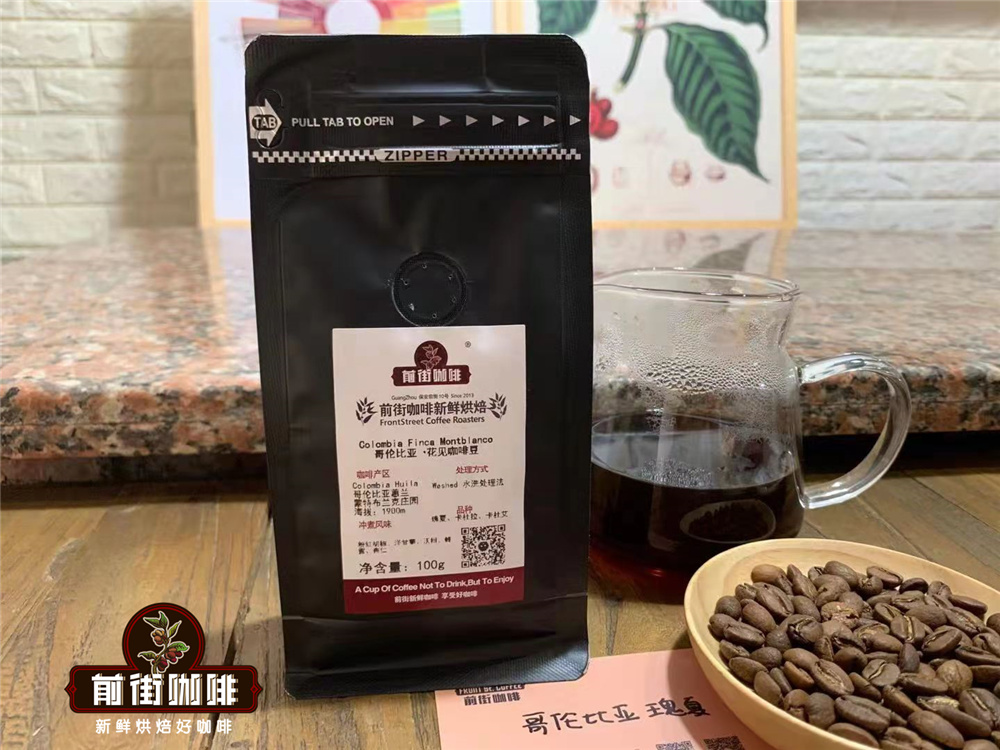
Monteblanco Estate, located in the Vereda La Tocora mountain area of Pitalito, has an 18-hectare growing area supported by a self-contained water-circulation system built around natural springs.Its "Hanami" blend is led by Gesha (about 30%), combined with Caturra (40%) and Catuai (30%)—a ratio that preserves Gesha's signature jasmine aroma and tea-like character while creating layers through Caturra's citrus notes and Catuai's chocolate finish. Notably, the Gesha variety was introduced in 2016 and, after five years of adaptive cultivation, achieved stable commercial yields in 2021, ensuring flavor consistency.
Precision Control in Traditional Washed Processing
"Hanami" uses a modified washed process:first, a density flotation machine removes unripe cherries (density <1.05 g/cm³) and impurities, after which the depulper precisely removes the mucilage layer (leaving 0.2 mm of fruit pulp to balance fermentation acidity). Fermentation takes place in concrete tanks held at a constant 20°C for 18-36 hours (duration adjusted according to humidity), with lactic acid bacteria breaking down pectin to produce acetic and malic acids. After washing, the beans are sun-dried on African raised beds, turned three times daily to ensure even dehydration, with final moisture content strictly controlled at 11±0.5%. Notably, the parchment-storage stage must be kept out of light, with humidity maintained at 55-60% to prevent mold.
El Diviso Estate: The Anaerobic Code of Hanakatsuyo
El Diviso Estate, adjacent to the main Huila growing area, traces its history to three generations of family cultivation of the Caturra variety, laying the foundation for the fruit's natural sweetness."Hanakatsuyo," inherited by current owner Ramírez, uses a fully anaerobic natural process—whole in-shell beans are placed in sealed stainless-steel tanks (500 L capacity), oxygen is displaced by injecting carbon dioxide, and fermentation proceeds at a low temperature of 18-20°C for 15-20 days. During this period, pH is monitored every 48 hours (target range 4.2-4.5), and gas release rate is regulated via a pressure valve. After fermentation, the beans are transferred to raised mesh beds for sun drying, initially at a depth of only 3 cm under shade netting, later gradually reduced to 1 cm to promote even drying.
Flavor Comparison: Process Determines Sensory Differences
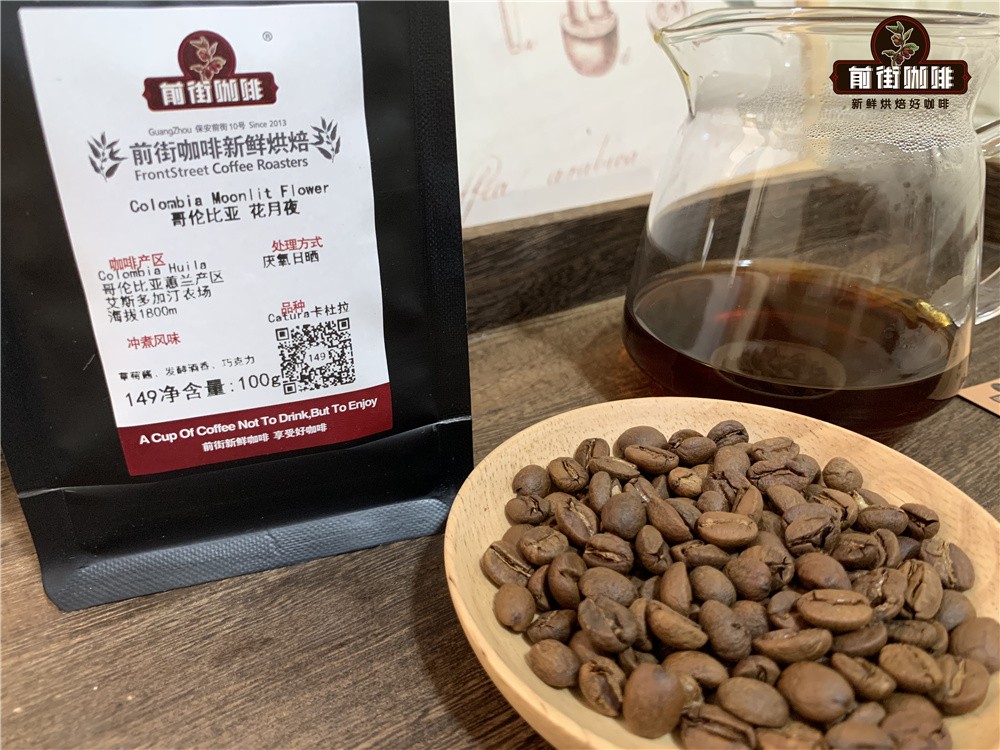
Thanks to the clarity of its washed processing, "Hanami" presents white florals (gardenia/lily of the valley), a green tea base, and a lemon black tea finish, with bright but not sharp acidity (pH 5.2-5.4); while "Hanakatsuyo"'s anaerobic fermentation gives it an explosion of tropical fruit (passion fruit/mango), honeyed sweetness, and a liqueur chocolate aftertaste, with greater body (body score 8.5/10). For brewing recommendations, Hanami suits 90-92°C with a medium-fine grind (75% passing a Chinese standard No. 20 sieve) to highlight its layers, while Hanakatsuyo is best at 88-90°C with a slightly coarser grind (68% passing) to balance sweetness and body.
These two Gesha blends from the same region interpret the diverse possibilities of Huila's terroir through entirely different processing philosophies—whether you are a traditionalist seeking freshness and elegance or an experimenter drawn to intense fermentation, you can find a taste experience that suits you.


