Yemen Mocha Coffee Beans: Flavor, Price, and Variety Guide
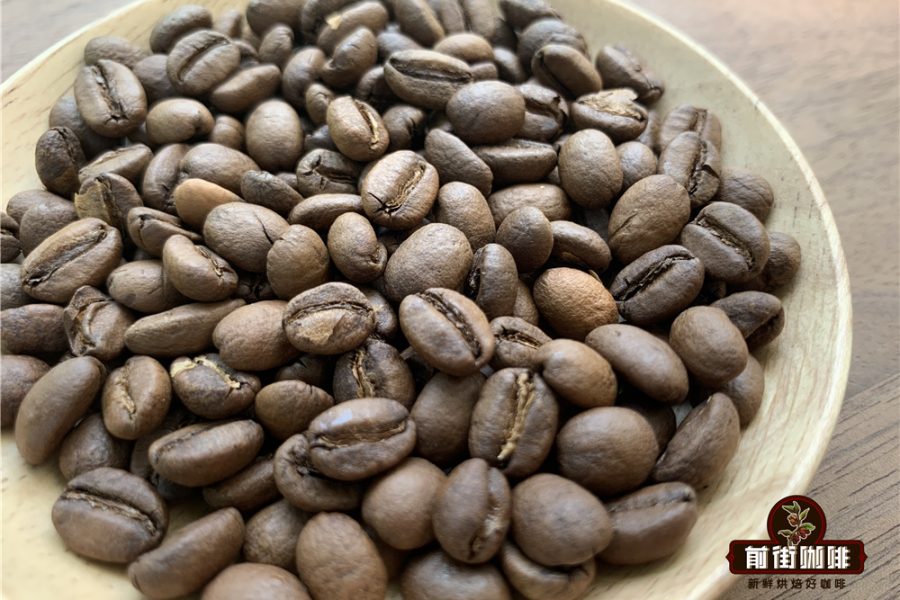
Introduction: Yemen Mocha coffee, one of the world's oldest coffee varieties, is highly regarded by coffee enthusiasts for its distinctive chocolate flavor and complex taste. This article examines whether Yemen Mocha belongs to the Arabica species, explores the root causes of its high price, and details the flavor characteristics of major producing regions including Ismaili and Mattari. Through a professional lens, it interprets the entire process of this legendary coffee from cultivation to roasting, helping you gain a comprehensive understanding of the appeal of Yemen Mocha.
The history of Yemen Mocha coffee dates back more than five hundred years, first cultivated in the mountains at the southwestern tip of the Arabian Peninsula. This classic coffee variety was originally called "Arabian Mocha," a name derived from the Red Sea port city of Mocha, an important gateway through which coffee reached the world. It is worth noting that Yemen Mocha is fundamentally different from the modern "mocha" concept in coffee beverages—the former refers to a coffee bean variety originating from a specific region, while the latter is a coffee drink with added chocolate.
From a botanical classification perspective, Yemen coffee indeed belongs to the Arabica species and is related to coffee varieties found in Ethiopia. Hundreds of local coffee varieties are distributed throughout Yemen, among which the most famous Ismaili variety is known for producing small, round, pea-shaped beans. These precious coffee beans are mainly produced in the areas surrounding Sana'a, including Bani Ismaili, Bani Mattar, the western mountains of Sana'a, and the western Sana'a region, with each producing area developing its own distinctive flavor characteristics.
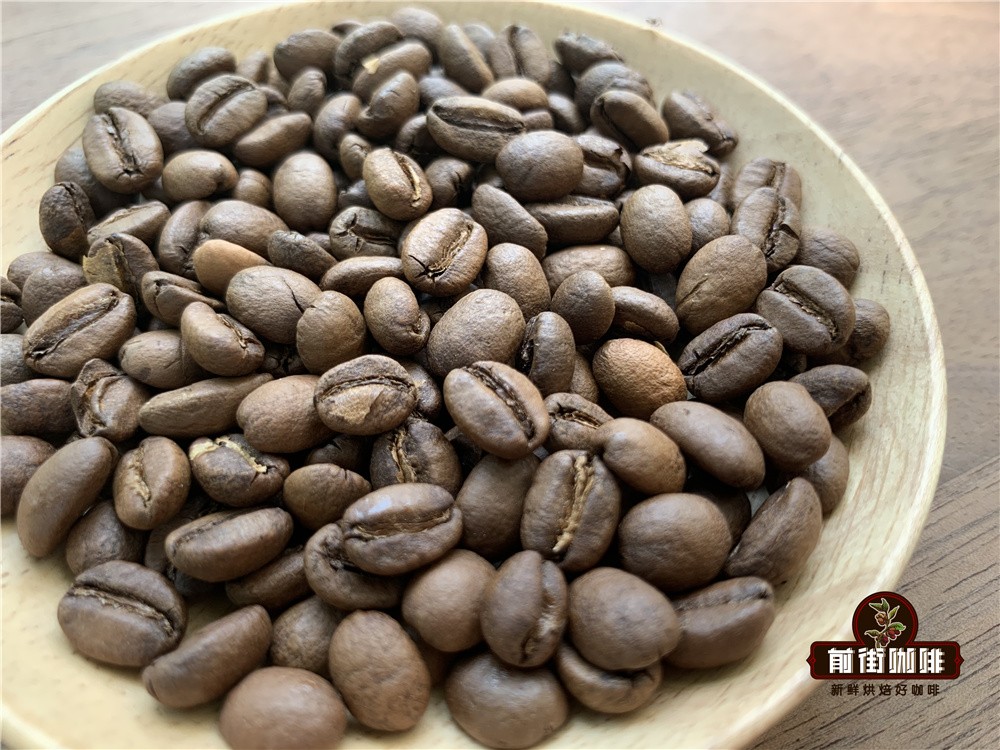
Yemen's coffee-growing environment is highly distinctive: coffee trees grow on terraces on steep mountainsides and rely on small reservoirs filled during winter for summer irrigation. The locals use a unique dry-processing method—whole coffee cherries (including the parchment) are dried directly in the sun, and once fully dry, the outer layer is removed using stone mills. This traditional processing method creates the uniquely full-bodied mouthfeel of Yemen coffee. It is worth mentioning that the dried coffee husks (qishr) are further utilized, mixed with spices to make an afternoon tea beverage beloved by locals.
In terms of flavor expression, Yemen Mocha coffee displays remarkable complexity. Its typical characteristics include intense wine-like acidity, pronounced spice notes (such as cinnamon), rich raisin flavors, and a signature deep chocolate finish. Some lots also exhibit distinctive notes of earth, wood, and even tobacco. This multi-layered flavor combination is precisely the origin of why the word "mocha" later came to describe chocolate-flavored coffee beverages.
Yemen coffee's market positioning shows a polarized pattern. In the local market, farmers often can only sell green beans at a low price of 1-2 US dollars per kilogram, while when sold through international specialty coffee channels, premium lots can fetch over 8 US dollars per kilogram. Currently, the top-grade Yemen Mocha coffee on the market has a retail price of up to 240 US dollars per pound. This price disparity mainly stems from its scarcity—Yemen's complex terrain and limited production make high-quality green beans extremely rare.
The main commercial varieties of Yemen coffee are named after their producing regions, each with its own characteristics:
• Ismaili: Produced in the Bani Ismaili region, known for producing small round beans
• Mattari: Originating from Bani Mattar in the Sana'a region, known for bright acidity and spice flavors
• Hirazi: Grown in the western mountains of Sana'a, with distinctive mountain climate characteristics
• Sanani: A blended coffee from the western Sana'a region, combining the characteristics of multiple producing areas
For coffee enthusiasts, understanding brewing recommendations for Yemen Mocha is equally important. Since these coffees typically have high body and complex flavors, a medium-fine grind paired with pour-over or French press brewing is recommended, with water temperature controlled between 90-93°C. It is worth noting that Yemen coffee is extremely sensitive to freshness; it is recommended to choose fresh beans with a roast date within 2 weeks and to use them as soon as possible after grinding for optimal flavor expression.


