Blue Mountain vs Peaberry: Roast Time and Flavor Guide
Introduction: Jamaican Blue Mountain coffee is renowned as one of the world's top specialty coffees, but its authenticity is often confused in the market. This article provides an in-depth analysis of the morphological differences, roasting processes, and flavor characteristics between authentic Blue Mountain coffee beans and the unique peaberry, helping coffee enthusiasts distinguish genuine from fake and master optimal brewing parameters. It particularly focuses on the impact of altitude-zoned cultivation on flavor and the special application value of peaberry in espresso.
When discussing benchmarks in the specialty coffee world, Jamaican Blue Mountain coffee is undoubtedly a classic that cannot be overlooked. Grown in the Blue Mountain range of this Caribbean island nation, this coffee has long occupied the top of the high-end coffee market thanks to its balanced, mellow taste and scarce production. But consumers often face a key question: how many products labeled "Blue Mountain" on the market actually come from certified growing regions? In fact, only coffee beans grown in specific altitude zones of Jamaica's Blue Mountains can bear the name authentic.
True Blue Mountain coffee grows in the core area of the Blue Mountain range, north of Kingston and south of Port Maria, with cultivation strictly limited to altitudes between 914 and 1,676 meters. The region above 1,500 meters produces the highest quality, while the peaks above 5,500 feet (about 1,676 meters) are designated as forest reserves and no longer cultivate coffee. Notably, this area includes several historic estates, such as Silver Hill, Wallenford, Moy Hall, Mavis Bank, and Old Tavern Estate, all of which hold the right to use the Jamaica Blue Mountain™ trademark, ensuring the coffee's authentic lineage.
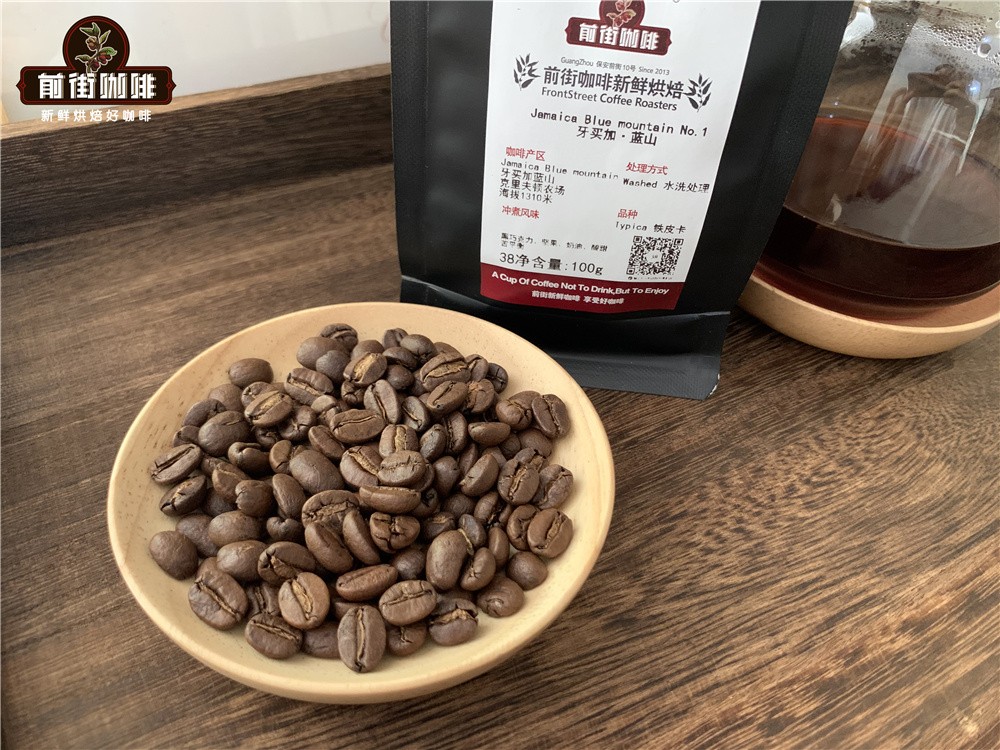
In terms of processing, Blue Mountain coffee is generally wet-processed (washed), a method that maximally preserves the purity of the beans. The resulting beans have a silky, uniform appearance, and the flavor combines soft acidity with rich complexity—distinct nutty aromas, a gentle floral base, and a creamy, dense mouthfeel, often with a subtle chocolate note in the finish. Its greatest characteristic is an excellent balance of acidity and bitterness, clean on the palate without astringency, with a natural, smooth sweetness—truly a "master of balance in the coffee world."
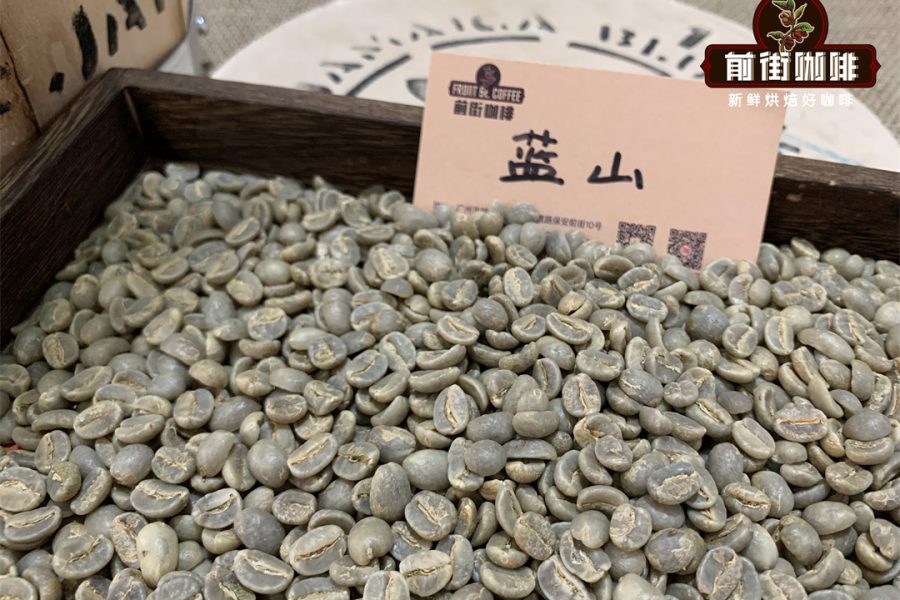
Blue Mountain peaberry is a special presence within this category. A normal coffee fruit usually contains two half-bean seeds, while peaberry is a mutant variety in which the fruit develops only one complete round bean, accounting for about 3%–5%. These beans are denser and rounder, requiring longer roasting than normal flat beans to ensure full internal transformation. In espresso, peaberry, with its tight structure and even heat absorption, effectively stabilizes the roast curve, producing thicker crema and a balanced taste.

The Blue Mountain coffee growing area can be subdivided into three altitude bands: the top-tier Blue Mountain region (1,500–1,676 m), the slightly lower Jamaica High Mountain region (914–1,500 m), and the low-altitude Jamaica Low Mountain/Supreme region (below 914 m). The soil in the Blue Mountain core area is rich in organic matter and drains exceptionally well, and combined with a humid climate with an average annual temperature of 18–22°C and annual rainfall exceeding 2,000 mm, it provides an ideal growing environment for coffee trees. Although the highest peak in the Blue Mountains reaches 2,256 meters, forest protection policies limit coffee cultivation to 1,676 meters, which indirectly contributes to the scarcity and high quality of coffee from this altitude band.
Regarding roasting recommendations, medium-dark or medium roast is the golden range for unlocking Blue Mountain coffee's flavor potential. Moderate roasting highlights its natural nutty and floral base while avoiding excessive caramelization that would mask its delicate taste with bitterness. For home brewing, a water temperature of 90–93°C is recommended, with a coffee-to-water ratio of 1:15–1:16. For pour-over, choose a V60 or Kalita Wave and extract with a medium-fine grind (75%–80% passing a Chinese standard No. 20 sieve), controlling total time to 2 minutes 30 seconds to 3 minutes to better present its balanced, mellow characteristics.
It is particularly important to note that most "Blue Mountain coffee" on the market is actually from Jamaica's High Mountain or Low Mountain regions, or even blended with beans from other origins. Consumers should look for the official Jamaica Blue Mountain™ certification mark when purchasing and prioritize products that clearly state the growing estate and altitude range. For those seeking the ultimate experience, try espresso made from Blue Mountain peaberry; its unique full body and stable extraction performance may bring unexpected taste surprises.