Espresso's three core elements: pour-over vs. espresso, which suits you?
Introduction: Espresso has become a classic choice for coffee lovers thanks to its rich taste and distinctive crema. But do you know its three core elements? And how does it differ from pour-over coffee in flavor and craft? This article breaks down espresso's extraction principles and flavor layers, compares it with pour-over coffee, and offers practical brewing advice to help you find the coffee experience that suits you better.
For coffee lovers, single-origin pour-over coffee is prized for its pure flavor expression—especially when brewed at home, where you can perceive the regional characteristics of the beans more delicately. Still, many people prefer espresso or Americano; these drinks, with milk or sugar added, have a softer bitterness and an overall taste that is easier to accept.
The core of making espresso lies in the choice of coffee beans. The common base bean is Arabica (Coffea arabica), but to enhance body and crema, many recipes blend in a small amount of Robusta (Coffea canephora). Robusta not only contains about twice the caffeine of Arabica but also helps form a richer crema layer. Although dark roasting is the classic approach for espresso, medium-light roasts work equally well—you just need to adjust the grind and extraction parameters.
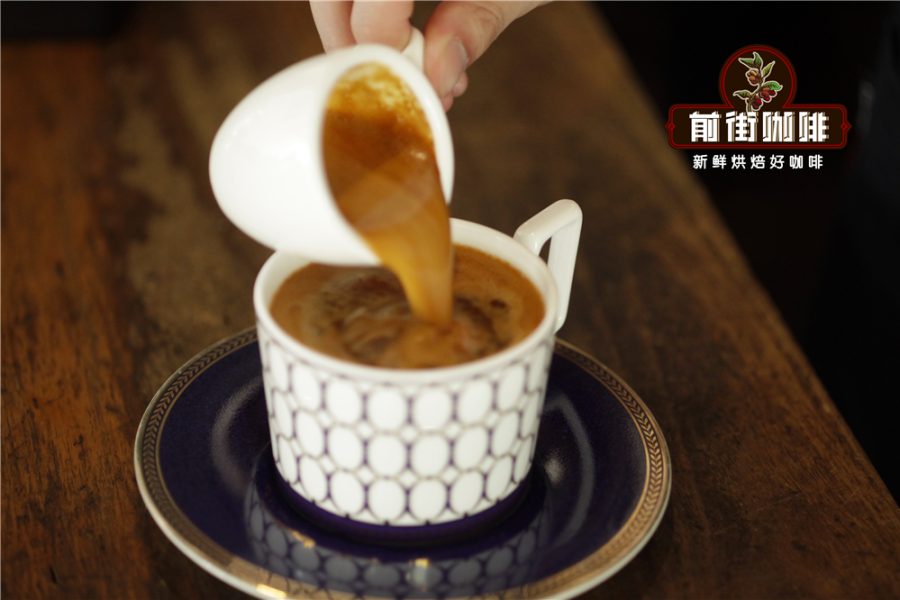
What truly defines espresso is its unique extraction method and fine grind setting. Compared with regular pour-over, espresso's grind is extremely fine; the exact coarseness must be fine-tuned according to the pressure system of the machine used, with the goal of pressing out a concentrated coffee liquid with intense, focused flavor.
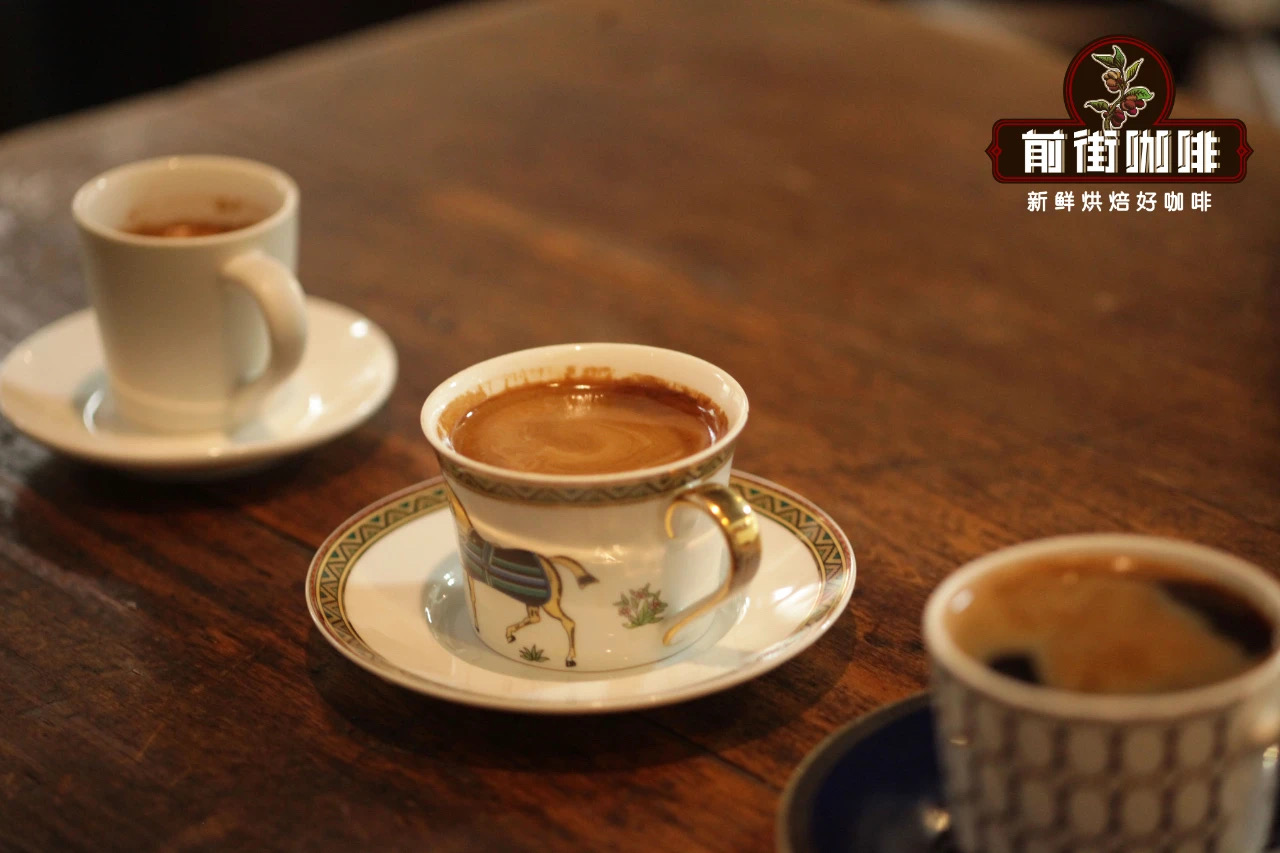
A classic espresso has a standard volume of about 1.5 ounces (roughly 45 ml), and a double shot is twice that amount. Traditionally, espresso is served in a preheated demitasse to maintain the best temperature and aroma release.
A well-extracted espresso tastes rich and layered—highly concentrated flavor compounds deliver a full-mouthed impact, while presenting a velvety texture and vivid flavor tension.
To achieve ideal extraction, water temperature and pressure must be precisely controlled. Under high pressure, water penetrates the tightly compacted coffee puck, and this process directly determines the quality of the final cup. Besides pressure, the fineness of the grind and the type of grinder are also key variables.
Typically, old-style espresso machines that rely on steam pressure require a finer grind than modern pump-driven models, because they generate lower extraction pressure. Coffee lovers are advised to choose conical burrs rather than flat burrs; the latter, though common in home settings, are slightly less capable of fine control.
Another factor not to be overlooked is the freshness and storage conditions of the coffee beans. To ensure the best extraction, grind the beans right before brewing and preheat the machine's filter basket and body in advance to reduce the effect of temperature fluctuations on flavor.
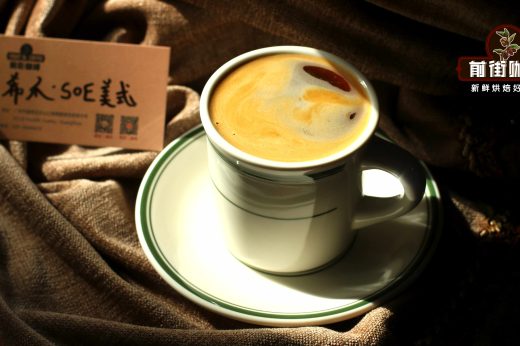
When you look at the surface of a quality espresso, you'll see a fine amber film covering the top—this is the so-called "crema." This layer of oil wrapped in bubbles is rich in sugars and proteins, contributing a sweet base note while locking in the coffee's core aromas.
Ideal crema should have a reddish-brown sheen, an even texture, and good persistence. Its formation depends on the emulsification of air, carbon dioxide, and water-soluble substances under high pressure; only freshly roasted, properly ground coffee can produce such a rich foam structure.
Visually, a complete espresso can be divided into three typical zones: the "heart" at the bottom is dark brown with a slightly bitter base; the "body" in the middle is caramel-toned and carries the main flavor layers; and floating on top is the silky "crema," adding three-dimensional aroma to the whole cup.
Together these elements build espresso's complex taste—balanced bitter and sweet, with body and brightness coexisting. Its uses are extremely broad: whether drunk on its own or as the base for lattes, cappuccinos, and other specialty coffee drinks, it reveals varied flavors when paired with steamed milk.
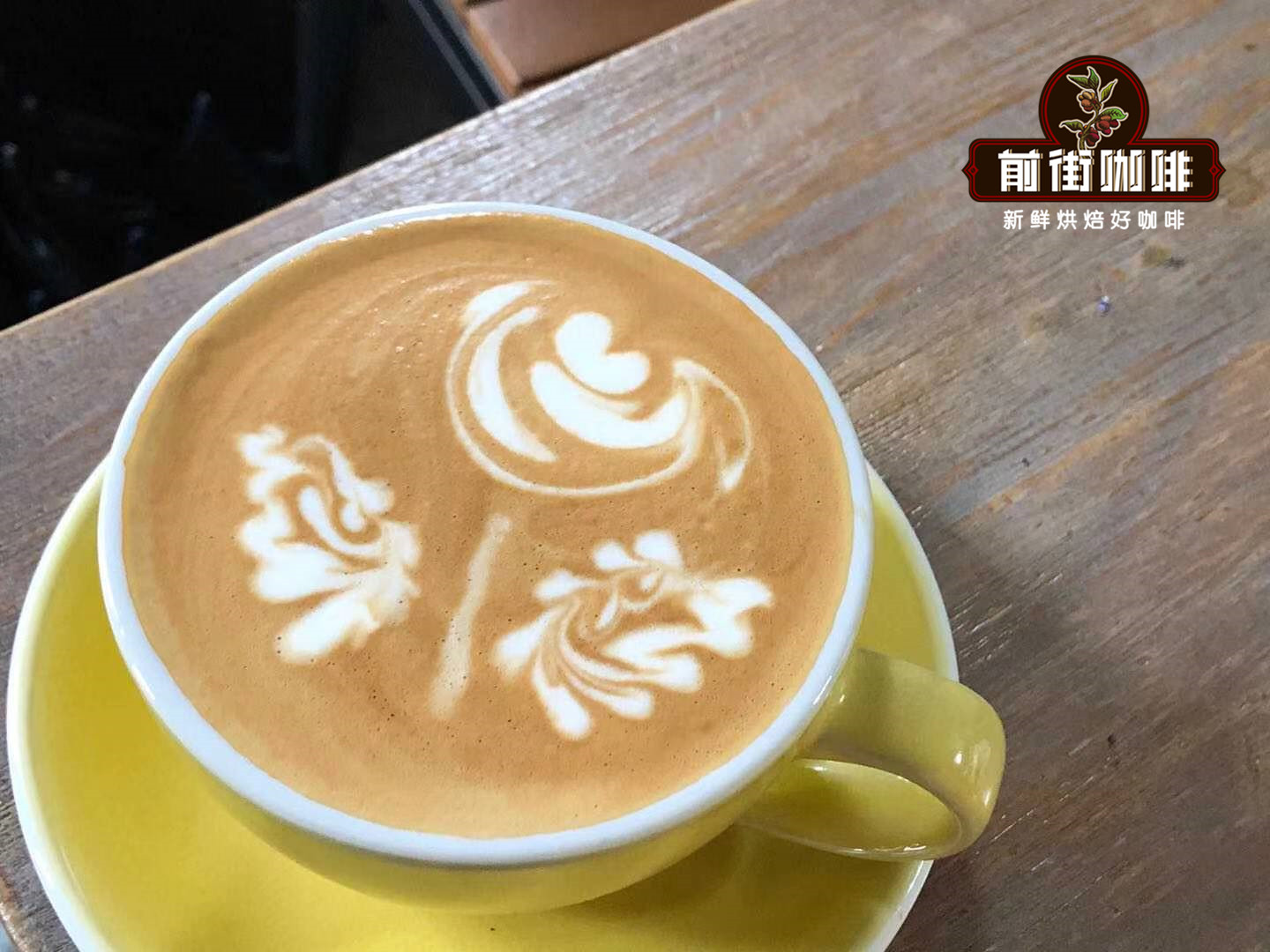
Note that espresso's flavor changes over time. Right after extraction, the acidity and sweetness are more pronounced; after standing for a few minutes, bitterness may gradually come to the fore. For the best experience, drink it as soon as extraction is complete and try to keep brewing parameters consistent each time.
If you want to deepen your tasting further, try the "single shot, straight" approach, focusing on the subtle aroma changes and layer transitions of the espresso itself.
For home users, capsule espresso systems are also a convenient option. These pre-compressed coffee pucks (about 7 g for a single, about 14 g for a double) are sealed in filter paper and fit dedicated capsule machines or adapters—suitable for users who want efficiency without sacrificing flavor.
Beyond drinking it straight, espresso pairs perfectly with all kinds of desserts—enjoy it with biscotti or croissants, or use it as the base for desserts such as ice cream or affogato, enriching the overall tasting experience.