Is Colombian Coffee Good for Espresso? Rosas Valley Flavor and Buying Guide
Introduction: Want to know if Colombian coffee beans are suitable for espresso? This article analyzes their flavor characteristics and roasting suitability in depth, and focuses on the variety features of the specialty coffee Rosas Valley. By comparing differences among MAM producing regions, the influence of altitude on flavor, and practical extraction suggestions, it helps coffee lovers find beans suited to their own taste.
In discussions among coffee enthusiasts, Colombian coffee is often mentioned as having medium body and bright citrus acidity. This major South American coffee producer contributes about 10% of the world's coffee output (2015 data), and its cost-effective Arabica beans have become a base blend ingredient for many cafés. Notably, some consumers report that its flavor is "mild and balanced," which stems both from a stable growing environment and from the widely used washed processing method.
The country's geographical advantage, straddling north and south of the equator, creates diverse microclimates. The main harvest is concentrated from September to January of the following year, while southern producing regions extend to April–August. This staggered production not only ensures a stable supply of raw material year-round but also forms a distinctive regional flavor map—for example, Supremo-grade coffee from the northern Medellín region has acidity comparable to Jamaican Blue Mountain.
When discussing the suitability of Colombian coffee for espresso, the medium to medium-dark roast range (Agtron 45–35) often shows the best balance. Its natural nutty base and moderate acidity are unlikely to produce sharp astringency under high-pressure extraction, while its moderate body effectively complements the creamy texture of milk. Professional roasters recommend keeping the roast from the dense stage of first crack to its end, where developed caramelized sweetness can neutralize the bitterness common in espresso.
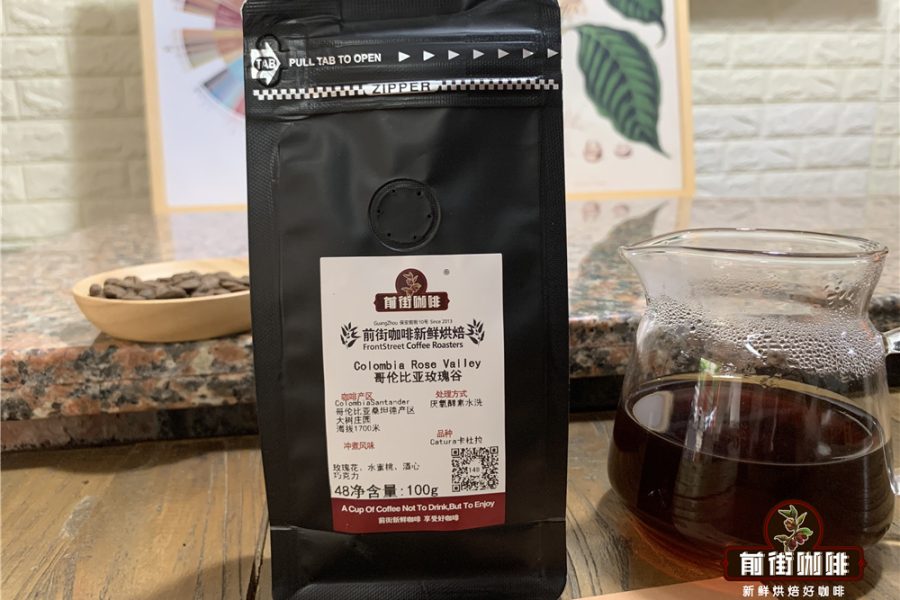
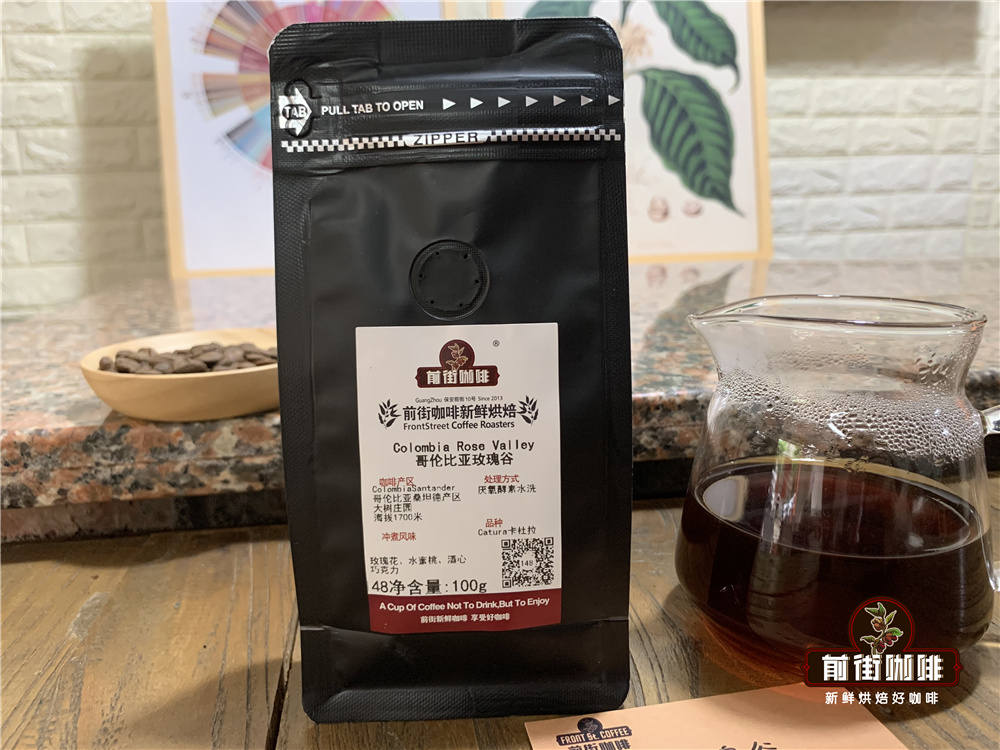
Regarding readers' question of whether Rosas Valley is a black coffee, it should be made clear that Rosas Valley is in fact an emerging specialty producing region in Antioquia Department, and its growing environment at 1,600–1,800 meters gives the coffee a distinct red berry character. Unblended single-origin beans usually show a clear dark chocolate finish; if extracted by pour-over (recommended 92°C water temperature / 1:15 coffee-to-water ratio), its layered floral and fruity aroma is even more pronounced.
From the variety perspective, Colombia's most common Caturra and Castillo varieties perform significantly differently at different altitudes: regions below 1,400 meters mostly show soft caramel sweetness, while micro-lots above 1,700 meters often carry dark berry flavors such as blueberry. Notably, the shade-growing technique widely promoted in the country effectively slows fruit ripening, which plays a key role in preserving lively acidity.
For consumers trying Colombian espresso for the first time, priority may be given to medium-roast beans processed by the double washed method—this processing method strengthens the purity of citrus acidity, while a moderately shortened resting period (7–10 days recommended) keeps the coffee's crema lively. If a fuller body is preferred, try blending in 10%–15% Brazilian beans; this can improve crema stability and add brown-sugar-like layers to the finish.