Cold brew caffeine explained, floral bean picks and a brewing guide
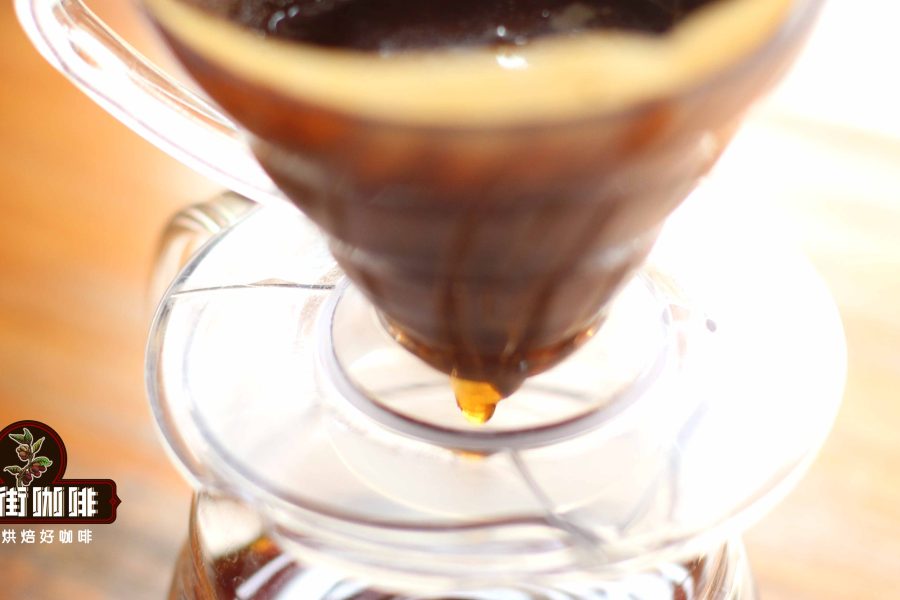
Introduction: Cold brew coffee is popular for its refreshing taste, but many people wonder whether it contains more caffeine than pour-over. In fact, caffeine content is affected by many factors, including bean variety and extraction method. This article scientifically explains the truth about cold brew caffeine levels, recommends a list of flavorful beans suitable for making cold brew, and provides practical parameters such as precise coffee-to-water ratio, grind size and steeping time to help you easily brew a floral, aromatic cold brew.
The question of caffeine content is a common concern among many coffee lovers. Some worry that drinking it before bed will affect sleep, while others are simply curious about the differences between extraction methods. In fact, cold brew coffee does not always contain more caffeine than pour-over; it is affected by coffee bean variety, extraction time, water temperature and grind coarseness. Generally, because cold brew uses a long low-temperature steep (usually 8-12 hours), the overall extraction yield may be slightly higher than regular pour-over, which makes the caffeine content of the final coffee liquid close to or slightly higher, but the difference is not dramatic. More importantly, caffeine itself contributes almost nothing to flavor; what truly shapes cold brew's unique taste is the varietal characteristics and processing method of the coffee beans.
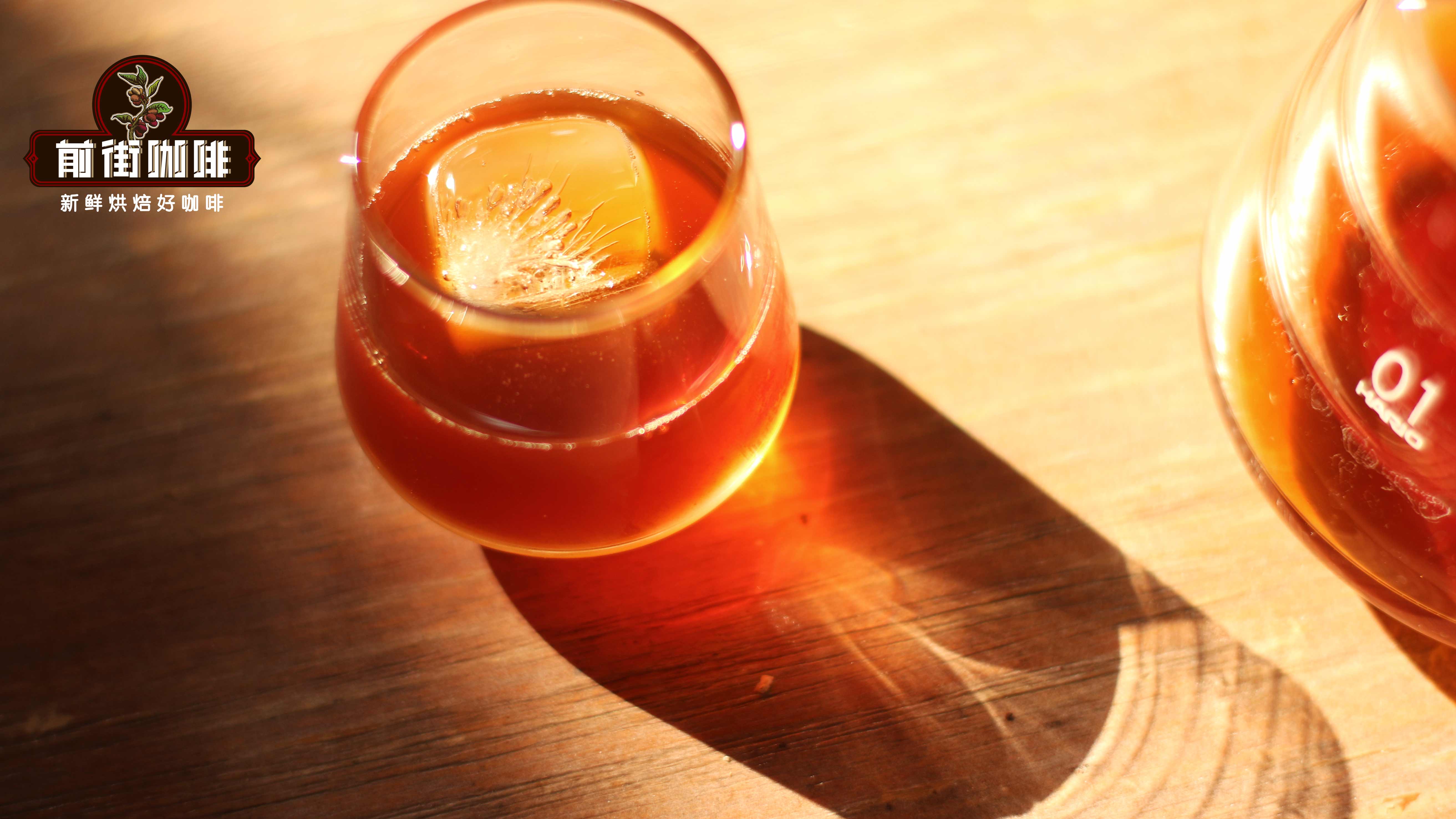
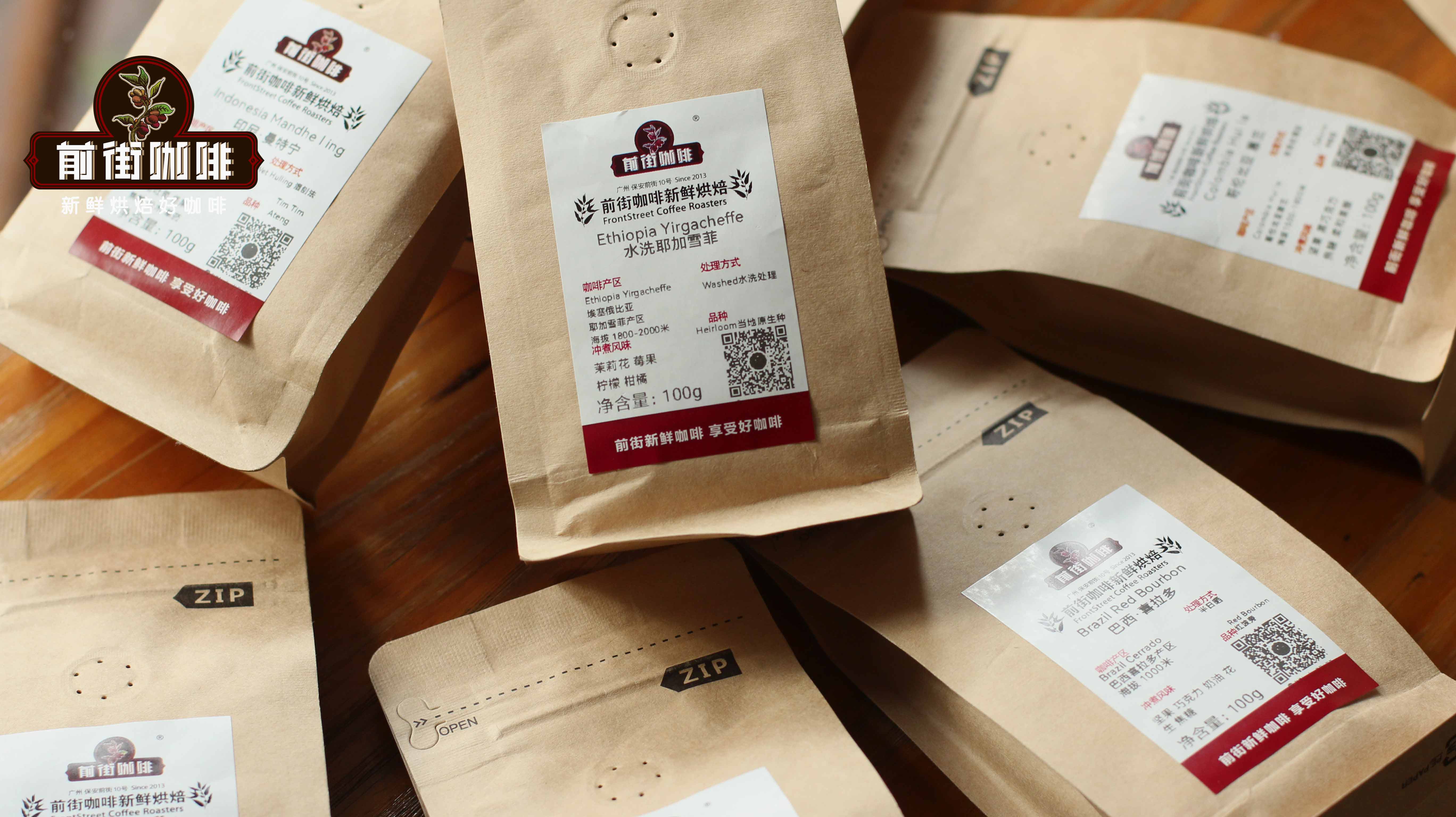
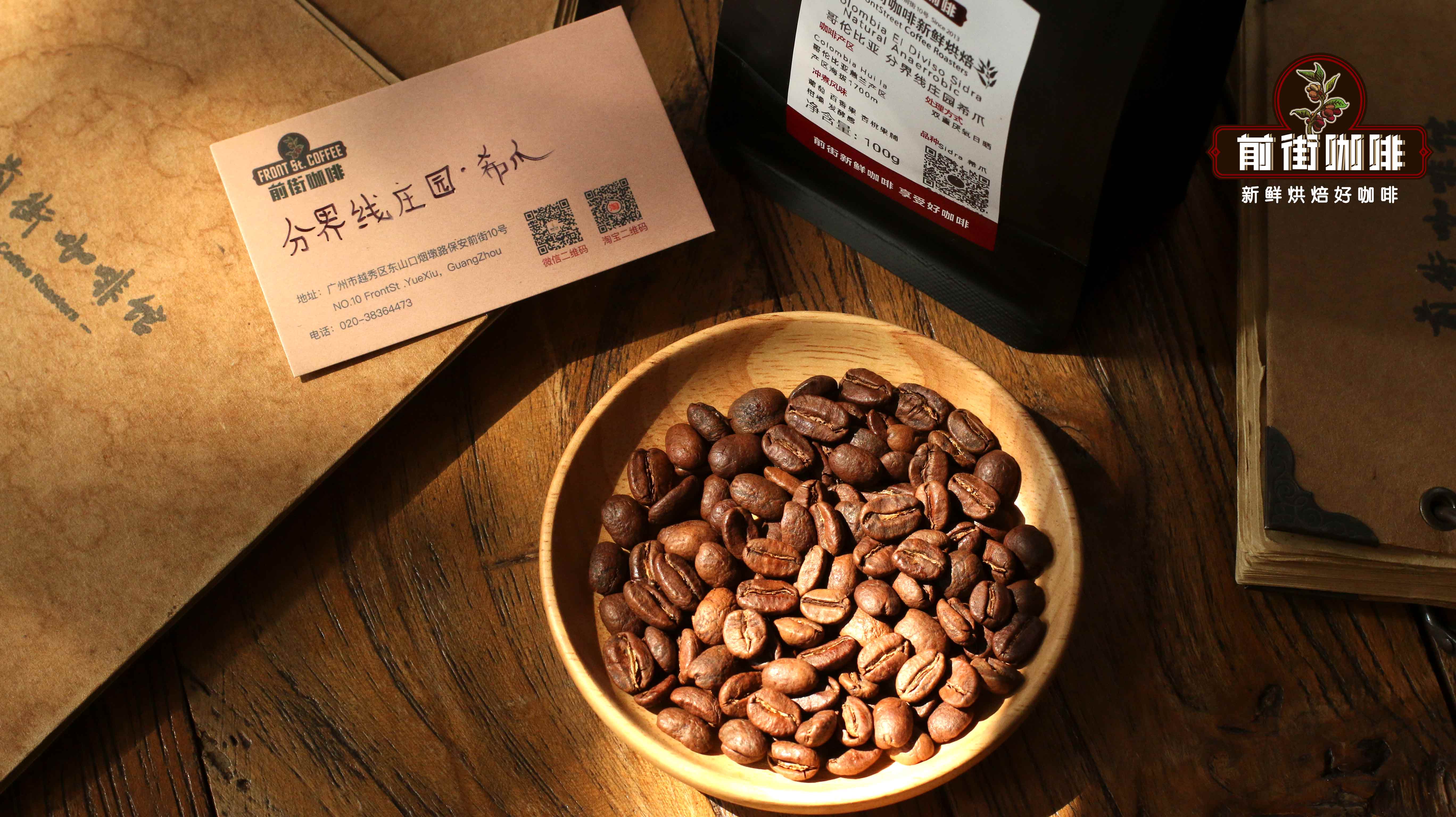
To make a cup of outstanding cold brew coffee, choosing freshly roasted, high-quality coffee beans is the most basic foundation.Beans with a roast date between 10 and 45 days old are recommended; beans at this stage have the most vivid flavor. Freshly roasted beans not only have complete aroma but also fully release layers of flavor during cold brewing. When storing, keep them sealed and away from light, and avoid moisture and high temperatures that can cause flavor loss. After grinding, use them as soon as possible to achieve the best extraction.
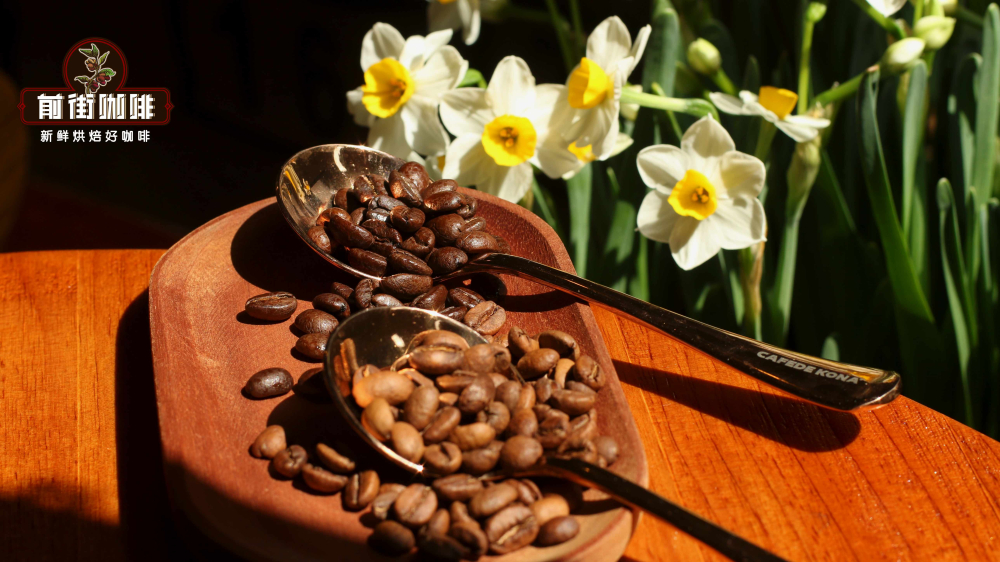
The flavor expression of coffee is closely related to roast level. Lightly roasted coffee beans usually retain more original flavor compounds, including lively acidity and delicate floral and fruity aromatic compounds. As the roast level deepens, acidity gradually weakens, bitter compounds and caramelization products increase, and the coffee overall becomes fuller-bodied, but floral characteristics often diminish or disappear. Therefore, for cold brew lovers who prefer fresh floral flavors, prioritize light to medium-light roasted coffee beans; these beans often bring attractive aromas of citrus, berries, white flowers and even tropical fruit.
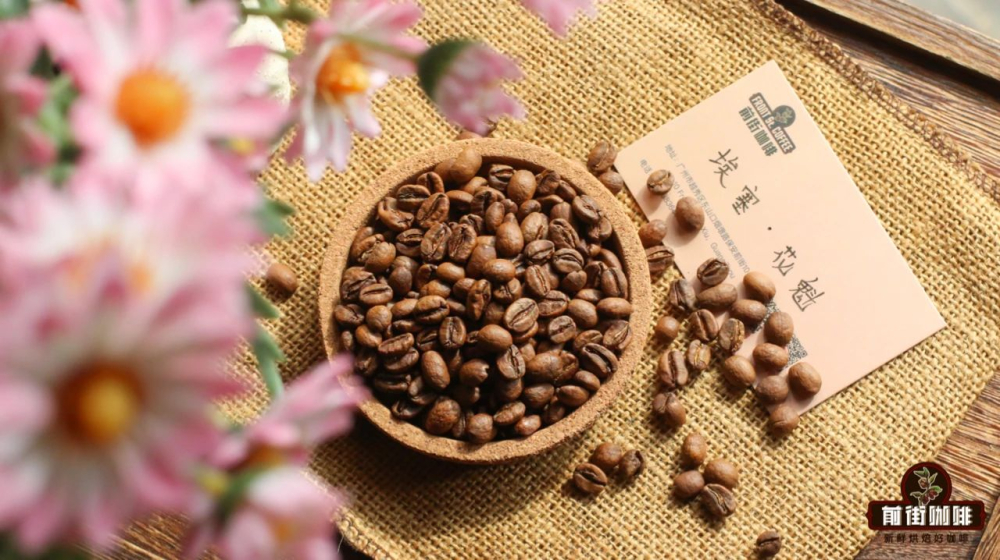
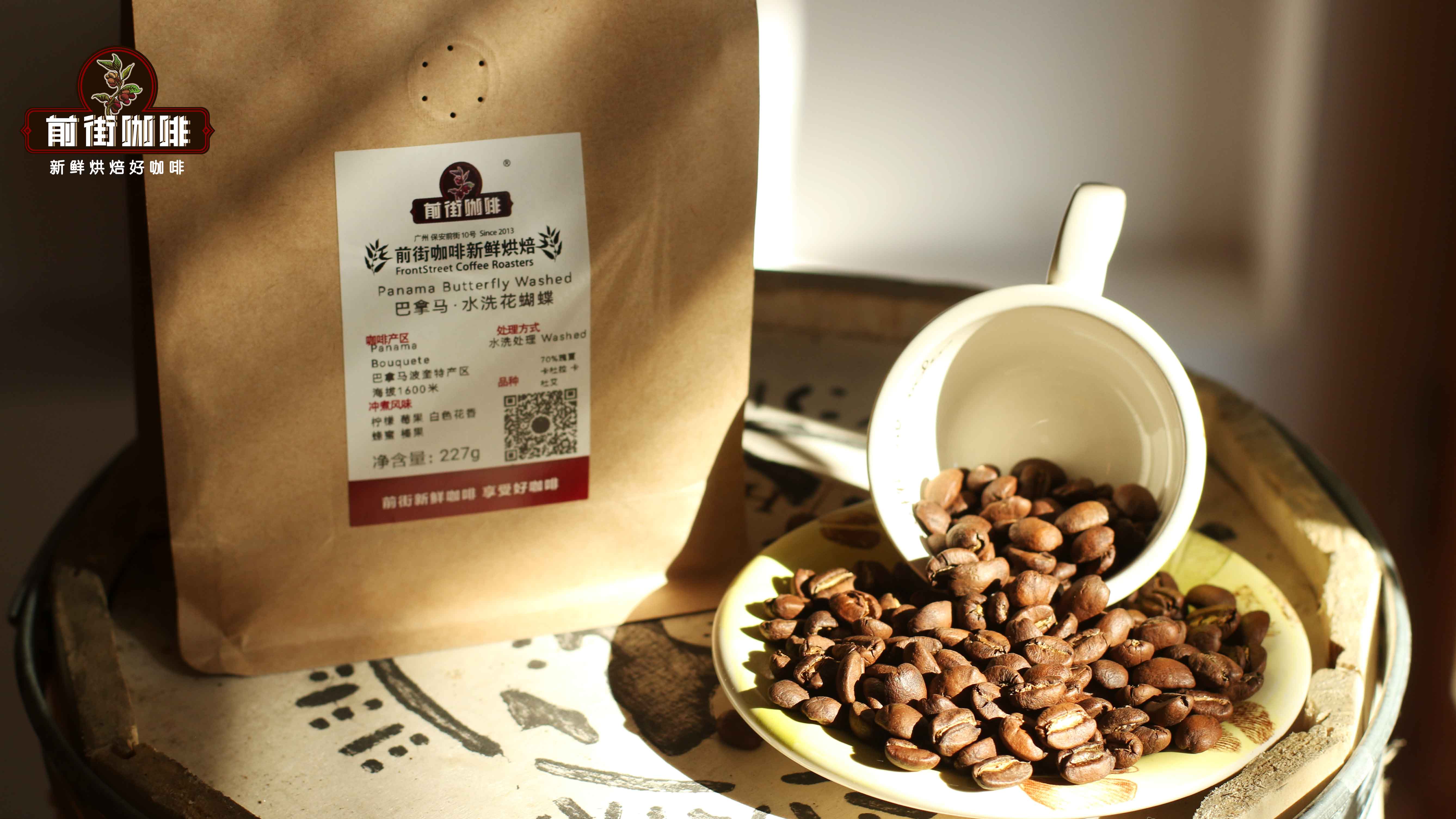
When selecting coffee beans, look for high-quality varieties from high-altitude growing regions. High-altitude growing environments give coffee beans brighter acidity and more complex layers of flavor, including some varieties with natural floral characteristics. Some beans that undergo special processing methods (such as natural or honey processing) can also develop richer fruity and floral notes. These characteristics are fully expressed during the long extraction of cold brew, creating a distinctive refreshing taste.

Scientific ratios and precise parameter control are key to ensuring cold brew success. The recommended golden ratio is 20 grams of coffee grounds to 240 milliliters of cold water, i.e., a 1:12 water-to-coffee ratio. This ratio ensures full extraction of coffee flavor without being too strong. For grind size, choose coarse sugar granule size, slightly coarser than regular pour-over grinding; this effectively avoids the bitterness caused by over-extraction while ensuring even flavor release during the long steep.
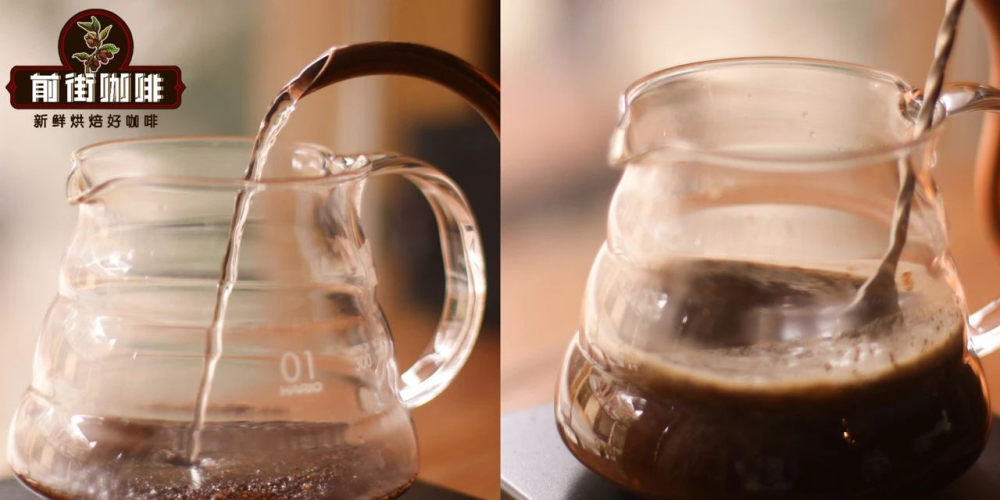
The specific procedure is as follows: first pour the ground coffee into a clean container, slowly add cold water while gently stirring to ensure all coffee grounds are evenly wet. After stirring, seal the container and place it in the refrigerator for an 8-10 hour low-temperature steep. This process allows coffee flavors to slowly and fully dissolve into the water, creating a stable extraction. After steeping, filter through a professional filter cloth or food-grade filter paper to remove the coffee grounds. Let the filtered coffee liquid rest for another 4-5 hours so the flavors further meld and balance, ultimately obtaining a smooth, clearly aromatic cold brew coffee.
It is worth noting that cold brew coffee is relatively forgiving to make, but there are still some common mistakes to avoid. For example, over-grinding creates too many fines, which can cause over-extraction and a rough mouthfeel; too short a steeping time may lead to insufficient flavor extraction and weak coffee. In addition, the refrigeration temperature should remain stable to avoid temperature fluctuations affecting extraction consistency. The filtering step is also crucial; insufficient filtering leaves coffee grounds behind and affects the drinking experience.
By mastering these key points—from choosing beans for freshness and roast level, to the precise coffee-to-water ratio, suitable grind size, and proper steeping and filtering procedures—even coffee beginners can easily make excellent cold brew coffee. Whether for a refreshing, energizing everyday drink or a refined experience of floral and fruity notes, a reasonable parameter combination and careful preparation will let you enjoy café-quality cold brew coffee at home.


