Yunnan Coffee Beans: Red Cherry vs Huaguoshan Flavor Differences and Roasting Tips
Introduction: This article focuses on the quality characteristics of Red Cherry and Huaguoshan, representative coffee bean varieties from Yunnan's core coffee-producing regions. It details the unique personalities of these two SCA 80+ specialty beans, from growing altitude and processing methods to flavor wheel comparisons. It also explains why Yunnan beans are mostly medium-light roasted rather than dark roasted, and provides selection advice for beginners along with pour-over parameters, helping you build an accurate understanding of domestic specialty coffee.
China's coffee market is undergoing a qualitative leap—over the past decade, Yunnan's coffee planting area has expanded from 4,000 hectares to 23,000 hectares, with over 80% of the high-quality production areas concentrated in the golden zone at 21°N latitude. The microclimate at altitudes of 1,200-2,000 meters here nurtures Arabica beans that combine bright fruity acidity with a full body, completely overturning the stereotype that "Chinese coffee must be dark roasted."
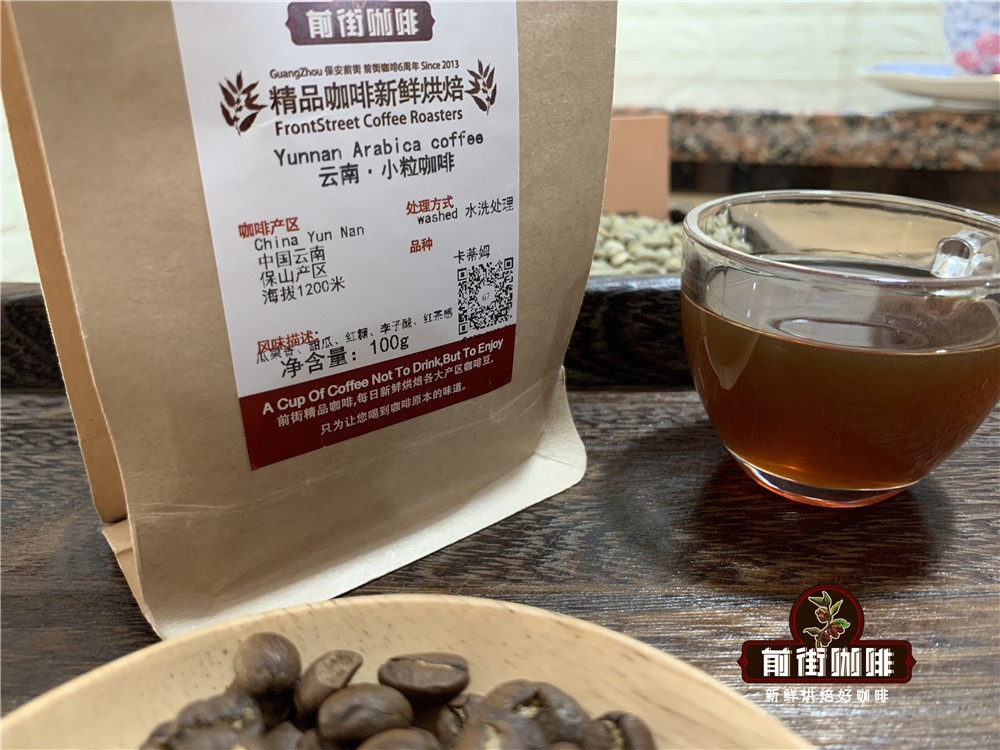
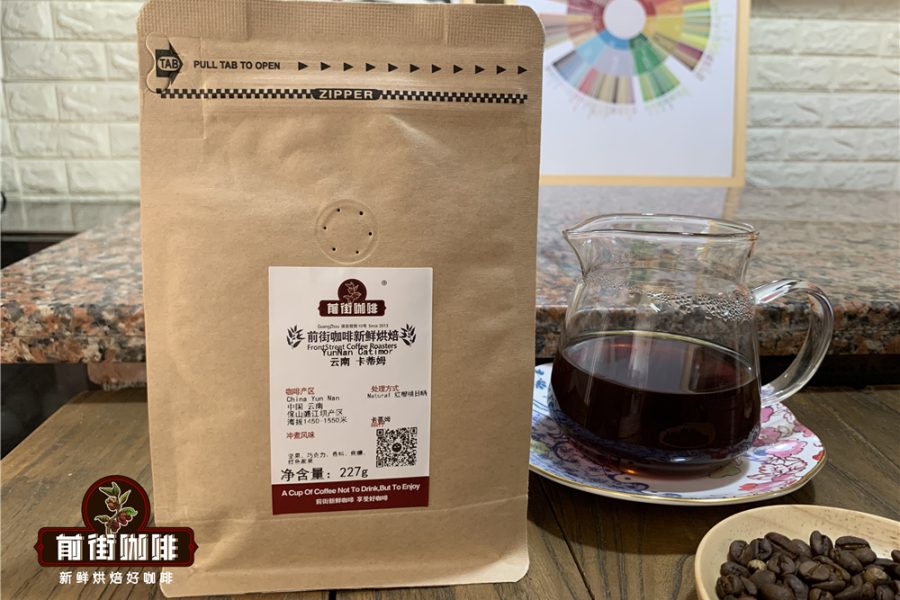
Among the many representative Yunnan origins, Red Cherry and Huaguoshan can be called the twin gems of specialty beans. The Red Cherry series typically grows in high-altitude areas above 1,300 meters in Baoshan. When natural or honey processing is used, the pectin layer retention rate can reach 30%-50%, creating its signature berry notes and brown sugar finish; while the Huaguoshan production area is mostly distributed in the 1,400-1,600 meter zone in Pu'er, and its washed processing method highlights a fresh citrus sensation, paired with honey sweetness to form unique layers.
There is a common misconception about roast level selection: Yunnan beans are not limited to dark roasting. In fact, medium-light roasting (with a roast curve development phase of about 1:15-1:18) better showcases the delicate flavors of these 80+ point specialty beans. Professional roasters suggest: if pursuing bright acidity and floral-fruity aromas, set the charge temperature at 180-190°C and control the turning point at around 7 minutes 30 seconds; when making espresso blends, appropriately deepening to the early second crack (about 1:1 development time) can enhance body.
The processing differences between the two major production areas directly affect the flavor direction: Red Cherry often uses red honey processing (retaining 40% pectin) with fermentation lasting 36-48 hours. This semi-dry method gives the coffee fuller tartaric acid and tropical fruit aromas; Huaguoshan mostly uses traditional washing (removing over 90% of pectin) combined with cold spring water fermentation, making the citrus notes cleaner and the acidity curve smoother and more persistent. It is worth noting that both beans require attention to storage conditions—it is recommended to use one-way degassing valve aluminum foil bags and keep humidity below 55%.
Market data shows that although the main export destinations for Yunnan coffee are still traditional markets such as Germany and Japan, domestic specialty coffee shop purchases are growing at an annual rate of 35%. Star products such as Starbucks' "Cloudy Bay" blend and Luckin's SOE Red Honey series all use seasonal fresh beans with SCA scores above 80. For home brewers, when using a V60 dripper, it is recommended to use a 1:15 coffee-to-water ratio, water temperature of 90-92°C, and pour 30% of the total water within 30 seconds in the first pour, which can effectively highlight the honey sweetness unique to Yunnan beans.
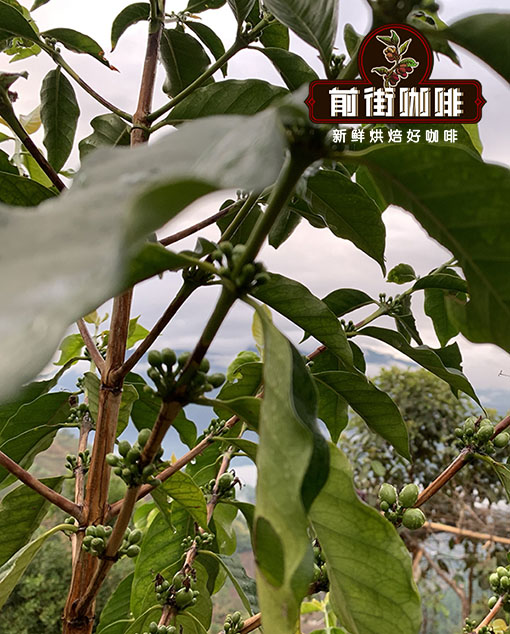
From the planting side, Yunnan has eliminated the traditional Typica variety, which is susceptible to rust, and now mainly uses the disease-resistant Catimor hybrid (accounting for over 70%). Although this variety is slightly inferior in flavor complexity, through precise water and fertilizer management and shade-growing techniques, some high-quality estates can still produce specialty-grade cherries with floral and caramel finish. Professional advice: when purchasing, look for the three key elements of "Baoshan/Pu'er production area + altitude above 1,300 meters + clearly labeled processing method", and avoid buying generic beans labeled only as "Yunnan small-batch coffee."
This Yunnan coffee map is rewriting the global supply chain landscape—its specialty bean annual output has exceeded 30,000 tons and continues to grow, offering both medium-light roasted single-origin beans suitable for pour-over and medium-dark roasted raw materials suitable for commercial blends. Whether exploring the berry explosion of Red Cherry or savoring the citrus-cedar symphony of Huaguoshan, Yunnan coffee has proven: this place not only produces world-class specialty coffee but also hides underexplored flavor treasures.