Indonesia's Top Coffee Brands: Medium-Dark Roast Mandheling and Origins
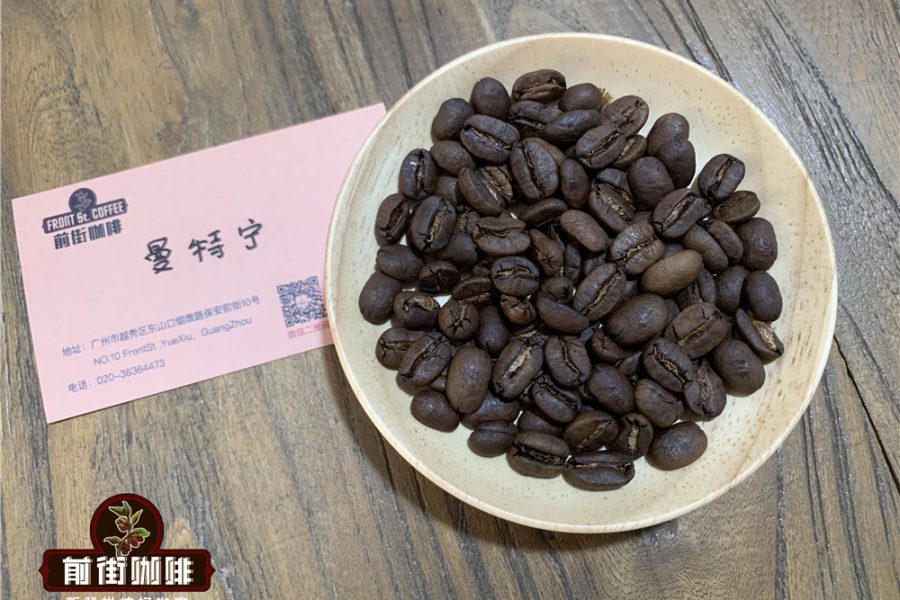
Introduction: Indonesian coffee is famed worldwide for its distinctive regional flavors, and Sumatra Mandheling in particular is a must-try for specialty coffee enthusiasts. This article takes an in-depth look at the flavor characteristics of Indonesia's main coffee-growing regions, reveals the secrets of Mandheling's medium-dark roast process, and recommends local brands worth trying. From growing altitude to processing details, it gives you a full picture of the coffee gold belt nurtured by this volcanic soil.
Discussions of the Southeast Asian coffee map often include Indonesia's neighboring origins. Coffees from Thailand, Papua New Guinea, Vietnam, and elsewhere show rich, full-bodied, and layered flavor profiles thanks to geographical proximity and similar climates. These origins produce beans with lively fruit acidity and a soft finish; the soil-fermentation notes characteristic of some Indonesian coffees are controversial, yet have become a signature flavor sought after by seasoned drinkers.
As the world's third-largest coffee exporter, Indonesia shifted toward an agricultural export strategy through policy guidance after the oil economy downturn of the 1980s. Besides coffee, the country's cloves, cinnamon, and other spices, as well as palm oil, are also renowned on international markets. Notably, local planting density is commonly 1,100–2,000 trees per hectare, and shade-growing is widespread—a practice that slows growth and allows coffee cherries to accumulate flavor compounds more fully.
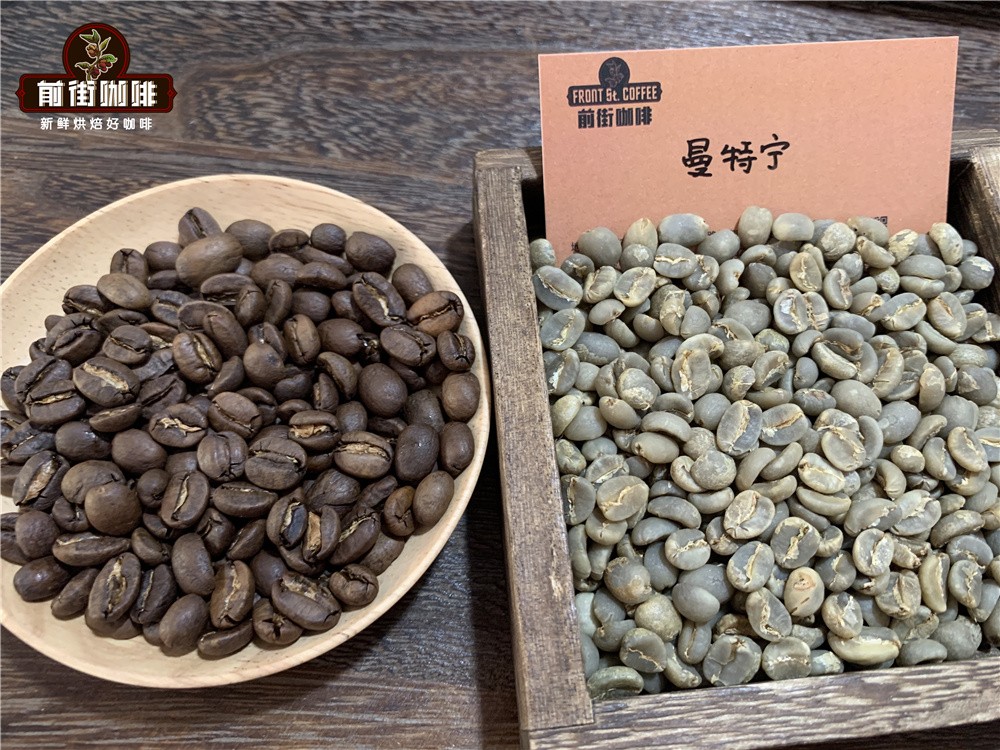
The Sumatra region is the essence of Indonesian coffee, with its three sub-regions—Mandheling, Lintong, and Ankola—all located on volcanic slopes at 2,500–5,000 feet. Mandheling coffee is known for the syrupy texture it develops after dark roasting, and its unique processing includes a hot-water pre-wash step before dry sun-drying; this unifies the appearance of the beans and improves flavor consistency. Fair-trade and organic-certified Mandheling is often described as a full-bodied drink with dark chocolate sweetness and a licorice finish, low in acidity yet richly layered.
Washed Arabica from Java shows a completely different style, grown mainly at about 1,400 meters on the eastern side of the Ijen volcanic complex. Compared with Sumatra's heavy body, Java coffee is relatively light-bodied but retains a distinct herbal finish, and its signature slight spiciness and smoky notes give it unique recognizability. Professional roasters suggest this category suits consumers who prefer bright acidity, and freshness has a particularly notable effect on its flavor expression.
Judging Indonesian coffee quality requires considering three major factors: the mineral nourishment provided by volcanic soil, the growth cycle slowed by high altitude, and the unique wet-hulling process. Sumatra and Sulawesi, with mature industry chains and government support policies, are perennial entries on Specialty Coffee Association recommendation lists. Notably, so-called 'civet coffee' originates in Indonesia, but this special category, processed through animal digestion, is ethically controversial, and the mainstream market favors high-quality Arabica from traditional cultivation.
On buying strategy, it is advisable to prioritize small-batch fresh beans with a roast date provided. A medium-dark roast (between City+ and Full City) better brings out Mandheling's earthy spice notes, while a light roast better highlights Java coffee's floral character. For home brewing, refer to: a coarse grind (similar to sea salt grains) with 92–94°C water, using a staged pouring method to control the extraction yield in the 18–22% range, which effectively balances body and acidity.
For consumers new to Indonesian coffee, start with Mandheling G1 grade and gradually explore the differences among processing methods. Remember that the flavor window of quality coffee is usually only 2–4 weeks after roasting; buy through proper channels products labeled with specific origin and processing method, and avoid being misled by the vague 'Indonesian coffee' label.


