Colombian Huila Coffee Bean Flavor Analysis: Excelso vs Supremo Grades and Pour-Over Tips
Introduction: An in-depth analysis of the two main green coffee bean grades from Colombia's Huila region—Excelso and Supremo—covering their screening standards and flavor differences. Drawing on key parameters such as regional altitude and washed processing, this article details the nutty-chocolate character of representative beans such as Huayueye and offers pour-over extraction reference plans to help you precisely grasp the balanced flavor of Colombian specialty coffee.
On coffee lovers' tasting lists, the name of Colombia's Huila region always occupies an important place. This valley area on the eastern slopes of the Andes, with its high-altitude advantage of 1,700–2,100 meters and a microclimate marked by significant day-night temperature swings, produces high-quality Arabica beans with distinct nutty aromas and soft fruit acidity. Among these, Excelso and Supremo, the two most common green bean grades in the region, are often confused by consumers, yet in fact conceal many detailed differences that affect the final flavor.
The core of distinguishing these two grades lies in screen size—Supremo-grade green beans must pass through a screen of 17/64 inch (about 6.75 mm) or larger, while Excelso grade is limited to the 15/64 to 17/64 inch (about 5.95–6.75 mm) range. It is worth noting that this physical size difference does not directly equate to higher or lower quality, 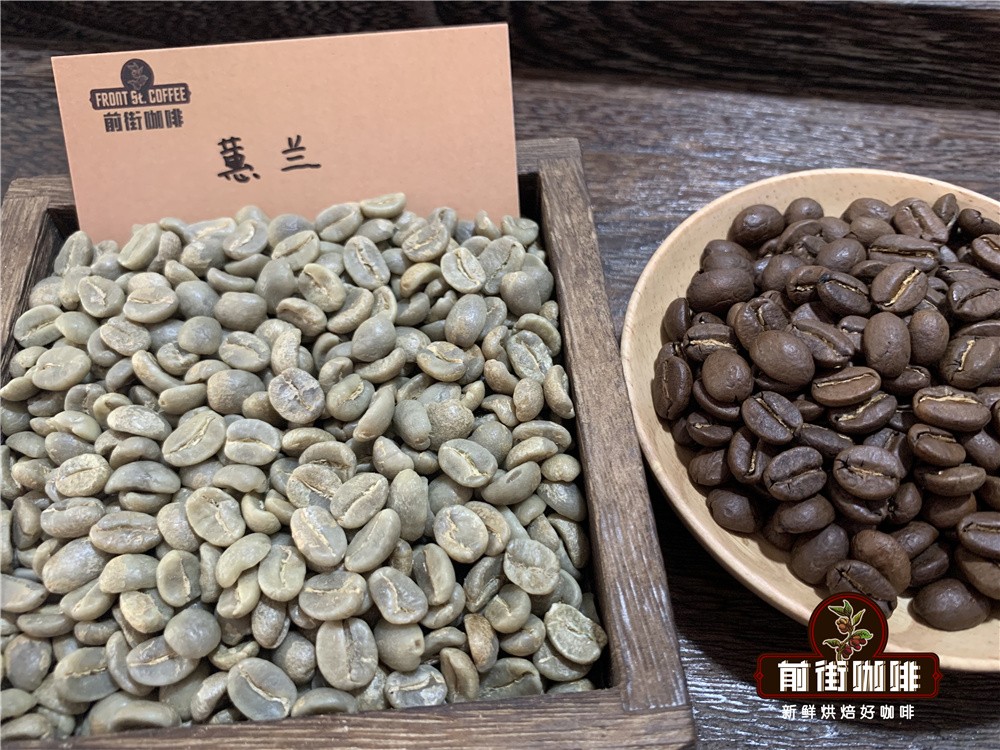 just as the size of a grape is unrelated to its sweetness; when Colombian coffee farmers use vibrating screening, they focus more on ensuring the uniformity of beans within the same batch to optimize roasting results. In actual production, some estates deliberately retain a small number of large Excelso-grade beans, because their internal structure often contains richer aromatic compounds.
The folk belief that "larger beans have better flavor" needs to be viewed dialectically: theoretically a larger bean body may indeed accumulate more nutrients, but the key factor that truly determines quality is green bean density. When professional roasters use flotation to remove low-density defective beans, they find that premium washed beans from the Huila region generally show a blue-green color and firm texture; such high-density beans release more uniform aromatic molecules during grinding, which is also the scientific basis for why coffee from this region is often described as "having a silky finish."
The unique terroir of the Huila region creates its signature flavor profile: coffee trees planted in volcanic soil, benefiting from an average annual rainfall of 2,200 mm and gentle slopes shrouded in morning mist, have a fruit ripening cycle extended to 9–11 months. During manual harvesting, skilled pickers must gently pinch with their fingertips to judge ripeness, picking only coffee cherries that show deep red. After 24–36 hours of pulping, the mucilage layer is removed in traditional fermentation tanks, and finally the beans are soaked and washed in flowing clean water and dried on African raised beds; this complete washed process preserves the variety's original floral and fruity character to the greatest extent.
For roasting applications of different green bean grades, it is recommended that Excelso grade is suited to light-to-medium roast (dropped at the dense stage of first crack), which can highlight bright citric acidity and a black tea finish; while Supremo grade, due to its higher density, is recommended to have development time extended by 30–45 seconds, better revealing layers of dark chocolate and caramel. For home brewing, refer to the following: when using a V60 dripper, Excelso-grade beans with a 1:15 coffee-to-water ratio, 92°C water temperature, and a center-pour technique can balance their lively citrus notes; Supremo grade is suited to lowering the temperature to 90°C and extending the bloom time to bring out the nutty base aromas.
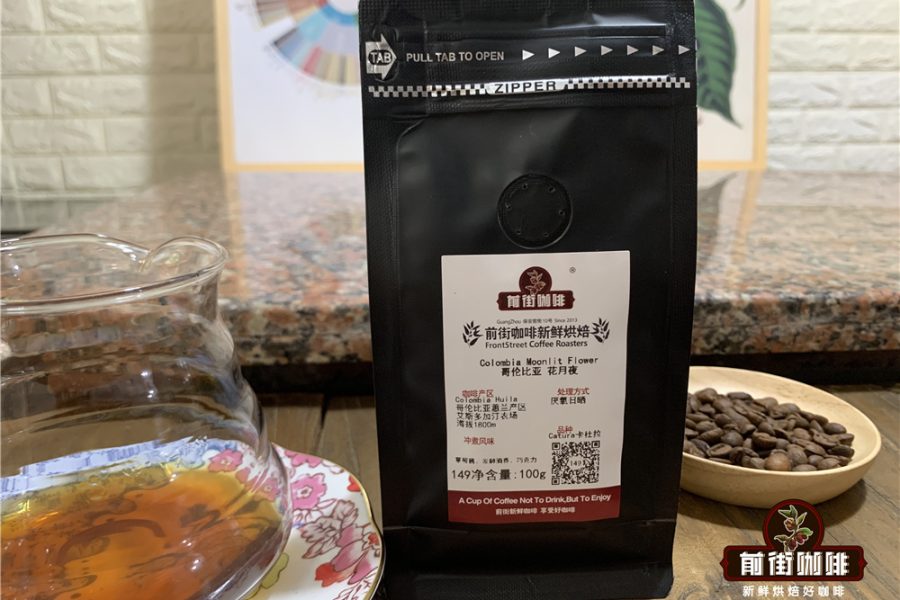
The so-called commercial names such as "Huayueye" commonly seen on the market are essentially traders' flavor interpretations of specific batches of beans from the Huila region. Genuine specialty-grade Huila beans, after washed processing, should show obvious body thickness and a three-stage flavor evolution—initial jasmine fragrance gradually transitioning to mid-palate roasted almond, with a finish of caramel sweetness with clear sweetness. For beginners, it is recommended to prioritize washed beans bearing the "Huila" origin label and clearly stating the processing method; by comparing batches from different altitudes (such as samples from 1,800 m and 2,000 m growing areas), one can more intuitively understand the patterns of microclimate influence on flavor.
It should be specially noted that the grading system established by the National Federation of Coffee Growers of Colombia, in addition to size, also comprehensively considers multiple dimensions such as defect rate (specialty grade requires no more than 5 per 300 grams) and altitude (SHB grade must be above 1,700 m). When you see the combined label "Supremo Excelso" while shopping, it usually means the batch contains beans of both grades, which, on the premise of ensuring flavor consistency, provides roasters with more flexible blending options.


