Honduras Montecillos Estate Bourbon: Flavor Profile and Farming Legacy
Introduction: Honduras, a key coffee-producing region in Central America, produces many high-quality coffee beans thanks to its high altitudes and diverse microclimates. This article introduces the country's representative estate, Montecillos, and explores how, through family heritage and meticulous cultivation, it produces Bourbon coffee beans with an elegant fruity acidity, while also explaining the key details from cultivation to post-processing.
Honduras is located in Central America, bordered by the famous Caribbean Sea to the north and the Pacific Ocean to the south, and adjacent to Guatemala, El Salvador, and Nicaragua. Its advantageous geographical location, together with a terrain that is mostly mountainous, with the highest altitude in the northwest reaching 3,000 meters and the south also exceeding 2,400 meters, provides an ideal growing environment for coffee cultivation.
The country's coffee cultivation is mainly concentrated in high-altitude areas, with the main varieties including Catuai and Bourbon. Under suitable altitude and climate conditions, these varieties can produce coffee beans with rich flavor, balanced taste, and a certain degree of body. It is worth mentioning that the Sherry coffee that became popular worldwide in 2019 originated precisely from the Honduran producing region.
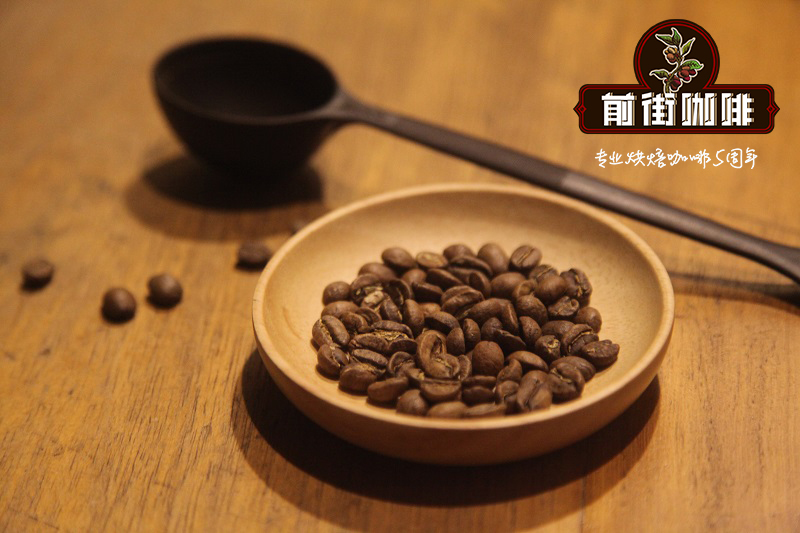
Among the many estates, Montecillos Estate is known for its refined Bourbon coffee, a variety with a delicate and elegant fruity sweet-tartness that is highly favored by coffee enthusiasts. The estate owner, Wilmer, has been involved in coffee cultivation since 1997. His love for coffee is reflected not only in daily farming but also in his ability to participate with his family in every step from cultivation to post-processing, a career that fills his heart with happiness.
Initially, Wilmer inherited about 4 hectares of family land, of which only 0.7 hectares were used for growing coffee trees. After years of effort and expansion, the estate now covers a total area of 20 hectares, of which nearly 18 hectares are dedicated to coffee cultivation, accounting for more than 80 percent. This expansion not only reflects Wilmer's dedication to coffee cultivation but also his continuous pursuit of quality.
Over the past five years, Montecillos Estate has focused on producing high-quality micro-lot coffees. To achieve this goal, the estate has continuously upgraded its processing plant facilities and post-processing equipment, carefully optimizing every step from cultivation and harvesting to processing and drying to ensure the purity and excellence of the final coffee flavor.
About 85% of the coffee trees on the estate enjoy natural shade. These shade plants are diverse and not only provide a suitable growing environment for the coffee trees but also help maintain ecological balance. During the harvesting stage, only coffee cherries at the best stage of ripeness are selected, ensuring high standards for the raw material.
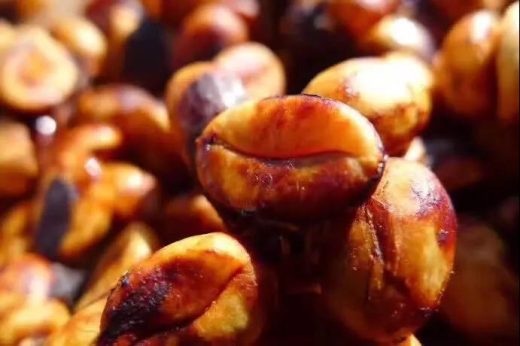
After picking, the coffee cherries undergo strict post-processing, in which the drying stage uses natural drying methods, lasting 18 to 22 days, to fully preserve the coffee's flavor characteristics. This patient and meticulous processing approach gives Montecillos Estate's coffee greater layering and uniqueness in flavor.
In 2017, Montecillos Estate, with its outstanding coffee quality, won an award in the internationally renowned Cup of Excellence (CoE) competition. This is not only recognition of the estate's efforts but also high affirmation of its coffee flavor. For enthusiasts who want to try high-quality Honduran Bourbon coffee, Montecillos Estate's offerings are undoubtedly a choice worth noting.