Indonesian Mandheling vs. Brazilian Coffee: Which Is More Bitter?
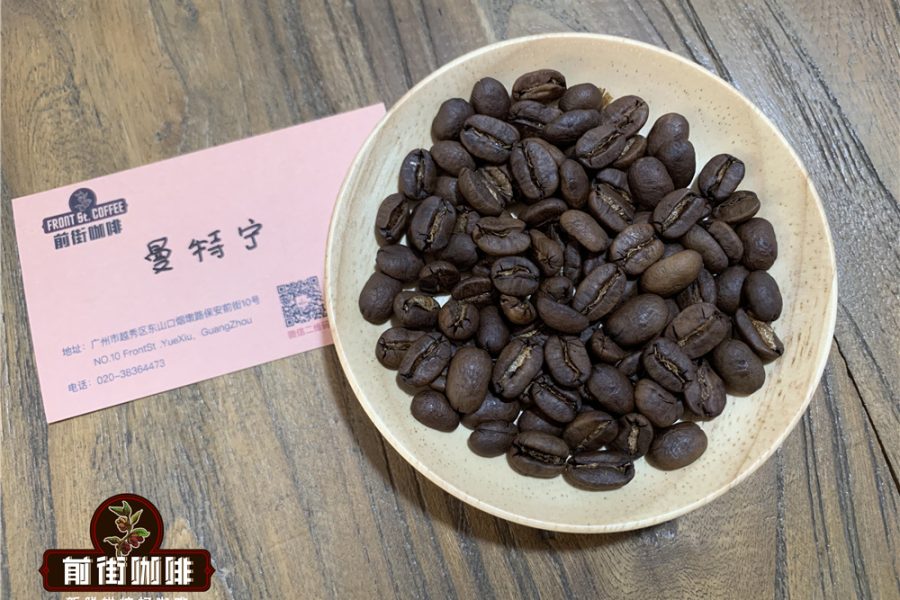
Introduction: Indonesian Mandheling and Brazilian coffee are representatives of two of the world's most famous coffee-producing regions: the former is known for its rich, earthy aroma, while the latter is known for its low acidity and balance. This article takes an in-depth look at the flavor characteristics, processing methods, and roasting suitability of these two coffees to help you find the choice that suits your taste, and answers the common question of 'which is more bitter'.
In the world of coffee, Indonesia, with its unique geographic environment and traditional processing methods, has produced coffee varieties with a distinctive style. Sumatra, as the main producing region, is home to many well-known coffee plantations, and the coffee produced there not only supplies the domestic market but is also exported overseas. The coffee varieties here are diverse, including S795, Andungsari, USDA 762, Kartika, and Tim-tim, each of which has a certain reputation among coffee lovers worldwide.
The most notable characteristic of Indonesian coffee is its rich and complex flavor. Unlike the mainstream profile that pursues sweet, juicy notes, Indonesian coffee often carries distinct herbal and earthy notes, making it especially suitable for drinkers who prefer a heavy-bodied cup. Among these, coffee from several regions of Sumatra is particularly famous, such as Gayo from Aceh, Lintong, Sidikalang, and Tanah Karo from the Bukit Barisan mountain range, Minang Solok from West Sumatra, and Lampung and Mandheling in the south.
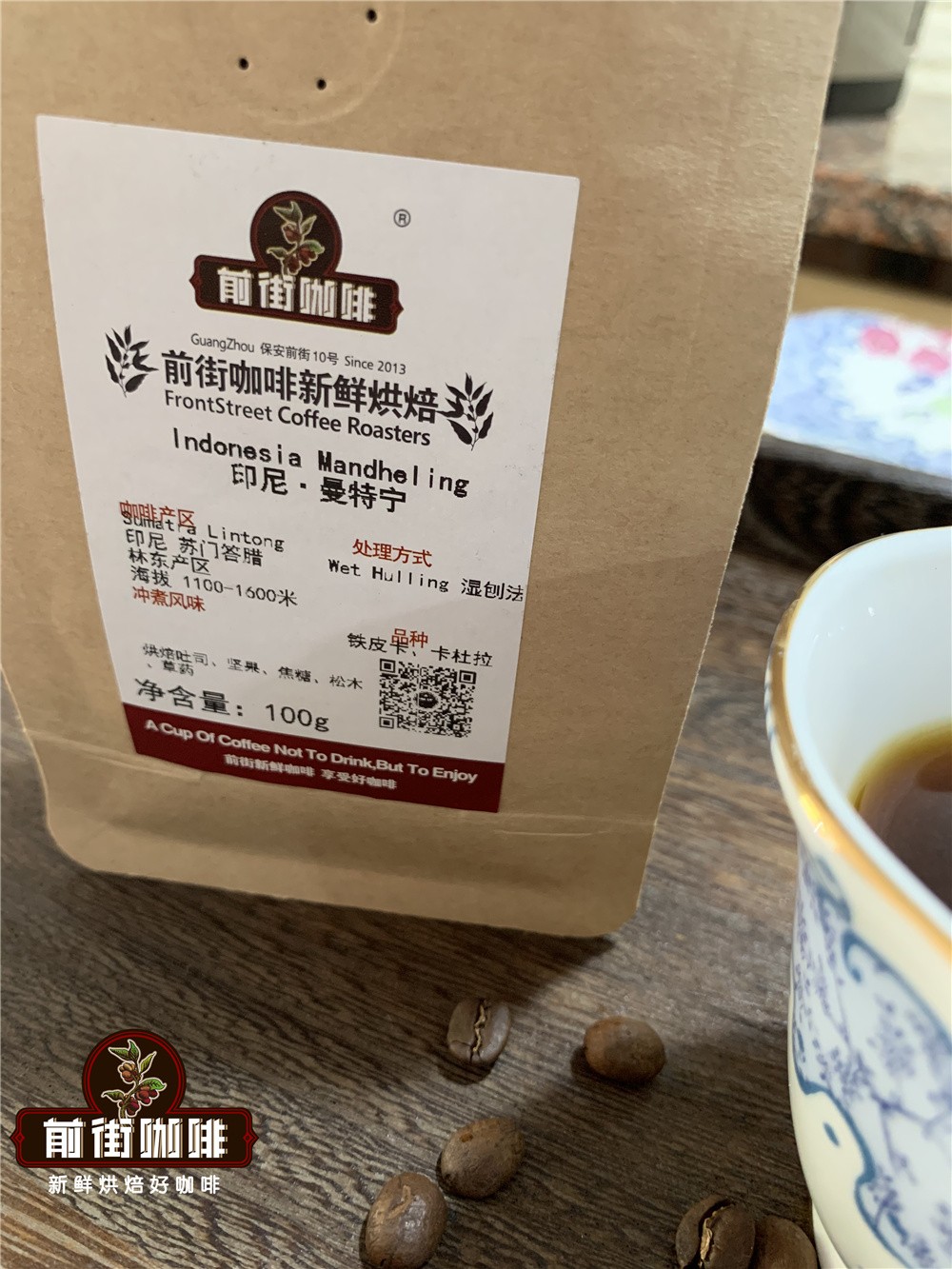
The unique flavor of these coffees is largely due to the local Giling Basah (wet-hulling) processing method. In this process, growers usually remove the parchment when the beans' moisture content drops to 12% to 15%, and about half of Indonesian farmers use this method. After mechanical hulling, the beans continue to dry. This process lowers the coffee's acidity while giving it a rich, full body with herbal, earthy, and distinctive chocolate aromas. Other common flavors include cedar, sweet tobacco, and spices, with an overall balanced and layered flavor. Mandheling coffee is a typical representative of this flavor profile, showcasing the outstanding quality of Indonesian coffee.
By contrast, the growing environment for Brazilian coffee is completely different. Because most coffee farms are located at low altitudes, including some flatland areas, this growing method causes the coffee cherries to ripen quickly and flavor development to be relatively limited. Brazilian coffee beans are usually less dense (harder) than beans from high-altitude regions, have weaker fruit acidity, and a relatively one-dimensional overall flavor. In particular, Rio coffee grown in coastal areas sometimes carries an iodine or salty taste; this special flavor is believed to be related to microbial action, but it does not appear every year, and not all coffee lovers can accept it. However, this flavor is quite popular in regions such as the Middle East, where coffee is customarily sweetened with sugar.
Brazil grows a wide variety of coffee, both Arabica and Robusta. Among them, Arabica coffee is mainly characterized by a smooth, low-acid, slightly sweet, and balanced cup. Although Brazilian coffee is generally considered to lack a distinct, prominent flavor character, it is an ideal base for blended coffee. When creating high-end yet affordable blends, Brazilian coffee can effectively balance other strongly flavored coffees; for example, the popular Mamba blend and Goa blend, among others, usually use Brazilian coffee as a base. In addition, Brazilian coffee is also one of the most widely used varieties in espresso recipes.
As for the question of 'which is more bitter, Mandheling or Brazilian coffee', the answer depends on the roast level and brewing method. Mandheling is usually given a medium-dark roast, which highlights its full body and rich aroma while also bringing out a more pronounced bitterness, making it very suitable for espresso. Brazilian coffee, although it can also be medium-dark roasted, has naturally low acidity, so it shows a balanced cup with relatively mild bitterness at light to medium roasts. If you are after a stronger bitter experience, medium-dark roasted Mandheling is undoubtedly the better choice; if you prefer a mild, balanced cup, Brazilian coffee is more suitable.
Whether you choose Indonesian Mandheling or Brazilian coffee, understanding their flavor characteristics and processing methods will help you better appreciate coffee's diversity. The next time you buy coffee beans, why not try different roast levels according to your personal taste preferences and explore the perfect cup that belongs to you.


