Yunnan Catimor vs Huaguoshan Coffee: Pour-Over Flavor Differences and Buying Guide
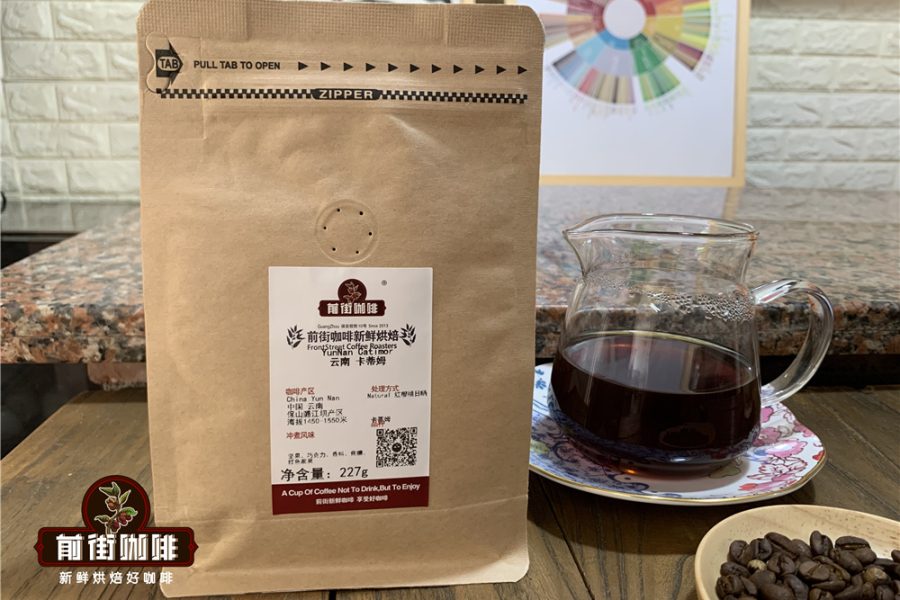
Introduction: This article takes a close look at Yunnan's two main coffee varieties, Catimor and Huaguoshan (Typica), comparing their growing altitudes, processing methods, and flavor wheel profiles, and the core differences in nutty notes, sweetness layers, and acidity liveliness. Professional roasting suggestions and pour-over parameter references are included to help you choose Yunnan specialty beans precisely according to your taste preferences.
China's coffee industry long relied on the old Bourbon and Typica varieties introduced from Myanmar in the 1950s, but today more than 70% of the growing regions have shifted to the more disease-resistant Catimor hybrid—a variety bred from Caturra and Timor that, with its high resistance to coffee leaf rust, has become the mainstay supporting 95% of Yunnan's coffee output.
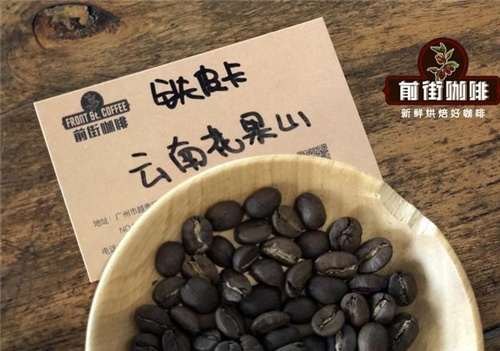 Yunnan lies in China's southwestern border region, adjoining Myanmar, Laos, and Vietnam, with the Hengduan Mountains running through the province and creating diverse microclimates. When China entered the world's top 20 coffee-producing countries in 2016/17, Yunnan alone accounted for 95% of that output. The region strictly selects washed Arabica beans with uniform screen size of 18 or above, among which Catimor and Typica (commonly called Huaguoshan) are the two most representative varieties.
Taking the Baoshan region as an example, the growing belt at around 1,200 meters altitude generally uses a pre-treatment process of hand-picking fully red cherries plus flotation to remove defects. The washed method requires controlling the mucilage fermentation time to 18–24 hours (adjusted according to temperature), followed by rinsing with clean water and drying on drying racks to a moisture content of 11%–12%; this process directly affects the purity of the final flavor.
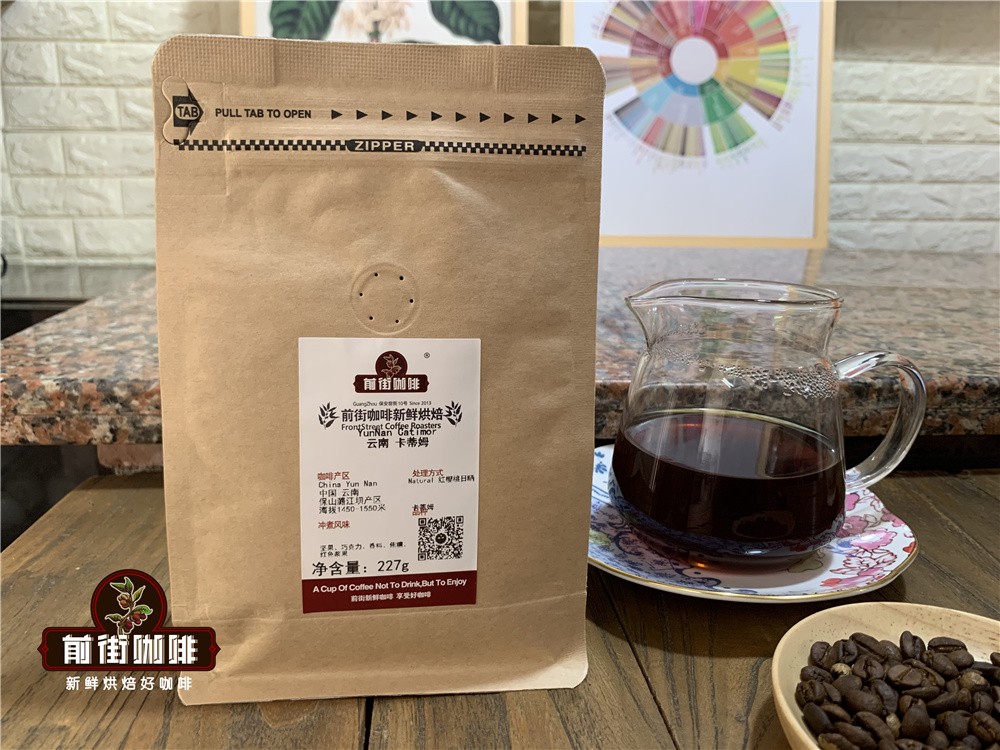 By traditional perception, Yunnan coffee is often labeled "low-acid and balanced," but individual varieties still show significant differences: Catimor (small-bean coffee), thanks to its Timor genes, has strong plant stress resistance but slightly less flavor complexity, typically showing a base of roasted nuts (hazelnut/Brazil nut), with black chocolate and caramel sweetness on entry, occasionally a faint fruit acidity in the finish (similar to green apple skin), and an overall body that is medium to full—suitable for consumers who prefer a rich, sweet aftertaste.
By comparison, Typica (Huaguoshan), as a classic old variety, retains more traditional Arabica characteristics—grown at 1,200 meters, it has bright citrus acidity (similar to blood orange), with white floral aromas (gardenia/jasmine) blooming in the mid-palate, sweetness focused on melon and maple syrup layers, and a finish that transitions naturally into a Ceylon black tea-like astringency. This variety is sensitive to roasting level, and medium roast (Agtron #65±3) best highlights its floral and fruity notes.
Practical brewing tests show that Catimor suits 92–94°C water with a 1:15 coffee-to-water ratio; a center-pour method is recommended to avoid over-extraction and the resulting woody taste. Typica, on the other hand, can be brewed with low-temperature slow extraction at 88–90°C (V60 dripper, 18 g coffee to 270 ml water, staged pouring), which further enhances its fresh acidity and layers. When buying, pay attention to the color of the green beans—high-quality Catimor is blue-green with a waxy sheen, while Typica is uniformly light green with a silvery skin sheen.
Whether you seek a rich, nutty everyday coffee or a specialty experience with fresh floral and fruity aromas, understanding the differences between these two main Yunnan varieties will help coffee lovers make more precise choices based on personal taste preferences.


