Yunnan Small-Bean Coffee vs Yirgacheffe: Flavor Differences and Origin Traits
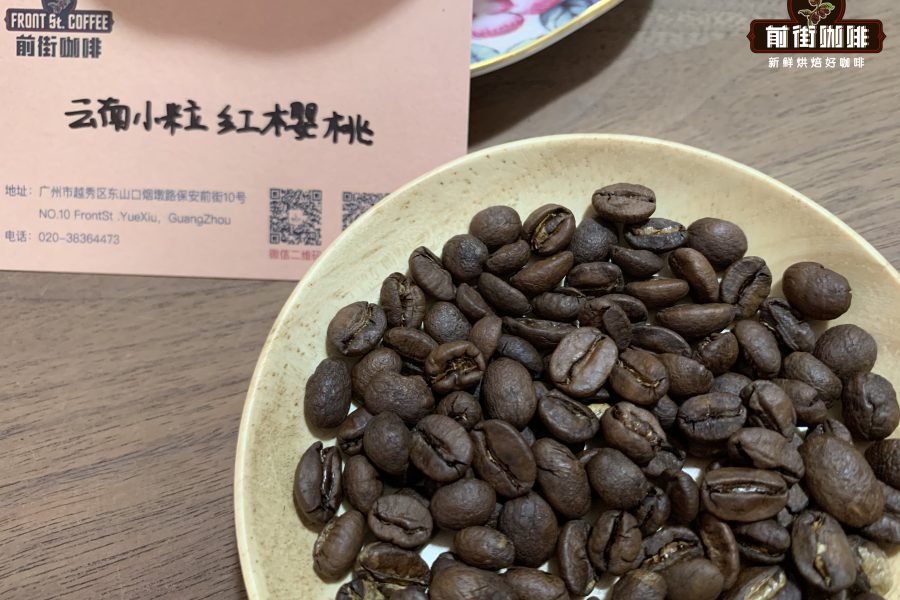
Introduction: This article provides an in-depth comparison of the flavor characteristics of Yunnan small-bean coffee and Ethiopian Yirgacheffe, detailing the differences in geography and processing methods between the two origins. By interpreting key flavor indicators such as citrus notes and floral-fruity aromas, as well as the impact of altitude and harvest methods on coffee quality, it helps coffee enthusiasts master practical tips for selecting specialty coffee beans, so they can find a suitable choice whether for pour-over or espresso extraction.
Although the Yirgacheffe region of Ethiopia belongs to the larger Southern Nations, Nationalities, and Peoples' Region (SNNPR), it is renowned worldwide for its unique coffee flavor. The local official administrative division is named Gedeo, but the name "Yirgacheffe" is widely used in the coffee trade—originating from the ECX (Ethiopia Commodity Exchange) labeling all coffee from the entire Gedeo area under this name. Behind this naming difference actually lies the coffee genetic code nurtured by this plateau at an altitude of 1700-2100 meters.
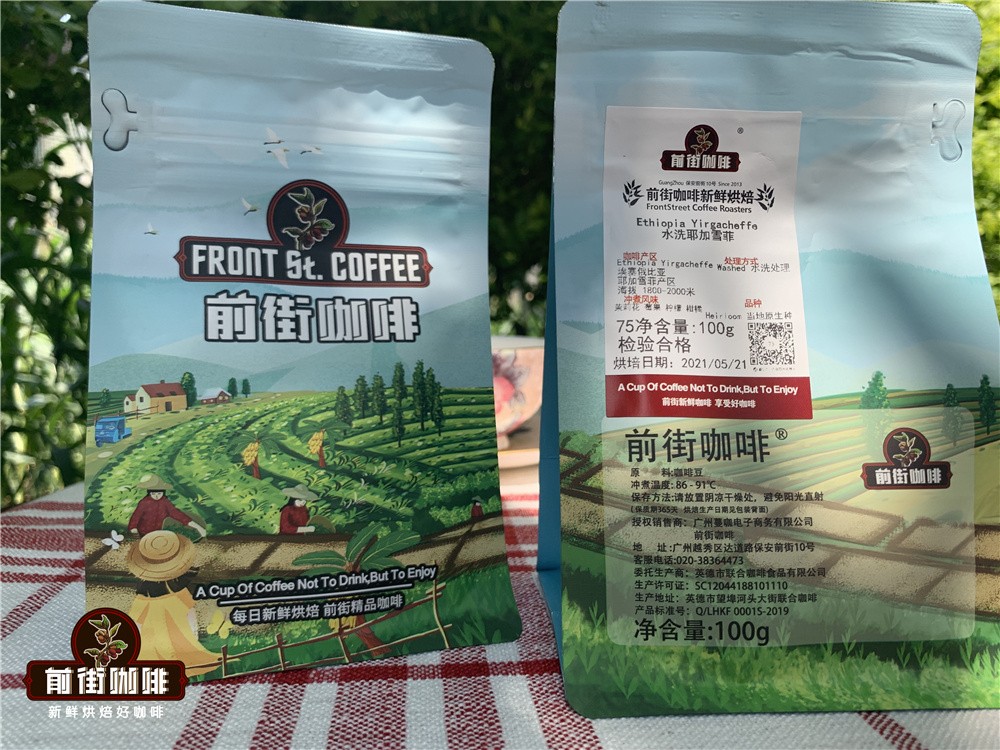
The outstanding quality of Yirgacheffe coffee comes from its complex fruit structure: an outer leathery skin wraps a mesocarp with prominent sweetness, and the viscous honey-like layer in the middle protects the precious coffee beans. After careful processing, these dark green raw beans ultimately present bright citrusy citric acidity and jasmine floral notes, entering the mouth as transparent as crisp lemon tea, with a tea-like lightness in the finish. This unique "tea-like" experience makes it an object of eager collection among specialty coffee enthusiasts worldwide.
The coffee fruit ripening season shows significant regional differences due to equatorial position: Northern Hemisphere origins concentrate harvest from September to March of the following year, while Southern Hemisphere regions, including Yirgacheffe, mostly carry out hand-picking in April-May. Professional coffee farmers use selective harvesting, picking only fully red ripe cherries—although this time-consuming and labor-intensive method increases costs by more than 30%, it is the key process for ensuring the flavor purity of Yirgacheffe.
Turning to China's Yunnan origin, this core region accounting for 95% of the country's coffee output, its 1800-2000-meter terraced altitude and distinct dry-wet monsoon climate provide an ideal growing environment for disease-resistant varieties such as Catimor. Local producers generally use washed processing combined with fine grading through screen size 18 and above to ensure uniform bean size. It is worth noting that the mild acidity formed by Yunnan's northerly latitude creates a flavor profile dominated by a nutty base and caramel finish.
In core growing areas such as Baoshan, Yunnan, the Catimor variety is often colloquially called "small-bean coffee" or "red cherry." After medium roasting (recommended drum temperature 195-205°C, development time 1'30"-2'), this type of coffee shows a clear three-stage flavor layering: the initial stage reveals roasted almond and dark chocolate notes, the middle stage transitions to caramel sweetness, and the finish retains a moderate slight acidity. This balanced characteristic makes it particularly suitable for cold brew coffee or milk-based coffee drinks.
Comparing the product characteristics of the two origins reveals significant differences: Yirgacheffe is known for its high acidity of pH 5.2-5.6 paired with bright citrus notes, and it is recommended to use 90-93°C water with a fine grind (75% passing through screen size 20) to highlight its floral-fruity aroma; Yunnan small-bean coffee, with its 11-13% moisture content and full body, performs better in the 88-91°C medium-temperature range, and a coarse grind (screen size 18) can better release nutty and chocolate flavors. Mastering these parameter differences can significantly improve the quality consistency of home brewing.


