Colombia's La Cristalina Castillo coffee: anaerobic fermentation and flavor

Introduction: A closer look at the Castillo coffee from La Cristalina farm in Colombia's Quindío region—from a century of family farming to a distinctive anaerobic fermentation process—and how this specialty coffee with pronounced sweetness and rich fruit aromas comes to be. The article includes detailed processing parameters, variety characteristics and flavor notes, offering coffee lovers a reference for choosing beans and brewing.
At the foot of the Colombian Andes, in the department of Quindío, lies a coffee farm surrounded by tropical rainforest and guadua bamboo—La Cristalina. This family farm of about 15 hectares has been passed down through five generations, and its current owner, María Mercedes Grajales, continues the family's century-old coffee-growing tradition. The farm mainly grows the disease-resistant and reliably productive Castillo variety, along with plantain, orange trees and other crops; 5 hectares are devoted specifically to cultivating high-quality coffee trees.
Each harvest season, the farm picks 13,375 kg of fresh cherries within 15 days, averaging about 891.6 kg per day. After picking, the coffee cherries undergo rigorous selection: first, unripe fruit is removed by hand; then floatation removes low-density defective beans; sorting continues throughout drying; and finally, at the milling stage, hand selection is carried out based on screen size and defect rate—a level of precision mechanical sorting struggles to achieve, ensuring every bean meets specialty standards.
Developed in 2005 by Cenicafe, Colombia's coffee research center, Castillo is named after researcher Jaime Castillo. This improved variety not only inherits the lineage of traditional Caturra but, through the introduction of leaf rust resistance genes, has become the most widely planted coffee in Colombia. Its shorter stature allows higher planting density, combining high yield with disease resistance, while its smaller fruit size suits dense cultivation.
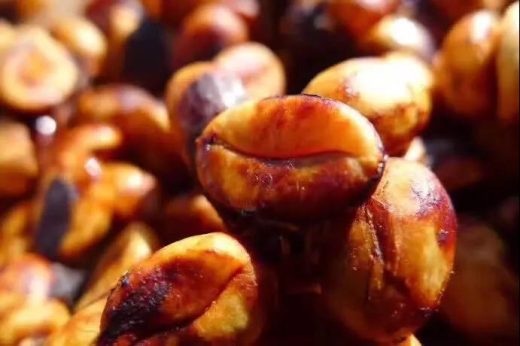
The coffee's distinctive flavor comes from an innovative anaerobic fermentation process. Unlike common natural processing, La Cristalina farm uses a dual fermentation system: first, the selected coffee cherries are placed in fermentation tanks for 36 hours of aerobic fermentation, stirred every 8 hours to balance temperature, with pH and Brix monitored in real time. Once the mucilage moisture drops to 40%, the beans are transferred to ECOTACT sealed bags for 24 hours of anaerobic fermentation—a process that significantly enhances the layers of fruit aroma and the expression of sweetness.
The fermented beans then enter the critical drying stage. The farm uses stepped temperature-controlled drying to bring moisture content gradually from 40% down to 11%, a process taking about 7 days. After drying, the beans are first stored in a mix of ECOTACT and sisal bags, then moved to a constant-temperature stabilization room at 20°C to age for 1–1.5 months, ensuring the flavors fully integrate before export processing. This meticulous drying management effectively avoids the uneven moisture common in humid regions, resulting in consistent quality.
Through a microscope-like selection process and scientific fermentation control, the Castillo coffee from La Cristalina farm shows bright citrus notes and caramel sweetness, with a finish that has the mellow texture of black tea. Suggested pour-over parameters: 92–94°C water, 1:15 coffee-to-water ratio, medium-fine grind (75% passing a Chinese standard No. 20 sieve); when pouring in stages, use just enough water in the first bloom to cover all the grounds. For coffee lovers who enjoy sweet fruit acidity and a clean finish, this specialty coffee from the foothills of the Andes is worth trying.