Colombian vs. Brazilian Coffee Beans: Caffeine Content and Huila Flavor Explained
Introduction: Have you ever wondered whether Colombian coffee really contains more caffeine than Brazilian coffee? And is coffee from the Huila region a black coffee? This article compares the two major coffee-producing countries across growing environment, processing methods, and flavor characteristics, and answers common questions about caffeine content and coffee types to help you choose beans more knowledgeably.
Colombian coffee is known worldwide for its layered flavors and consistent quality. Its cultivation history spans more than two centuries, and it has long ranked among the country's main exports. Thanks to the volcanic soils and high-altitude environment of the Andes (typically between 1,200 and 1,800 meters), together with abundant rainfall of about 2,000 mm per year and suitable temperatures, this is an ideal region for high-quality Arabica coffee.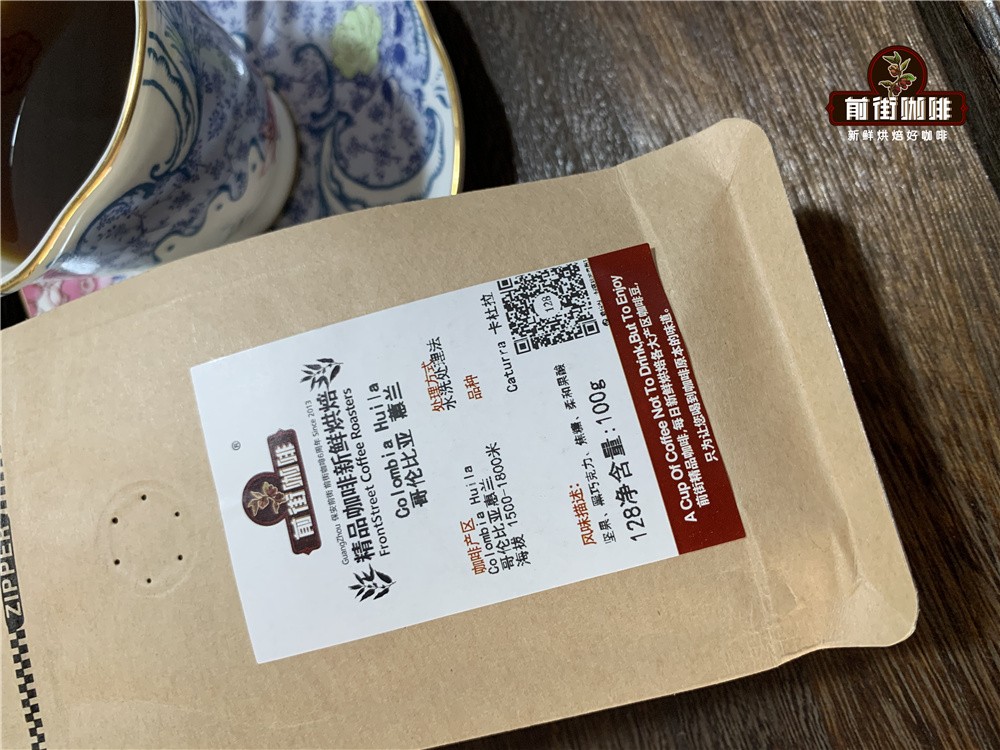 .
Local producers use a meticulous washed process—separating the coffee fruit from the pulp with water—which preserves more aromatic compounds and gives the coffee bright acidity and clean fruity notes. It is worth noting that although Colombia is the world's third-largest coffee producer (about 12% of global supply), more than 95% of its coffee trees are Arabica varieties, and the beans are mainly cultivated with care by smallholders on family farms averaging 2 hectares.
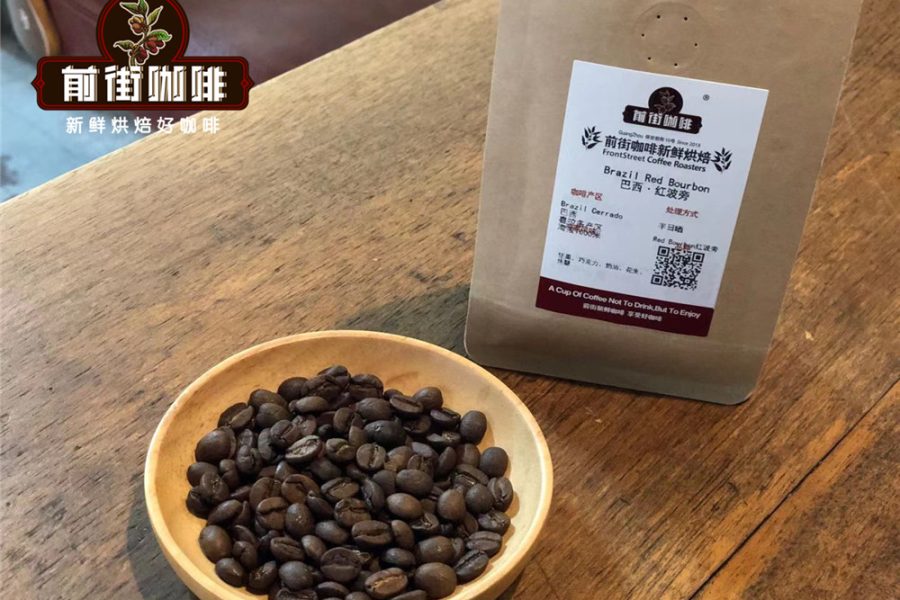
Brazil is by far the world's largest coffee producer, supplying about 60% of the global total. Its growing areas are generally at lower altitudes (around 1,100 meters). Although some regions meet the altitude standard for specialty coffee (900–1,200 meters), overall Brazil tends to produce full-bodied, low-acid beans. Common varieties such as Bourbon Santos and Cerrado, with their mild, balanced mouthfeel and natural sweetness, are frequent components of espresso blends.
A common misconception about caffeine content needs clarifying: Colombian coffee is not significantly higher in caffeine than Brazilian coffee. Arabica typically contains about 0.8%–1.2% caffeine, slightly lower than the Robusta that dominates Brazilian cultivation (1.7%–2.2%). However, because Colombian coffee is often given a medium-dark roast (developing caramelized, nutty notes) while Brazilian beans are often used for dark roasts (intensifying chocolate and smoky flavors), different roast levels may affect how efficiently caffeine is actually released.
Huila, a well-known producing region in southern Colombia, is prized for beans with vivid citrus acidity, a black-tea finish, and high sweetness—a classic specialty-grade black coffee. When buying, look for these parameters: washed process, altitude above 1,500 meters, and a defect rate below 11%; these indicators help ensure a purer flavor expression. For first-time tasters, a pour-over recipe to try: medium-fine grind (8–10 on the Chinese standard), water at 90–93°C, a 1:15 coffee-to-water ratio, and a brew time of about 2 minutes 30 seconds.
Whether you prefer the bright acidity of Colombian Huila or the fuller body of Brazilian beans, understanding how origin characteristics relate to processing methods will help you match your personal taste preferences more precisely. Remember, caffeine content is not the key factor determining quality—the combination of terroir and the art of roasting is what makes a good cup of coffee.


