Costa Rica Brumas Estate: Coffee Varieties and Regional Flavor Guide
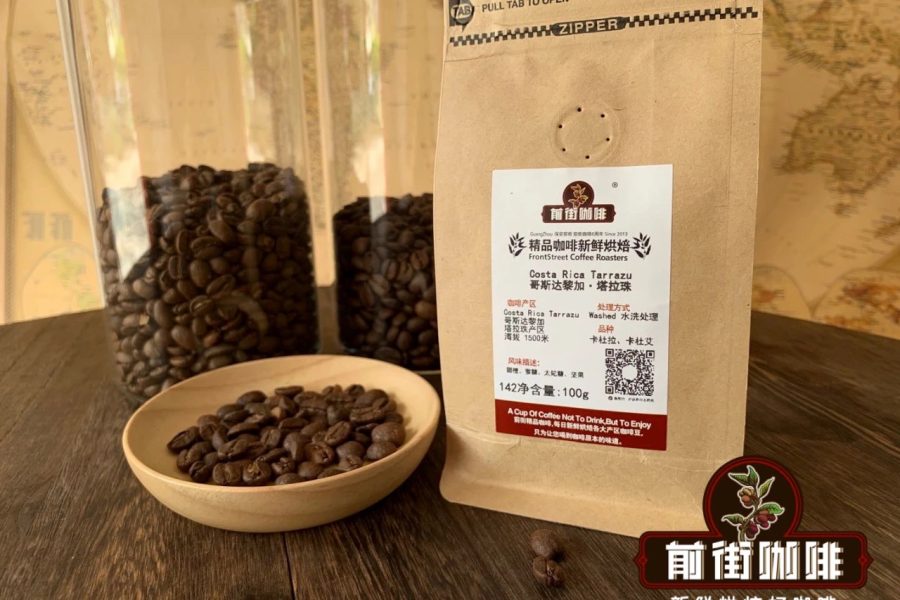
Introduction: Want to understand the unique appeal of Costa Rican specialty coffee? This article takes an in-depth look at the coffee variety characteristics of Brumas Estate and reveals the terroir secrets of the Central Valley and Fuego Phoenix regions. From honey processing techniques to the advantages of high-altitude growing, it guides you through the key points for choosing high-quality Costa Rican beans, with reference points for both pour-over and roasting.
Among specialty coffee enthusiasts, Costa Rican coffee has always held an important place thanks to its consistently high quality. This Central American country, with its high-altitude growing environment and meticulous processing methods, produces coffee beans that combine bright acidity with a full-bodied mouthfeel. Among them, Brumas Estate, a micro-producer that has attracted much attention in recent years, is a popular choice for pour-over lovers.
Brumas Estate's Technical Heritage
Brumas Estate belongs to the family of Juan Ramon Alvarado and Natalia Gomez, a family that has been deeply involved in coffee cultivation for more than a century. In 2002, they built a micro wet mill—Brumas del Zurqui. Family member Juan Ramon Alvarado is a leading figure in honey processing, and his technical strength was confirmed at the 2016 Costa Rica Cup of Excellence (COE), where the mill placed third. Even more noteworthy is that in 2015, El Beneficio, run by family member Natalia Gomez, drew on the honey processing expertise of Brumas del Zurqui to win second place at the COE.
The family currently manages several estates, including Zamora and La Nena. The coffee varieties grown include classics such as Bourbon, Caturra, and Geisha. The Geisha variety is planted on a trial basis on just 1 hectare, and its first harvest in 2017 was entered in the COE, earning an excellent 28th place.
Terroir Advantages of the Central Valley Region
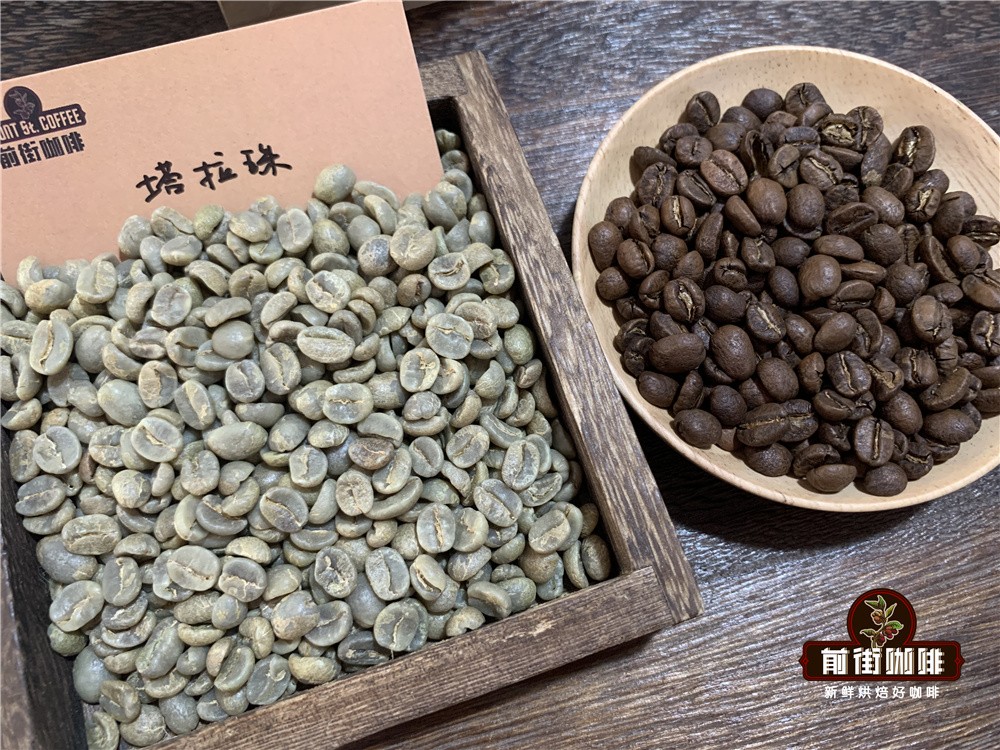
The Central Valley is the core region where coffee cultivation first developed in Costa Rica, and its climate provides an ideal environment for coffee growing. Annual rainfall is about 118 inches (roughly 3,000 mm), and the average temperature holds steady at around 19°C. Combined with high-altitude growing, this gives the coffee beans a hard bean density, rich aromatic layers, bright acidity, and a full, substantial body. These terroir characteristics make the Central Valley a gathering place for many specialty coffee estates.
Sustainable Practices at Fuego Phoenix Estate
Fuego Phoenix Estate, located in the Poas volcano foothills of the Central Valley, is a model of sustainable coffee growing in Costa Rica. This estate, which uses a fully village-level growing model, carries environmental principles through its entire production process: it collects rainwater for coffee processing and uses vermiculture to make organic compost, completely eliminating the use of chemical fertilizers and pesticides. The estate owner firmly believes that this organic farming approach not only protects the ecological environment but also safeguards the family's health.
Fuego Phoenix Estate pioneered the promotion of honey processing and natural processing in Central and South America, and the highlight of its coffee is its astonishing sweetness. When the coffee cherries ripen, their sweetness can reach 21-22%, and at harvest only fruit with sweetness above 20% is selected for natural processing. This strict selection standard creates the signature sweet flavor of Fuego Phoenix coffee, making it a preferred choice for coffee lovers seeking balanced sweetness.
For consumers who want to try Costa Rican coffee, it is advisable to prioritize estate products grown above 1,500 meters and to adjust the grind according to the brewing method. For pour-over, a medium-fine grind (similar to the texture of fine sugar) is recommended, with water temperature controlled at 90-93°C, which effectively highlights the bright citrus notes and honey finish of this type of coffee. Understanding these regional characteristics and variety traits will help you make more precise judgments when selecting coffee beans.


