Kenya SL28 and SL34: Varieties and Asaliya Factory Flavor Guide
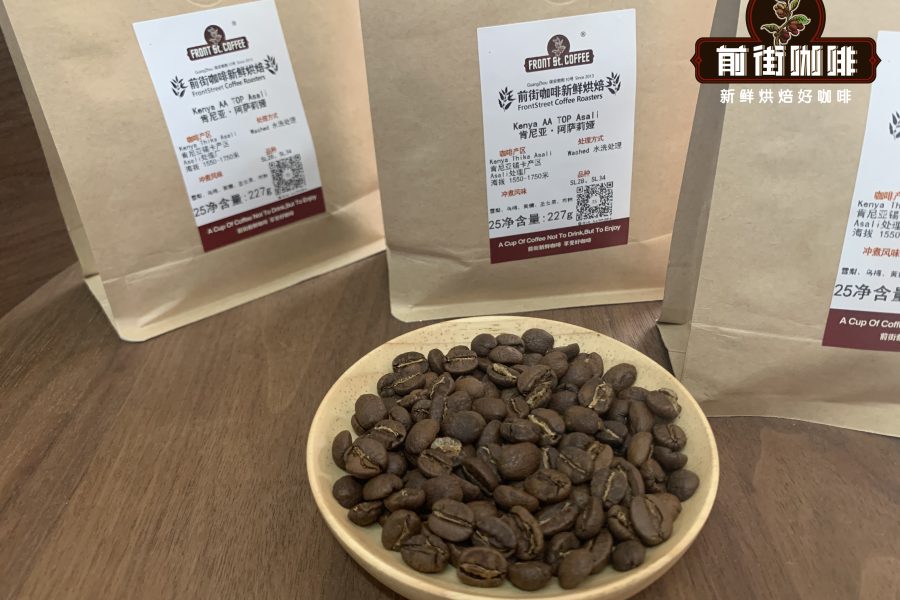
Introduction: This article takes an in-depth look at the origins, flavor characteristics, and growing background of Kenya's iconic coffee varieties SL28 and SL34, and reveals the Asaliya factory's distinctive washed processing. It will help coffee lovers understand how these high-quality varieties shape the distinctive character of Kenyan coffee, and provides a clear flavor map and tasting reference.
Kenyan coffee is known for its vivid sweetness structure and layered vinous notes; its flavor intensity and complexity are often compared to Ethiopia's Harar region, but it presents a more concentrated taste experience. This distinctive style comes both from the high-altitude growing environment and, even more, from two classic Arabica varieties—SL28 and SL34.
Both legendary varieties were born at Kenya's Scott Agricultural Laboratories (the abbreviation SL comes from this). The institution was established by the British colonial government in 1922, and its breeders, through systematic selection between 1935 and 1939, ultimately selected SL28 and SL34. Recent genetic testing shows that SL28 carries Bourbon lineage, while SL34 is related to the old Typica variety. They can maintain stable production under drought conditions, and this stress resistance remains an important cornerstone of the Kenyan coffee industry today.
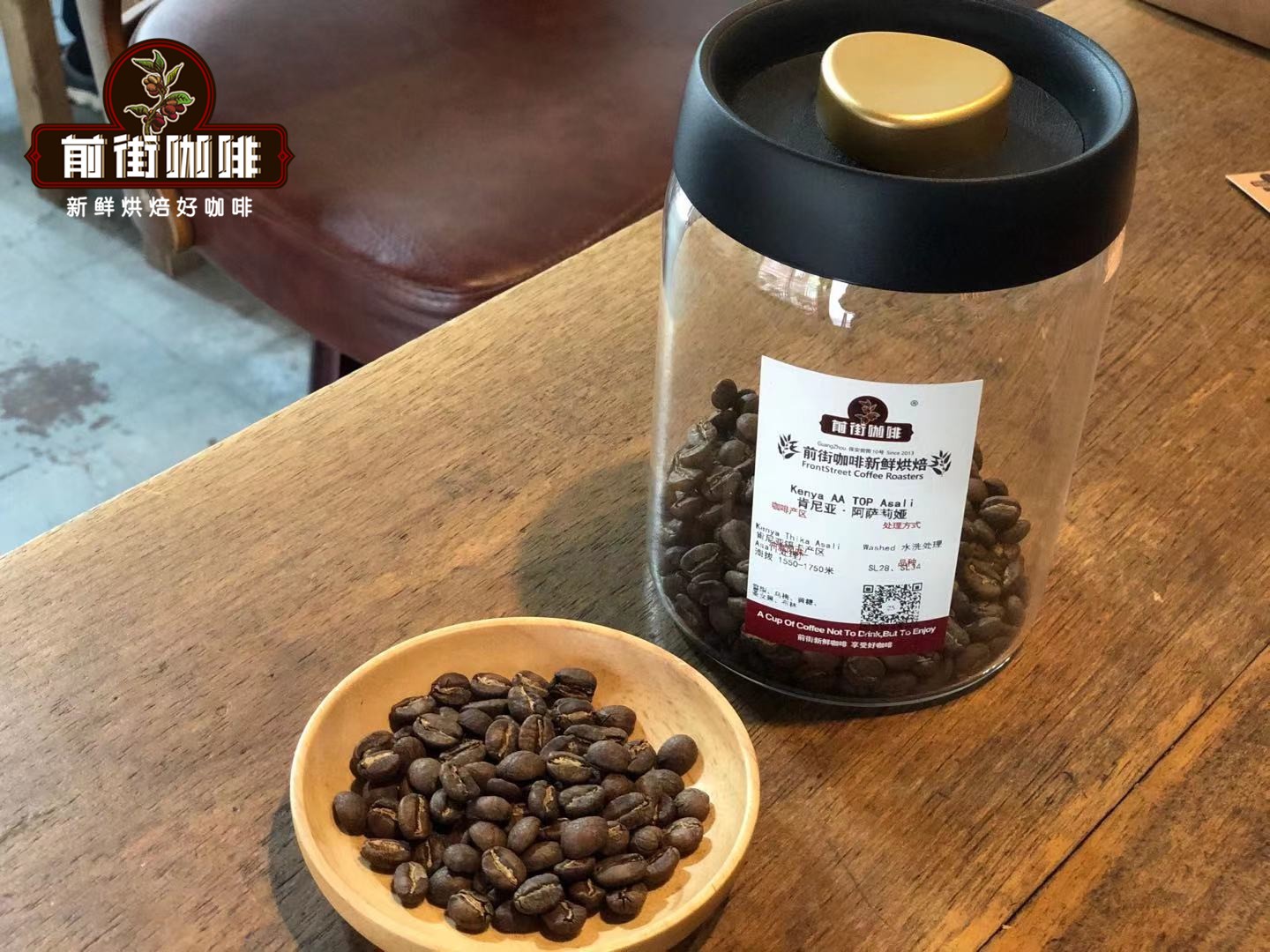
SL28 can be called the representative of Kenyan coffee flavor: its signature flavor is often described as the rich fruitiness of blackcurrant, accompanied by the lively presence of dark berries such as blackberry and raspberry, and some lots can even show the savory-sweet layers characteristic of ripe tomato. Even more remarkable is its perfect balance of bright citrus acidity and full juicy body, a trait that always earns it high scores in professional cupping. Growers should pay special attention—this variety is extremely sensitive to water deficit and requires shade growing with stable soil moisture.
By comparison, SL34 is more restrained but equally exciting: it is dominated by citrus acidity (such as lemon and orange peel), combined with a silky, full body. Although its impact is less than SL28, its stable quality makes it a base variety for many blended lots. Professional roasters recommend medium roasting for these two varieties (dropping at the dense stage of first crack), which preserves their flavor characteristics to the greatest extent.
The Asaliya factory (Swahili for "honey"), located in the Thika region of the East African Rift Valley, perfectly embodies the essence of Kenya's specialty processing. Although its name suggests "honey processing," the factory actually focuses on the traditional washed process: select high-quality coffee cherries of screen size 17-18, ferment after pulping, rinse repeatedly with clear mountain spring water, and finally dry in shade on African raised beds for about 21 days. This rigorous process creates its signature cleanliness and lively acidity.
As for the actual drinking experience of this factory's beans: freshly roasted lots release distinct ripe tomato aroma and jasmine notes at high temperatures (85-90°C); when the temperature drops to around 60°C, the crisp acidity of cherry tomatoes and the deep flavors of smoked plum gradually emerge. Recommended pour-over parameters: 92°C water temperature, 1:15 coffee-to-water ratio, V60 dripper with staged extraction (30-second bloom when the first pour reaches 1/3). It is worth noting that its body is between medium-thin and medium; when pairing with milk, choose whole milk to enhance the sweetness.


