Kenya Coffee Acidity: How Processing Shapes Flavor

Introduction: Kenyan coffee is known for its bright acidity, and its unique flavor is inseparable from high-altitude growing, volcanic soil and special processing methods. This article takes a deep look at how elevation and soil minerals shape layers of acidity, and breaks down Kenya's distinctive double fermentation process, guiding you through the key details from growing to cupping to improve your pour-over experience.
Kenya's main coffee-growing areas are distributed across highland zones at 1,400 to 2,000 meters above sea level, with significant day-night temperature differences. This environment forces coffee cherries to ripen slowly, and bean density rises accordingly, laying the foundation for flavor complexity.High-altitude growing areas usually come with cool nighttime temperatures, a condition that directly affects the development of the coffee bean's cellular structure.
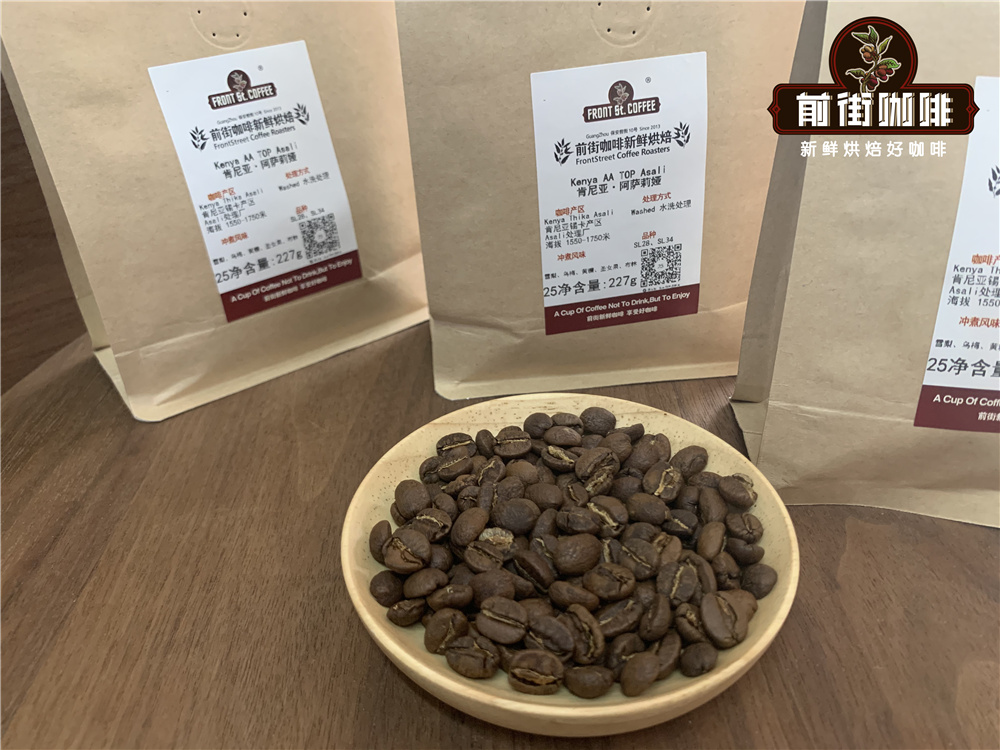
Volcanic soil is another key factor in Kenyan coffee flavor. The high volcanic plateaus around Mount Kenya, and the soils at the foothills of the Aberdare Range, are rich in minerals,especially phosphates. These soil characteristics are similar to those of Guatemala's volcanic regions, but Kenyan coffee's acidity is more pronounced—it has bright citrus notes and may also show a wine-like tannic finish.
Organic acids (such as fruit acids and citric acid) form the main body of Kenyan coffee's acidity, whileinorganic phosphates in the soilare absorbed through the roots and participate in flavor synthesis. Similar to the principle by which phosphoric acid added to soda water enhances refreshment, high-phosphorus soils are believed to enhance the liveliness of acidity. But actual flavor expression is more diverse: the Nyeri region commonly shows tropical fruit sweetness, Kirinyaga leans toward a balance of floral notes and slight saltiness, and the same plot in Kiambu County may produce berry or cocoa flavors depending on variety differences.
Compared with other coffee regions, Kenya's research on terroir factors is relatively limited. The detailed soil analysis common in the wine industry (such as monitoring the sun angle on slopes) is not yet widespread in coffee, which makes subtle differences between regions more reliant on empirical judgment.
Kenya's coffee processing is equally distinctive. After harvesting strictly follows the all-red-cherry standard, the following core steps are required:
1. Ferment immediately for 12-24 hours after removing the pulp
2. Rinse with clean water to remove the mucilage layer
3. Soak a second time in fresh water overnight
This process, known as "double soaking," has not been systematically studied to confirm its mechanism, but it is widely considered the key step in forming Kenyan coffee's unique cleanliness.
After drying, the coffee beans are graded and sorted by size,screen size 18 and above is classified as AA, and 16 as AB. Note that grading is based on physical specifications rather than absolute quality; some roasters particularly prefer the full-bodied character of AB beans, similar to how syrup lovers choose Grade B products.


