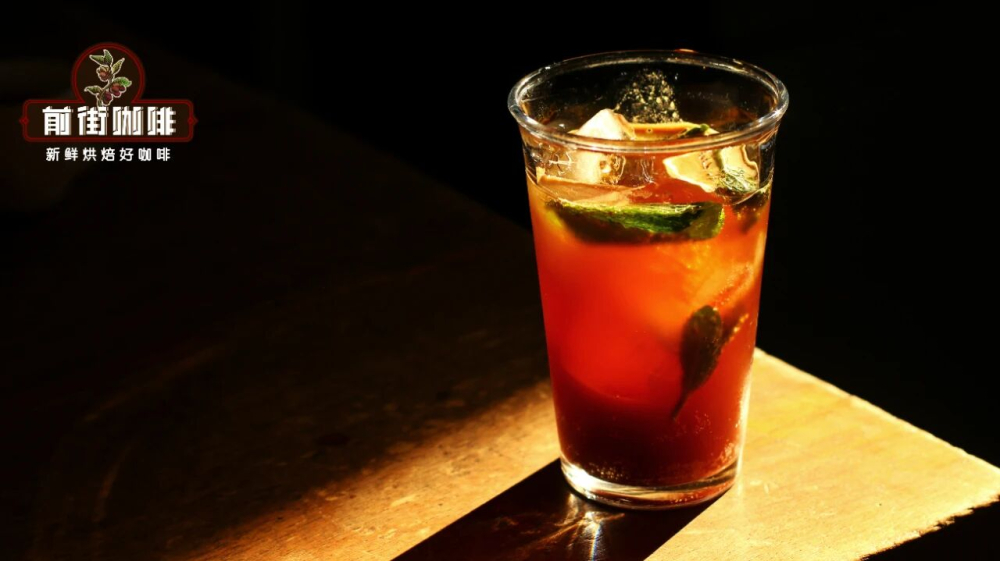
Cold Brew Coffee Beginner's Guide: Who It Suits, Bean Selection, and Home Brewing
Introduction: Cold brew coffee has become a popular summer drink thanks to its mild, low-irritation character. This article explains in detail the characteristics of the people cold brew suits, analyzing the different needs of everyone from the acid-sensitive to office workers, compares the flavor differences with hot-brewed coffee, and provides professional-grade cold brew parameters and home replication techniques. It focuses on how to choose coffee beans suited to cold brew according to bean characteristics, including key details such as grind size, coffee-to-water ratio, and refrigeration time, and finally recommends 6 bean pairing plans for different flavor tendencies to help you easily mix your ideal taste.
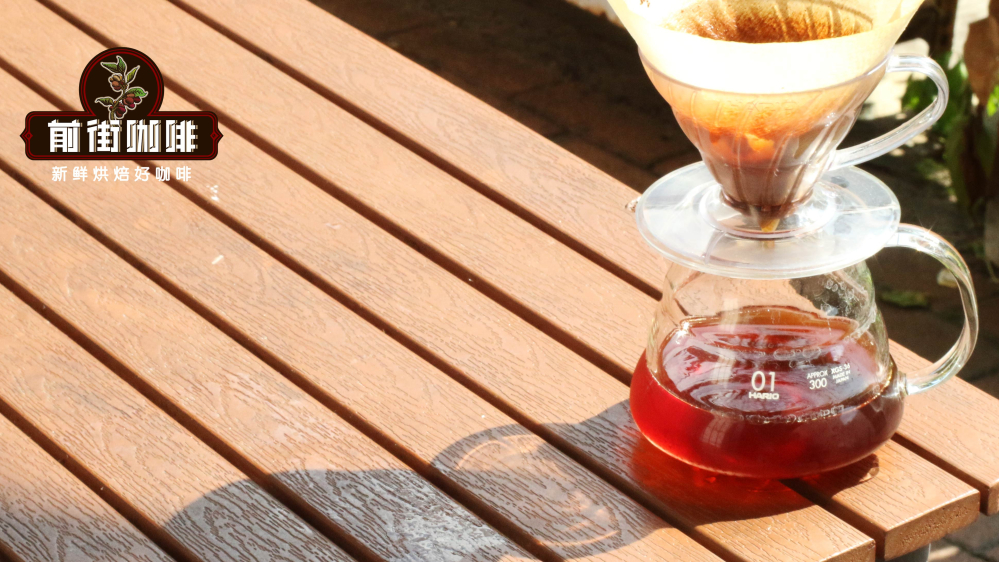
Cold brew coffee uses a long low-temperature extraction process, which is fundamentally different from conventional hot brewing. This method requires preparation 12-24 hours in advance. Although the options offered by shops are relatively limited, carefully selected beans often present more stable flavor performance. By extending the extraction time to dozens of times that of conventional brewing, the cold brew process can fully extract the aromatic substances in coffee while effectively reducing the precipitation of tannic acid and bitter components.
For consumers trying cold brew for the first time, it is recommended to prioritize their own taste preferences. People with sensitive stomachs will find the mild character of cold brew especially friendly; its pH is usually 1-1.5 units higher than that of hot-brewed coffee. Fitness enthusiasts can note the high retention rate of antioxidant substances in cold brew; actual measurements show that the chlorogenic acid content of cold brew coffee is about 18% higher than that of hot-brewed coffee under the same conditions. And in office settings, the fact that cold brew requires no heating makes it a convenient all-day drinkable choice.
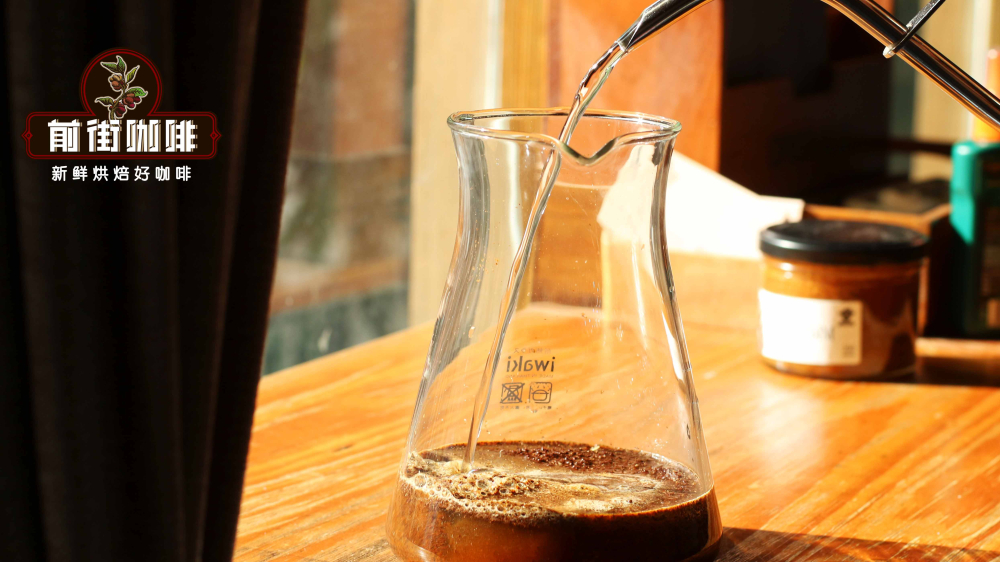
The core parameters for making professional-grade cold brew must be strictly controlled: the coffee-to-water ratio is recommended to stay in the 1:12 to 1:15 range, using a coarse grind (80%-85% passing through a No. 20 standard sieve), with the water temperature controlled at 0-4°C in an ice-water mixture state. After thoroughly stirring the ground coffee (a recommended single dose of 50-80 grams) with ice water, seal it and leave it to stand in an environment below 4°C. It is worth noting that adding an appropriate amount of ice cubes (150-200 grams of ice per 400 milliliters of water) not only maintains a low-temperature environment but can also achieve gradient extraction through slowly melting ice water, enhancing the flavor layers.
There is a clear divide regarding the choice of extraction duration: 12-16 hours suits those pursuing a refreshing taste, when the solubility of acidic substances is lower; 18-24 hours can develop a fuller sweetness and body, but beware of the risk of a paper-pulp taste caused by over-extraction. After soaking is complete, it is recommended to use filter paper together with a flannel double-layer filter to ensure the coffee grounds are completely separated. The resulting coffee liquid can be refrigerated and drunk within 48 hours, and the flavor integration is usually best after 4 hours of maturation.
The flavor profile of cold brew coffee shows distinct low-temperature extraction characteristics: the acidity value is 40-60% lower than that of hot-brewed coffee from the same beans, bitter substances are reduced by about 35%, but the volatile components of aromatic substances are retained more completely. The typical expression is an obvious nutty base, accompanied by moderate caramel sweetness and a unique lactic fermentation flavor. This characteristic makes cold brew especially suitable for showcasing the regional character of high-altitude grown beans, such as the blueberry fermentation feel of Ethiopian natural beans, or the jasmine aroma of Colombian Geisha.
When making it at home, you can try flavor-enhancement techniques: adding a small amount of sea salt (about 0.3 grams per 100ml) to the filtered coffee liquid can balance the sweet and salty layers; injecting nitrogen can obtain a dense foam to enhance the mouthfeel; blending with soda water at a 1:3 ratio can create a refreshing special drink similar to craft beer. Advanced players can build a flavor wheel to record the performance differences of different beans under cold brew conditions; for example, light-roast beans are more suited to highlighting citrus flavors, while medium-dark roast beans can develop the rich character of dark chocolate.
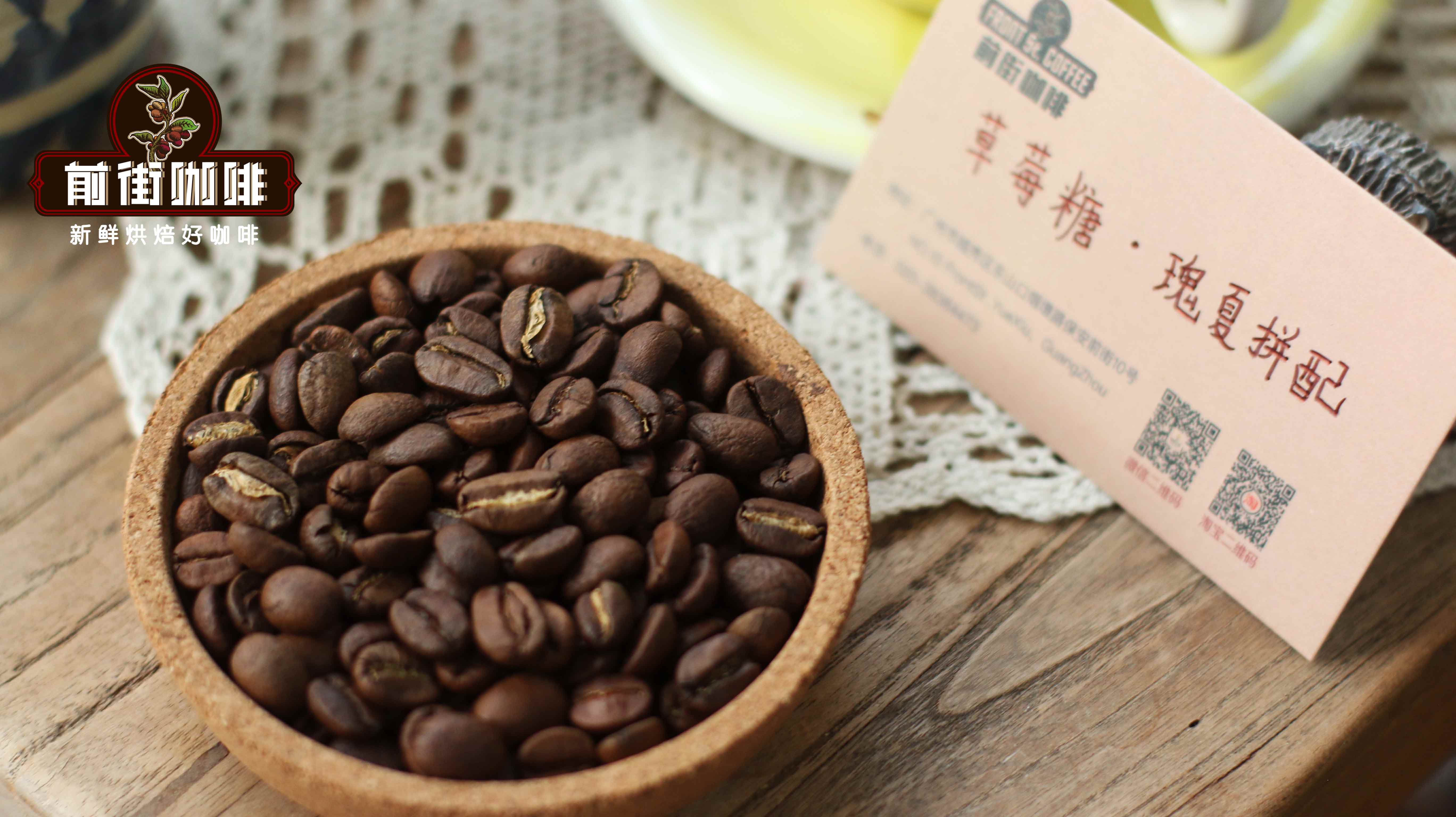
Bean matching plans for different consumption scenarios: those who prefer fresh floral and fruity notes can choose washed-process Ethiopian Yirgacheffe, which has higher citral and linalool content and can present an obvious bergamot aroma under cold brew conditions; those pursuing a full body are advised to choose Brazilian Yellow Bourbon, whose high proportion of palmitic acid transforms into a unique coconut cream flavor under low-temperature extraction; experimenters who like special processing might try Indonesian wet-hulled beans, as cold brew can highlight their distinctive sandalwood and herbal notes.
The choice of grinding equipment directly affects extraction efficiency: conical burr grinders (such as the EK43s model) can produce a more uniform particle distribution, and it is recommended to adjust the grind setting 1-2 steps coarser than pour-over. If using a home electric grinder, a two-stage grinding method can be used: grind coarsely first, then fine-tune. It is worth noting that cold brew has relatively relaxed requirements for freshness; beans 7-21 days after roasting can instead show a more balanced flavor performance, which forms an interesting contrast with the characteristic of hot-brewed coffee pursuing its optimal tasting period.
The parameter optimization model commonly used by professional baristas includes three dimensions: basic parameters (coffee-to-water ratio/grind size), environmental parameters (temperature/time), and post-processing parameters (filtration method/maturation time). Experimental data show that under the same coffee-to-water ratio conditions, using a 0°C ice-water mixture can extract 12-15% more aromatic substances than room-temperature purified water, while reducing tannic acid precipitation by 20%. For users short on time, a staged cold brew method can be used: the first stage is 8 hours of room-temperature soaking to activate flavor substances, and the latter stage is moved to refrigeration to continue extraction, with the total duration still controlled within the 18-24 hour range.

Solutions for flavor defects: when excessive astringency appears, check whether the grind is too fine or the soaking time too long; if the flavor is flat and lacking layers, it is recommended to increase the coffee-to-water ratio to 1:10 or extend the extraction time; when an obvious off-flavor is encountered, confirm the water hardness (a recommended TDS value of 50-150ppm) and the cleanliness of the container. Advanced techniques include using pre-infusion to activate the beans (quickly wetting with 50°C warm water for 30 seconds), or adding a small amount of cane molasses to the ice water (5 grams per liter of water) to promote the transformation of specific flavor substances.

Analysis of the classic bean characteristics suited to cold brew: varieties with prominent floral and fruity notes should have a high content of ester compounds, such as the isoamyl acetate in Kenya AA that brings an obvious blackcurrant aroma; beans with a strong juicy feel usually have bright acidity and a low-density fiber structure, typically represented by the Geisha variety from Panama's Hacienda La Esmeralda; choices pursuing a rich mouthfeel need to pay attention to fat content (varieties with an oil content of 18% or more in green beans are recommended), as such beans can form a silky texture similar to milk during cold brew. It is worth noting that altitude differences among different producing regions significantly affect cold brew performance; generally speaking, medium-to-high altitude beans of 1500-1800 meters are more suited to showing complex flavor layers.