Coffee Bean Oil: Good or Bad? A Guide to Dark vs Light Roast Shelf Life
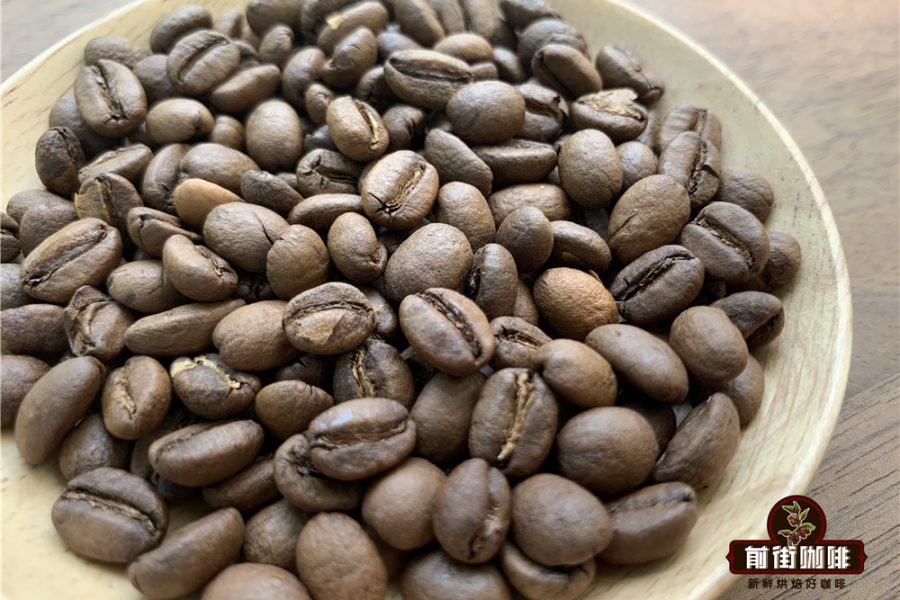
Introduction: A sheen of oil on the surface of coffee beans often confuses beginners, who may even mistake it for poor quality. In fact, the oil is a natural product of the roasting process, and its appearance is closely tied to roast level and freshness. This article explains what oily coffee beans really mean, reveals how dark and light roasts differ in flavor and shelf life, and offers key indicators for judging bean condition, helping you choose the right coffee beans for your brewing needs.
Many coffee enthusiasts and professionals misunderstand the oily sheen on coffee beans—some believe it signals declining quality, while others associate it with poor brewing results. In fact, this oil is not a defect but an inevitable result of the roasting process, and whether it appears depends on multiple factors.
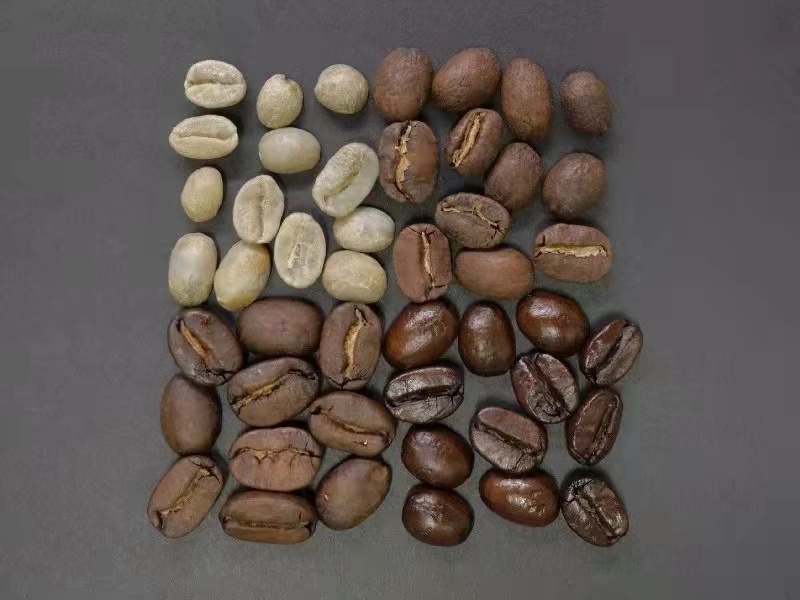
The oils inside coffee beans are gradually released during roasting, especially in dark roasts. These oils are crucial to the final flavor: they not only contribute the signature crema layer of espresso but also carry the rich aroma of dark-roasted beans. Take common medium-dark roasts from Brazil and Colombia as examples—their full-bodied mouthfeel partly comes from aromatic compounds in the oils.
The timing of oil emergence varies significantly. Light-roasted beans may take up to 3 weeks to show an oily sheen, while dark roasts (such as Spanish roast) may show a glossy surface as early as the first day after roasting. Typically, oil exudation is observed between 3 days and 3 weeks after roasting, so it is normal for freshly roasted beans to show no oil for the time being.
Note in particular: the appearance of an oily sheen actually indicates the beans are nearing the end of their peak flavor window. Once dark-roasted beans turn oily on the surface, their volatile aromatic compounds are lost more quickly, so drinking them soon is recommended. Roasts before second crack (such as some light-medium roasts), because the cell walls are not fully broken down, usually do not show obvious oil.
The flavor characteristics of dark roasts are polarized. Although the intense charred and smoky notes come from extended roasting time, sustained high heat also breaks down caffeine and sugars—this makes the actual caffeine content of dark roasts lower than that of light roasts and produces more pronounced bitterness. Nevertheless, their intense body and rich layers remain the first choice for techniques such as espresso.
By contrast, light roasts better preserve the coffee beans' natural sugars and aromatics. These beans typically show bright fruity acidity and floral-fruity notes, and they have stronger antioxidant properties, with a shelf life noticeably longer than that of dark roasts. The light-to-medium roasts favored in specialty coffee are precisely intended to highlight this clean, refreshing flavor profile.
Judging coffee bean freshness requires multiple dimensions: besides observing the oily sheen, also pay attention to the aroma intensity when grinding and the persistence of the finish after brewing. It is recommended to finish dark-roasted beans within 2-3 weeks after roasting, while light-roasted beans can be stored for 4-6 weeks. Regardless of roast level, sealed, light-protected storage is key to extending flavor.


