Espresso vs. Filter Coffee: Roast Differences and a Brazilian Bean Guide
Introduction: Have you ever wondered whether espresso must be made with dark-roasted beans? How should you choose beans for filter coffee? And are Brazilian coffee beans really only suited to espresso? This article breaks down the roasting logic behind espresso and filter coffee, reveals the flavor characteristics and suitable uses of Brazilian beans, and compares the caffeine content of the two brewing methods with data, helping you choose the right coffee beans for your needs.
Coffee is one of the most widespread beverages in the world, with about 90% of adults and 73% of children consuming caffeine daily. But many people hold misconceptions about the basics of coffee—for example, believing that all beans used for espresso and filter coffee must be dark-roasted, or assuming that Brazilian coffee beans can only serve as base blend beans. In fact, these views need to be reconsidered in light of roasting principles and bean characteristics.
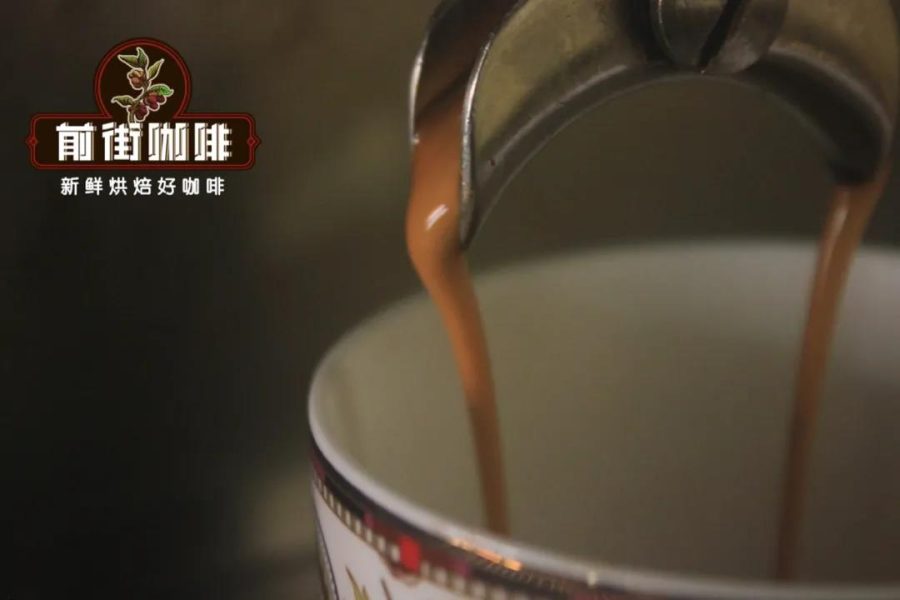
Traditionally, espresso has indeed tended to use dark-roasted beans.Dark roasting (usually taken to the stage of dense second crack through the end of second crack) gives beans lower acidity and fuller body while developing roasted flavors such as nuts, caramel and chocolate, and these traits are more easily highlighted in the high-pressure, fast extraction of espresso. By contrast, light-roasted beans (removed from the roaster shortly after the end of first crack) retain more fruit acidity and floral aroma, making them better suited to filter methods (such as pour-over and French press) that pursue a fresh flavor profile. However, this is not absolute—many specialty coffee shops today choose medium-roasted beans (held 1–2 minutes after first crack) to make espresso, balancing sweetness and acidity in layers.
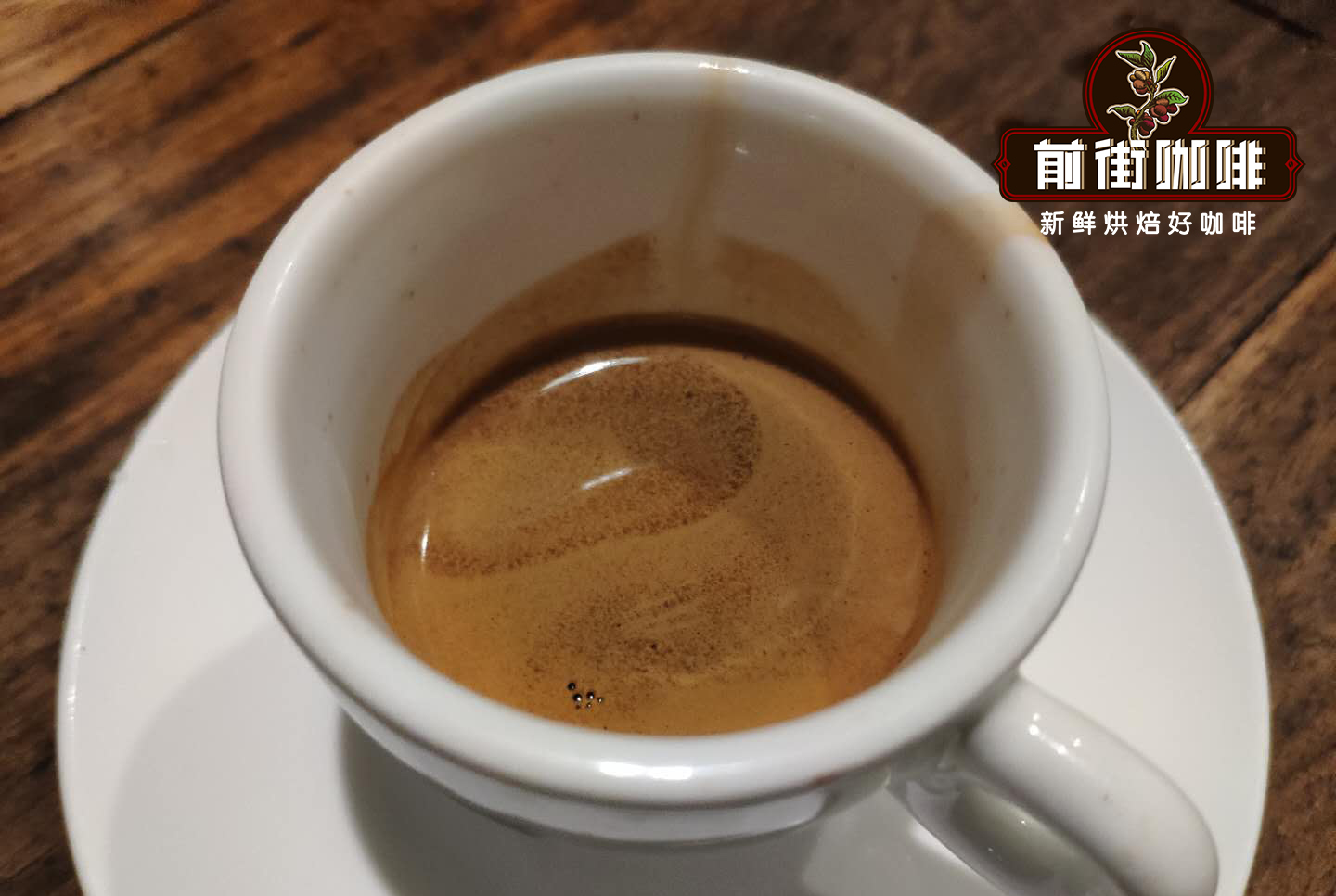
A common misconception about caffeine content is that espresso contains more caffeine because it tastes stronger.In fact, a standard single shot of espresso (about 30 ml) usually contains 60–80 mg of caffeine, while an 8-ounce (about 240 ml) cup of filter coffee can contain around 185 mg. This is because filter coffee uses a much larger volume of brewing water; although its concentration is lower, total caffeine intake is actually higher. Note that specific figures vary with bean type, grind size and extraction parameters (such as water temperature, pressure and time).
Brazilian coffee beans are often labeled "flat" or "unremarkable," but they actually have unique advantages. Most Brazilian coffee farms sit below 1,000 meters in altitude and use natural processing (sun-dried cultivation), which differs from the high-altitude shade-grown model prized in specialty coffee. Yet this environment is precisely what creates the signature flavor of Brazilian beans:extremely low acidity, prominent nutty notes (such as roasted almond and hazelnut) and caramel sweetness, medium-to-full body, with a faint chocolate finish. Their mild flavor and high cost-performance (thanks to large yields and easy cultivation) make them a common base for espresso blends—dark roasting strengthens the full-bodied base and balances the bright acidity of other origins; used alone, by adjusting grind size and extraction time (a grind close to fine granulated sugar is recommended, with an extraction time of 25–30 seconds), they can also produce a clean, smooth cup.
In summary, espresso does not have to use dark-roasted beans, but dark-roasted beans more easily bring out the body and roasted flavors it calls for; for filter coffee, you can choose light to medium roasts according to personal preference to match different flavor orientations. Although Brazilian coffee beans are not considered high-end specialty beans, their stable nut-and-chocolate profile and high adaptability provide reliable performance whether as the main component of an espresso blend or used alone to make Americano.


