Vietnamese Robusta Coffee: Flavor Analysis and Market Price Guide
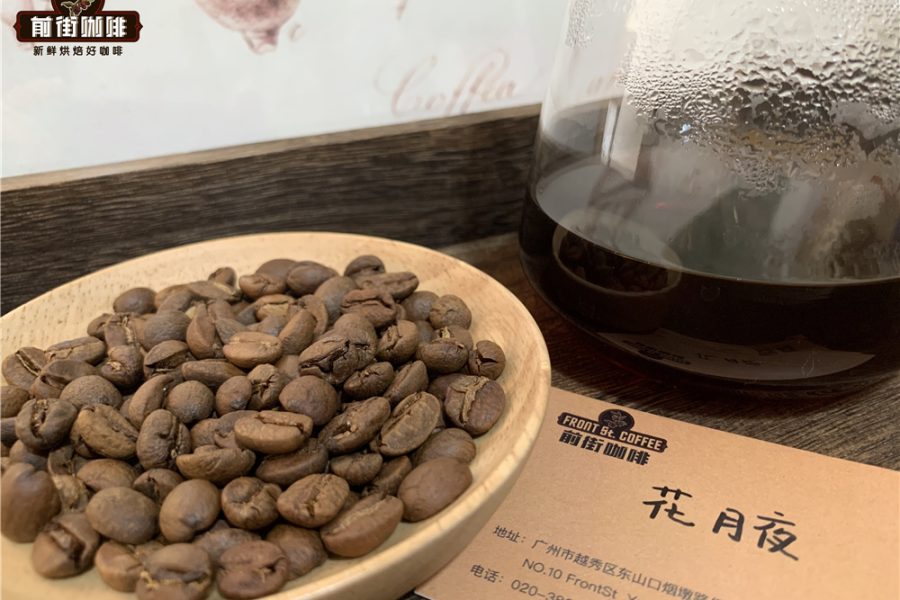
Introduction: As the world's second-largest coffee producer, Vietnam's Robusta coffee beans attract attention for their distinctive flavor and affordable prices. This article takes an in-depth look at the flavor characteristics of Vietnamese coffee, especially the natural advantages of the Robusta variety, and also provides market price references to help you understand what to look for when buying anything from basic to premium coffee beans. It also reveals the cultural origins of Vietnam's signature iced coffee.
Vietnam is not only an important coffee-producing region globally but is also known for its distinctive Robusta coffee beans. As the world's second-largest coffee producer, Vietnam contributes nearly 40% of global coffee output, with the Robusta variety accounting for more than 90% of that. This variety, often undervalued in the global coffee market, displays a unique charm in Vietnam.
Vietnam's coffee industry has clear regional characteristics. Although Brazil remains the world's largest coffee producer, Vietnam holds an important position in Robusta coffee thanks to efficient cultivation techniques and suitable climate conditions. Contrary to common perception, Vietnamese coffee farmers are full of confidence in the Robusta they produce—although this variety is often considered one-dimensional in flavor, it actually has a natural balance that Arabica finds hard to match.
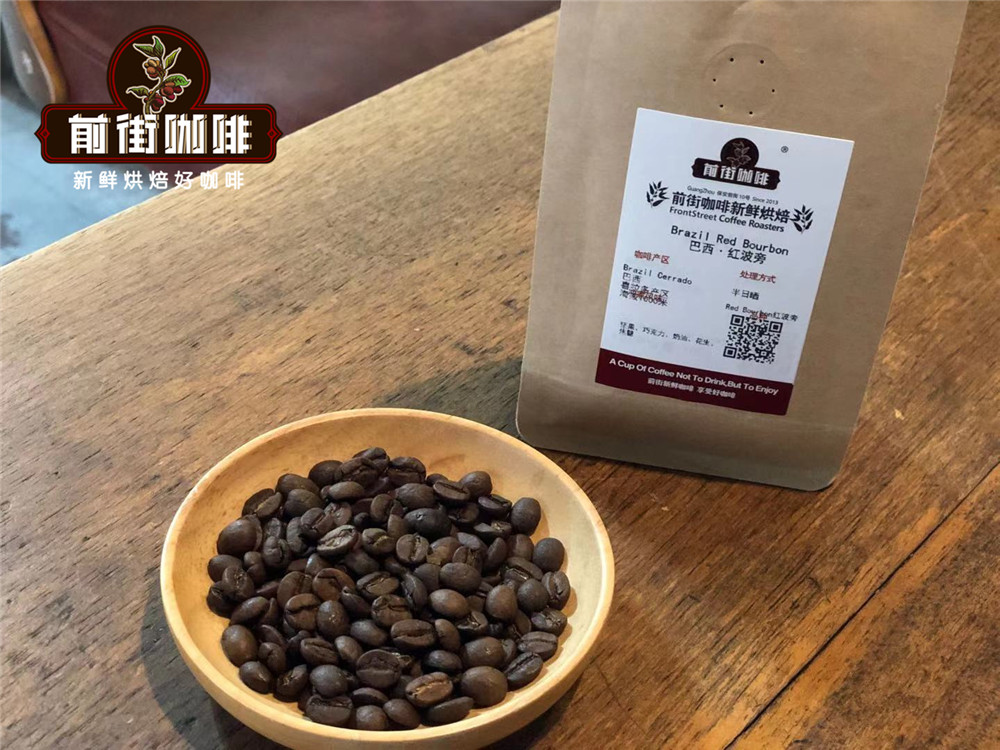
In terms of flavor, Vietnamese Robusta coffee shows unique advantages. Compared with Arabica, which is prone to sharp acidity or bitter defects, Robusta naturally has better flavor balance. Professional cupping shows that high-quality Robusta has moderate bitterness with distinct nutty and chocolate notes, and these qualities make it an ideal choice for espresso. Notably, Vietnam's traditional condensed milk iced coffee (Cà phê đá) makes clever use of Robusta's full-bodied character, creating its signature sweet-bitter balance through the pairing of a dark roast with condensed milk.
Regarding market prices, Vietnamese coffee shows clear stratification. The wholesale price of ordinary commercial-grade Robusta coffee beans usually stays at 15-25 RMB per kilogram (about 7.5-12.5 RMB per jin), a price range suitable for everyday drinking. Specialty-processed high-quality Robusta, such as products using natural sun-drying or special fermentation processes, may reach 50-80 RMB per kilogram (25-40 RMB per jin). On the international market, Vietnamese coffee products from well-known brands usually sell for 30%-50% more than at origin because of transport and packaging costs.
When buying Vietnamese coffee, pay attention to a few key details: first, check the roast date; freshly roasted coffee beans are best used within 2-4 weeks; second, note the grind size—medium-coarse grind (similar to the size of granulated sugar) is recommended for pour-over, while espresso machines require a fine grind; finally, storage—unopened coffee beans should be kept sealed and away from light at 15-20°C. For consumers who like iced coffee, the traditional Vietnamese method uses three-in-one instant coffee in a ratio of usually 1:3 (coffee powder:condensed milk:hot water), then adds an appropriate amount of ice.
The representative of Vietnamese coffee culture—condensed milk iced coffee—comes from farmers' ingenuity in dealing with the difficulty of preserving milk. Lacking refrigeration, locals creatively used condensed milk instead of fresh milk, paired with dark-roasted coffee beans and ice, unexpectedly creating this drink that has swept Southeast Asia. This recipe not only solved the storage problem but also formed a unique sweet-bitter balance, becoming an important symbol of Vietnamese coffee culture.


