Pour-over acidity explained: common acids and how to control it
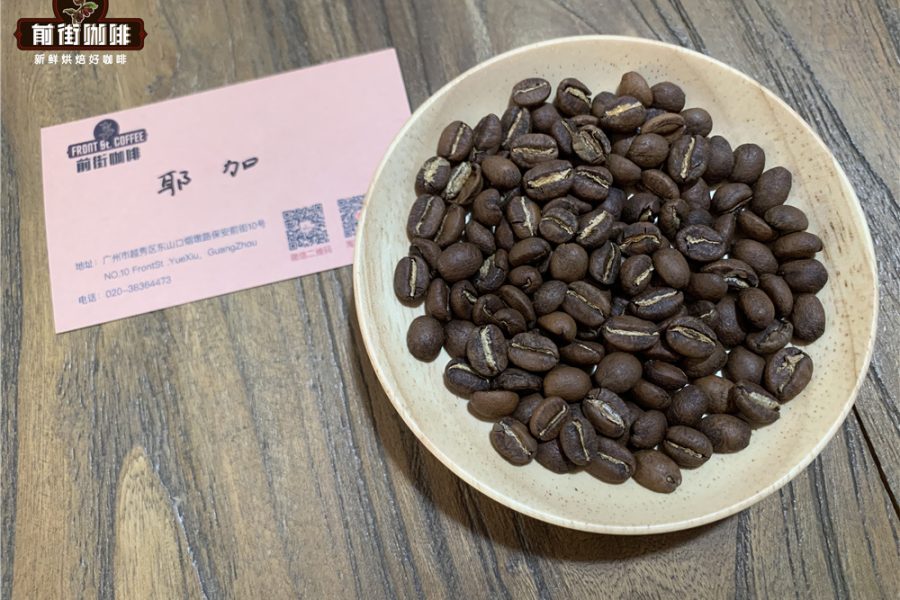
Introduction: Acidity is one of the key factors shaping coffee flavor, but excessive acidity may cause stomach discomfort. This article details the characteristics of six common acids in coffee, analyzes how brewing method, grind size and roast level affect acidity, and uses a Yirgacheffe case study to illustrate the flavor differences brought by different processing methods. With this knowledge, you can adjust brewing parameters to suit your health and balance the bright acidity with a milder mouthfeel.
As a globally popular beverage, coffee has won many enthusiasts with its unique flavor and stimulating effects. But in recent years, discussion has grown about whether coffee acidity may aggravate health issues such as gastroesophageal reflux. Understanding the acidic components in coffee and the factors that influence them helps us choose brewing methods suited to our own situation.
The pH scale used to measure the acidity or alkalinity of a liquid ranges from 0 to 14, with lower values indicating stronger acidity. Regular coffee typically has a pH between 4.85 and 5.10, placing it in the mildly acidic range. Green beans themselves contain various organic acids, including beneficial compounds that enhance flavor as well as substances that may irritate the stomach. Notably, although roasting can transform some acidic substances, it cannot completely eliminate coffee's natural acidity.
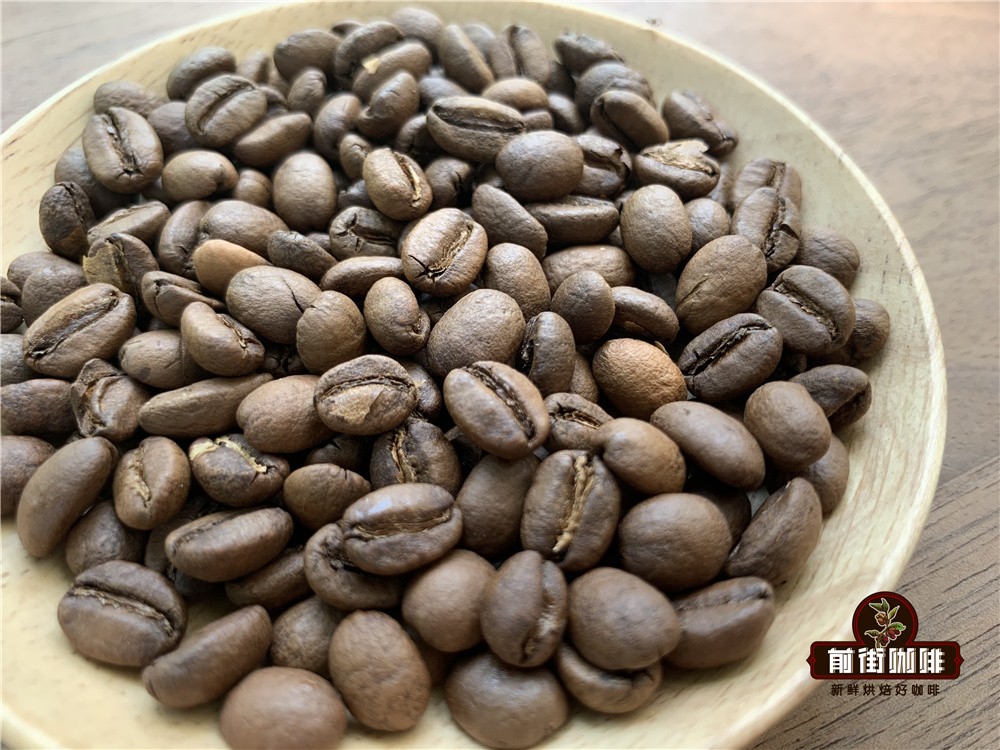
Brewing parameters significantly affect coffee acidity. Experimental data shows that cold brew, due to its low-temperature slow extraction, has about 30% lower acidity than the same coffee brewed hot. Extraction time is equally important—extending brewing beyond 4 minutes can reduce acidity by 15%–20%, while ultra-fast extraction within 30 seconds highlights sharp acidity. As for grind size, using medium-coarse particles above 800 microns (about the size of granulated sugar) reduces the dissolution of acidic substances by 18% compared with fine powder of 500 microns.
Roast level shows a clear negative correlation with acidity. Light-roasted beans (development time less than 15% of total roast time) typically have a pH of 4.9–5.0, while dark-roasted beans (development time over 25%) can reach a pH of 5.2–5.3. This is because high-temperature, prolonged roasting promotes esterification of acidic substances such as quinic acid, while also promoting caramelization of sugars to form roasted aromatics that buffer the mouthfeel.
The main acidic components in coffee each have their own characteristics: quinic acid can account for up to 35% of total acids in dark-roasted beans; although it is the main cause of stomach discomfort, it contributes a rich, dark-chocolate-like finish; acetic acid can reach 0.8% in over-fermented beans, producing a pungent odor resembling vinegar, but in moderate amounts it enhances freshness; tartaric acid brings a bright acidity similar to grape juice, with ideal levels kept between 0.5% and 0.7%; malic acid imparts a lively mouthfeel reminiscent of green apples, commonly found in Arabica beans at 0.3%–0.6%; and phosphoric acid is one of the few components that can convert sourness into fruity sweetness, with quality processing able to raise its proportion to about 12% of total acids.
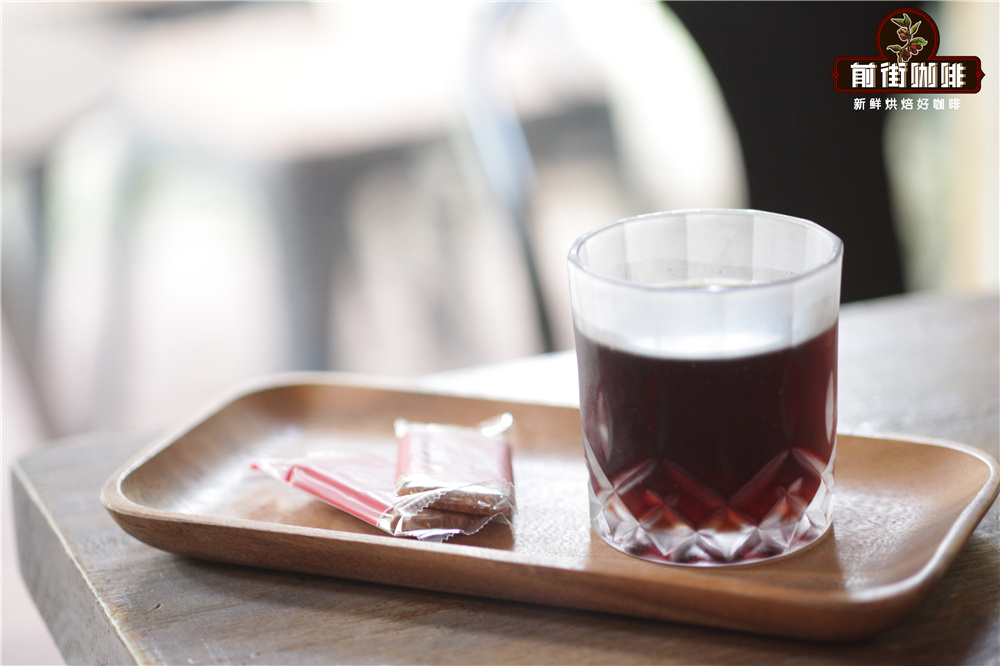
Take Ethiopian Yirgacheffe as an example: washed processing typically yields a pH of 5.05, presenting a clean, transparent citrus acidity with jasmine aroma; natural processing, retaining more sugars, gives a pH of about 4.95, with rounder acidity and blueberry fermentation notes. Both processing methods require moisture content to be reduced to 12% ± 0.5%, but washed processing removes the mucilage layer through tank fermentation, while natural processing relies on slow drying under direct sunlight. When brewing such high-acidity beans, it is recommended to use 92–94°C water with a medium-coarse grind and control extraction time between 2 minutes 30 seconds and 3 minutes, which effectively balances the sour, sweet, bitter and salty flavor layers.
For those sensitive to stomach acid, choose darker-roasted beans with higher pH (5.2 or above recommended) and extend extraction time, or switch to cold brew. In daily brewing, keep the coffee-to-water ratio between 1:15 and 1:16 (for example, 15 grams of coffee to 225 milliliters of water), which ensures strength without over-extracting acidic substances. Remember, the flavor balance of quality coffee comes from the harmonious coexistence of acidity, sweetness and body—finding the parameter combination that suits your taste and health is what matters.


