Americano vs. Latte: A Beginner's Guide from Extraction to Flavor
Introduction: Have you ever wondered whether Americano and latte are both based on espresso? Which has a better mouthfeel, a hot latte or an iced latte? This article takes an in-depth look at how these two classic coffees are made, their flavor characteristics, and the occasions for drinking them, guiding you through the key knowledge from basic preparation to advanced tasting so you can find the coffee choice that best suits your personal taste.
Although many coffee lovers regard espresso as synonymous with the essence of coffee, modern cafés have long since developed a rich and varied range of coffee types. Today we focus on two popular coffees—Americano and latte—and examine in full their brewing methods, flavor differences, and the secrets of hot versus cold preparation.
Whether Americano or latte, neither is possible without espresso at its core. Making a quality espresso requires carefully selected freshly roasted beans ground medium-fine; it is recommended to use water at 90-96°C and extract for 25-30 seconds at 9-10 atmospheres of pressure to obtain about 30ml of highly concentrated coffee liquid. During this process, the aromatic compounds and acidic components of the coffee beans are fully extracted, forming a rich crema.
Americano is essentially a diluted version of espresso. The standard recipe is 1 part espresso to 2 parts hot water, which preserves the coffee's original flavor while lowering the overall strength. Interestingly, this method is said to originate with American soldiers stationed in Italy during World War II, who found Italian espresso too intense and diluted it with water themselves. When making it, the water temperature is best kept between 85-95°C; too high a temperature causes over-extraction and a burnt, bitter taste, while too low a temperature fails to fully release the aroma. If you prefer a refreshing cold version, you can replace the cold water with an equal amount of ice, noting that the volume of ice must be counted in the total liquid.

Latte is an artistic combination of espresso and steamed milk. The standard ratio is 1:6:1 (espresso:steamed milk:milk foam), that is, 30ml espresso with 180ml steamed milk and 30ml dense milk foam. Unlike cappuccino, latte's milk foam is finer and lighter, and the proportion of milk is higher, so the texture is smoother and creamier. When steaming milk, heat it to 55-65°C while creating a microfoam structure with the steam wand; pay attention to controlling the angle and force to avoid damaging the milk fat structure.
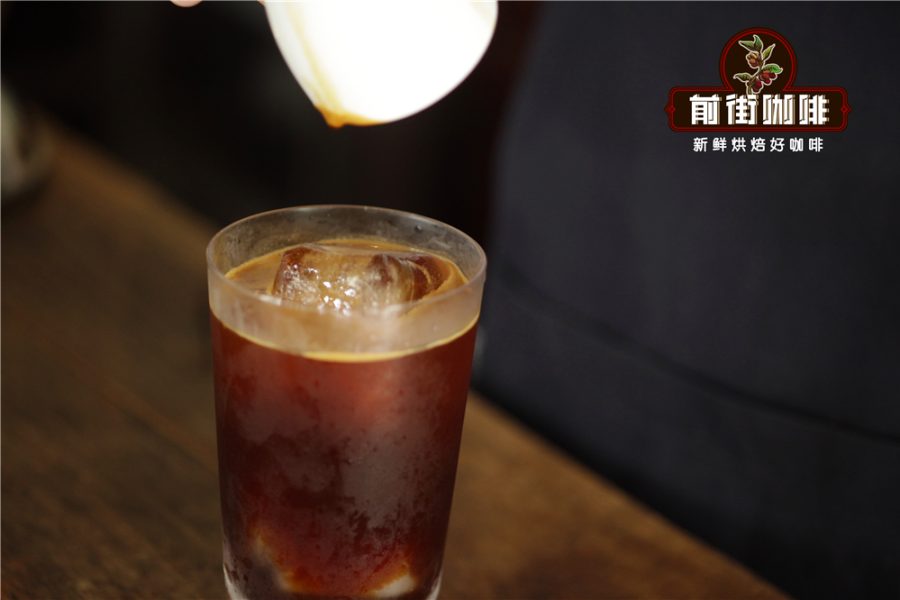
The cold version requires some care: first pour the espresso directly into a glass filled with ice (leaving 1/4 of the space to prevent overflow), then quickly shake the condensed milk and sweetener together (shaking vigorously in a sealed jar for 15-20 seconds is recommended), and finally slowly pour in the milk. This method preserves temperature layers in the coffee while distributing the sweetness evenly. Professional baristas advise that iced lattes are best made with refrigerated milk (around 4°C), which slows the melting of the ice and maintains a stable texture for longer.
In terms of flavor, Americano displays the more distinct original character of coffee—a strong bitter-sweet balance, clear nutty and caramel notes, and perceptible acidity. By adjusting the water-to-coffee ratio (commonly between 1:2 and 1:4), you can freely control the strength; the more water added, the milder the bitterness, though the layers of flavor diminish. Latte, wrapped in the milk fat of the milk, offers a creamy, silky texture; the coffee's acidity and astringency are softened, highlighting the sweet aromas of caramel and vanilla. When adding flavored syrup, it is recommended to add the syrup first and then pour the milk, so the flavors blend better.
In terms of drinking occasions, Americano, being quick to make (about 1 minute in total) and higher in caffeine (about 63mg per serving, equivalent to 1.5 times a standard cup), is particularly suited as a pick-me-up at work. Latte, with its mild texture (about 75mg of caffeine but buffered by milk) and many pairing possibilities, becomes the first choice for leisure time. It is worth noting that an espresso base made from a quality Italian-style blend will show its citrus and chocolate flavors more clearly in a latte, while single-origin beans are better suited to an Americano that highlights their distinctive character.
Whether you are an Americano lover pursuing a pure taste or a latte devotee who prefers dense milky foam, understanding these basic differences can help you communicate better with baristas or recreate professional-grade drinks at home. Remember, there is no fixed standard for good coffee; finding the one that suits your palate is the true way of coffee.


