Coffee Beans vs Ground Coffee: Freshness Differences and Proper Storage Guide
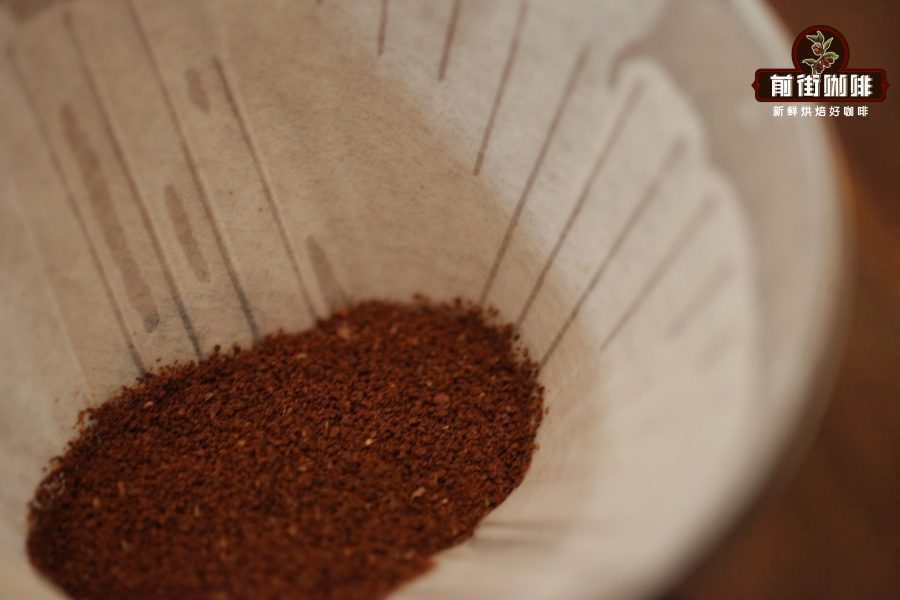
Introduction: Many coffee lovers often wonder: between ground coffee and whole coffee beans, which keeps longer? The answer is coffee beans. The grinding process greatly shortens coffee's shelf life because the fine particles increase the surface area exposed to air, moisture and light, accelerating flavor loss. This article explains the key factors affecting coffee freshness, teaches you how to tell whether coffee has gone bad, and offers practical storage solutions, especially for pour-over coffee enthusiasts and specialty coffee consumers.
A cup of coffee in the morning awakens the senses and brings energy for the whole day. From grinding to brewing, every step affects the final flavor. But have you noticed that coffee changes significantly after grinding? The answer is yes—ground coffee does go stale faster.
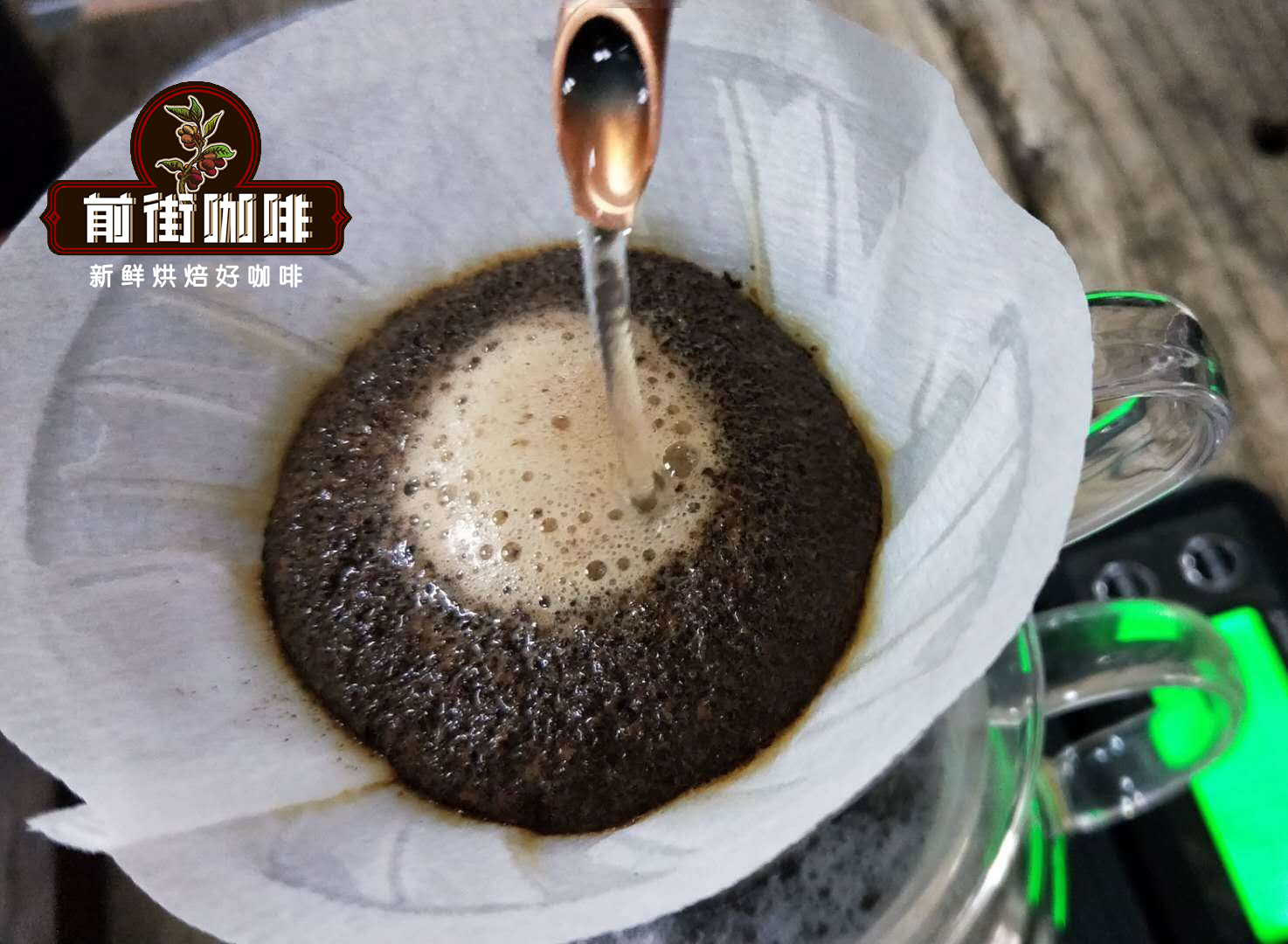
Coffee freshness is affected by multiple factors: form (whole bean or ground), roast level, processing method and storage. Experimental data shows that **whole coffee beans can maintain flavor stability for 6 months at room temperature away from light**, and if sealed and stored in the refrigerator, they can last up to 2 years; ground coffee, whether refrigerated or not, maintains its ideal state for only 3-5 months after opening.
This difference stems from the grinding process's thorough transformation of coffee's structure. When coffee beans are crushed, their surface area grows exponentially, and the aromatic substances originally tightly enclosed are directly exposed to the environment. Oxygen reacts with coffee oils in oxidation, moisture causes hydrolysis of flavor compounds, and ultraviolet light accelerates the volatilization and breakdown of aroma molecules.
Professional baristas recommend watching for three signs of deterioration: the first is weakened aroma, as the originally rich fruity or nutty notes gradually flatten; next is a thinner mouthfeel, with sourness and astringency possibly unusually prominent; finally, a distinct cardboard or rancid oil flavor appears, a typical sign of oil oxidation.
The technical details of storage containers are equally key. Ordinary sealed jars cannot completely block oxygen permeation, while coffee powder in aluminum foil composite packaging can effectively isolate the external environment for months. But note that even with quality packaging, it must be used up within 1 month after opening.
For home users, the most economical approach is to grind and use immediately. If conditions allow, invest in a reliable hand grinder (adjustable grind settings recommended), and adjust parameters according to the brewing method: pour-over coffee suits a medium-coarse grind (similar to sea salt texture), while a French press needs coarser particles. Extracting immediately after grinding preserves the coffee's bright acidity and complexity to the greatest extent.
Special reminder: avoid storing ground coffee together with damp items; the kitchen spice cabinet is not an ideal location. If buying pre-ground coffee, prioritize products labeled "nitrogen-flushed" and check the roast date on the packaging rather than the expiration date—freshly roasted coffee usually needs a 2-7 day resting period to show its best flavor.


