Arabica vs Robusta: Price, Bitterness and Flavor Explained
Introduction: Coffee lovers often struggle with the choice between Arabica and Robusta, which differ significantly in price, flavor and use. This article will comprehensively analyze the characteristics of these two mainstream coffee beans, from growing conditions and compositional differences to brewing performance, to help you make an informed choice based on your needs and answer common questions about bitterness and value for money.
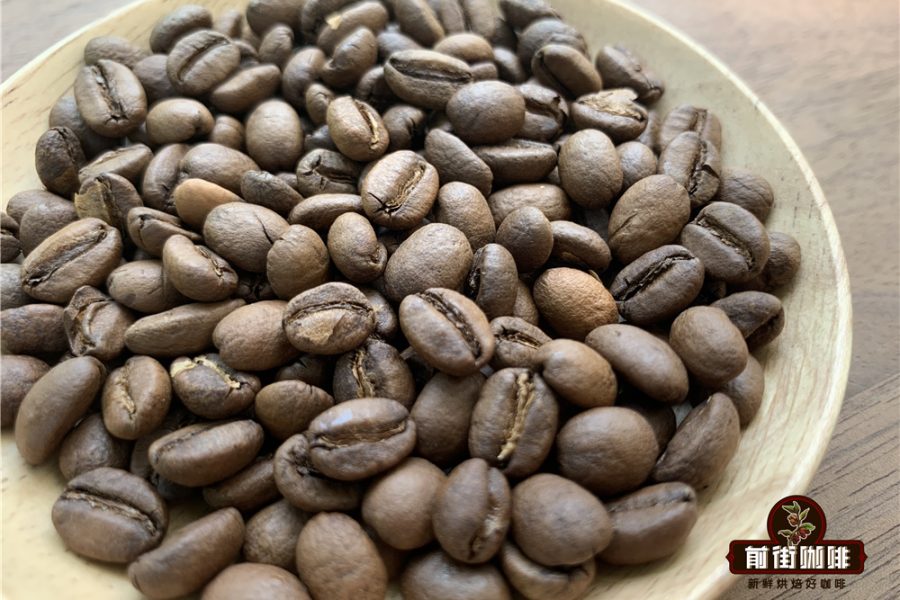
About 75% of the global coffee market is occupied by Arabica coffee beans; this variety, originating in Ethiopia, has become synonymous with specialty coffee thanks to its unique flavor layers. Its ideal growing environment requires conditions such as an altitude of 1000-2000 meters, annual rainfall of 1500-2000 mm and fertile volcanic soil; South American producing regions such as Colombia and Brazil currently contribute the main output. Because Arabica beans contain about 1.2% caffeine (only half that of Robusta), they present delicate flavors such as citrus and nuts, and with a high sugar content of 15-18%, they can still maintain a sweet-sour balance even when dark roasted to the "second crack" stage.
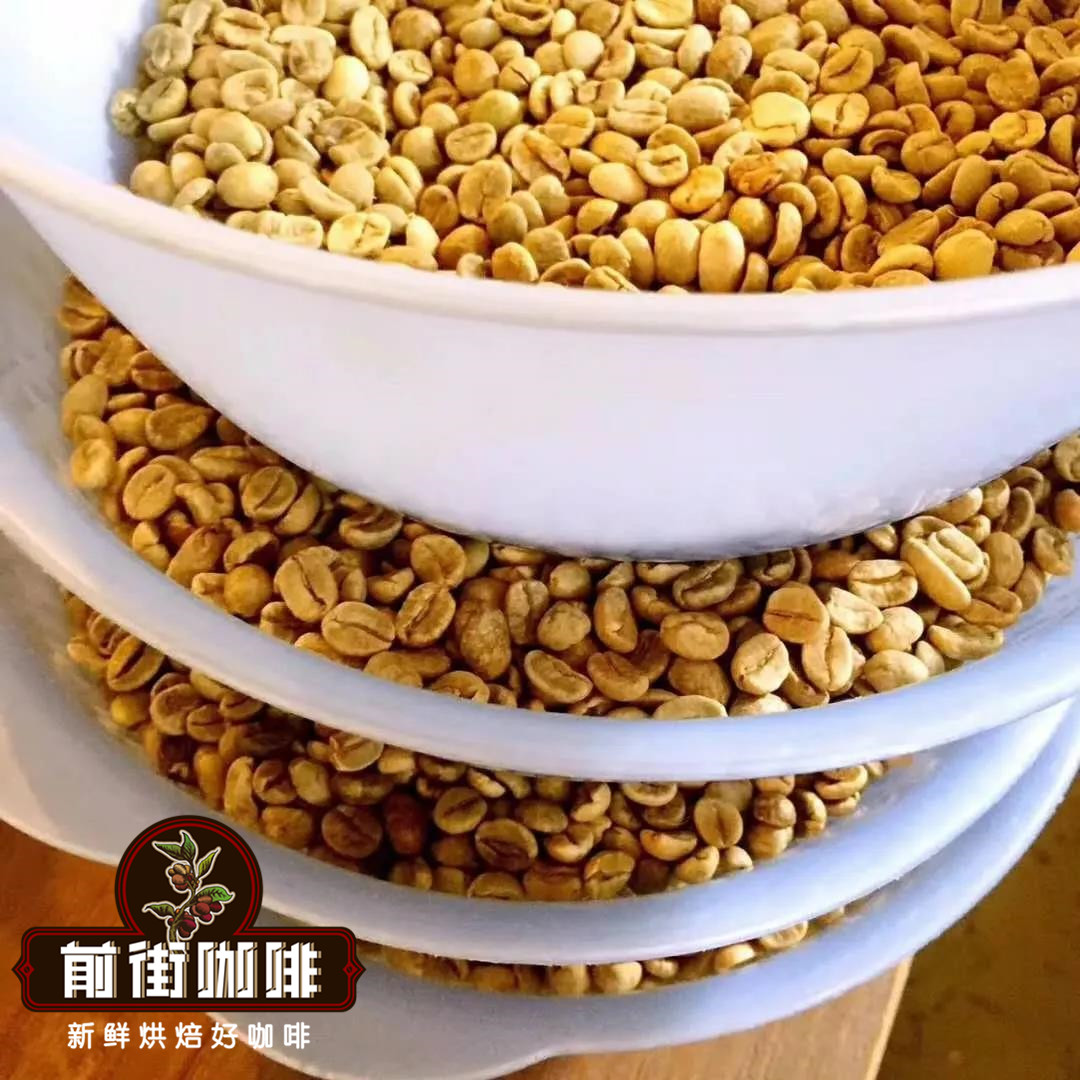
Compared with the meticulous cultivation of Arabica, Robusta beans are far more adaptable and can grow in low-altitude areas of 200-800 meters and in hot, humid environments; Vietnam and Indonesia are their main producing regions. These beans contain about 2.7% caffeine and 7-10% sugar; their natural defense mechanisms give them outstanding resistance to leaf rust, but their rough tannic acid brings a pronounced burnt-bitter taste and rubbery aroma. Dark roasting (above 220°C) amplifies this characteristic, so they are often used in espresso blends to enhance body and are also the main raw material source for instant coffee.
The price difference mainly stems from production costs: Arabica requires manual picking of ripe cherries (only about 15% of the whole plant), and has strict requirements for pest and disease control; Robusta can be mechanically harvested with unripe cherries, and its yield per unit is 30%-50% higher. Market data shows that the average price of Arabica green beans is about $3.5/lb, while Robusta requires only $1.8-2.2/lb, and the price difference in end products can reach 2-3 times. It is worth noting that specialty Robusta that has undergone refined processing (such as Vietnam G1 grade) also has floral and fruity notes, but accounts for less than 5%.
In terms of flavor performance, Arabica highlights floral and black tea notes at medium-light roast (dense first crack) and is suitable for pour-over or siphon; medium-dark roast (end of first crack) develops chocolate and caramel flavors and suits a French press. Robusta's bitterness is more pronounced during high-temperature fast extraction (above 92°C); it is recommended to pair it with milk to balance the taste, or use it for iced coffee to reduce the pungency. Professional baristas suggest that beginners start with blend beans containing more than 70% Arabica and gradually try single-origin varieties.
When purchasing, you can identify them by packaging labels: high-quality Arabica will state the producing region, processing method and roast date, while Robusta commonly has "100% Robusta" or a stated blend ratio with Arabica. When storing, keep them away from light and sealed; the best enjoyment period for both is 2-4 weeks after roasting, and once ground, it is recommended to use them within 15 minutes to ensure freshness.


