Mexican and Yirgacheffe Coffee Beans: Flavor Differences and Origin Stories
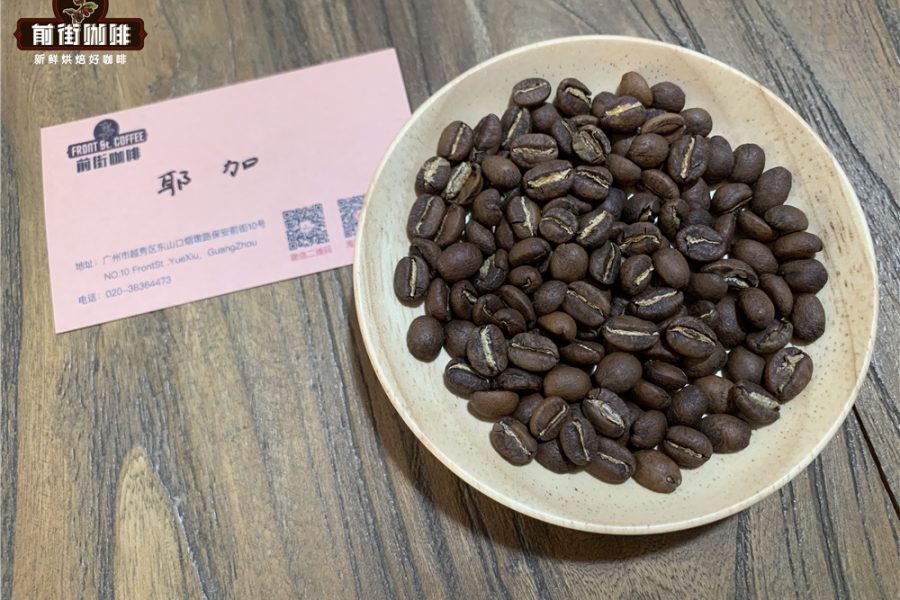
Introduction: Explore the century-long history of Mexican coffee, from the colonial period to modern cooperatives, and compare the distinctive flavor codes of classic Central American origins with Ethiopia's Yirgacheffe. This article not only reviews the policy shifts and regional characteristics of Mexico's coffee industry but also explains in detail how washed and natural processing methods decisively shape Yirgacheffe's flavor, helping you precisely choose beans suited to pour-over or French press.
Mexico's coffee-growing history began in the 18th century, when Spanish colonists introduced coffee seedlings from the Caribbean, but it was in the early 20th century that the industry truly took shape at scale. After the 1910 Mexican Revolution, the government encouraged farmers to switch to coffee cultivation through land reform, and the Mexican Coffee Institute (INMECAFE), founded in the 1970s, drove export volumes up ninefold—though at the time it mainly supplied raw material for instant coffee. With the collapse of the International Coffee Agreement in 1989, this industry, which had relied on policy support, suffered a severe blow, until the recent revival of small cooperatives enabled volcanic-soil regions at 1,200–1,700 meters to once again produce specialty-grade coffee beans.
Mexico's coffee flavor map is highly regional: Veracruz coffees grown at high altitude show bright red berry notes, with berry acidity and cane sugar sweetness especially prominent in light roasts; Chiapas beans have a distinctive syrupy texture, with dark chocolate and citrus flavors transforming into roasted hazelnut aromas after dark roasting; Oaxaca's floral coffees blend almond and caramel finish, suited to consumers who prefer a softer mouthfeel.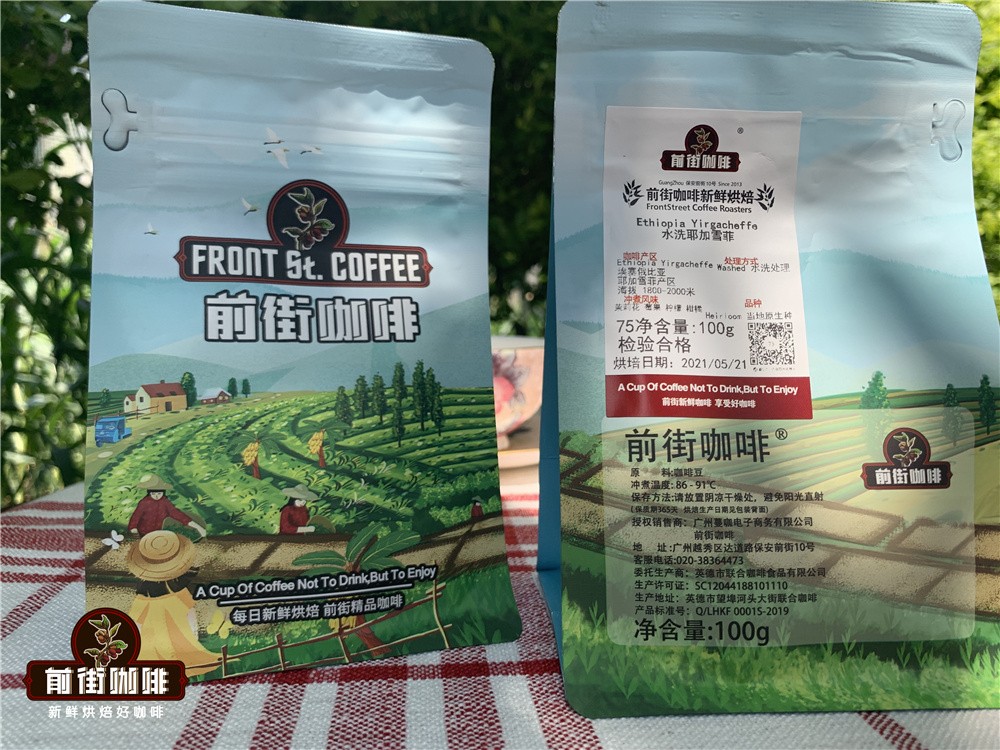 The Puebla region's caramel-almond flavors balance acidity and body, and it is often recommended as a choice for home-roasting beginners.
Traditional Mexican families favor Cafe de Olla brewed fresh in a clay pot (Olla); this brewing method, with cinnamon sticks and piloncillo added, brings a marvelous balance between the coffee's pungency and spicy aromas. Note that during brewing you should first simmer gently over low heat for 10 minutes, then add orange peel to lift the fresh layers—this is the key step that distinguishes it from ordinary spiced coffee.
Turning to the Horn of Africa's Yirgacheffe region, the highland environment at 1,700–2,100 meters creates an entirely different flavor dimension. Washed Yirgacheffe is known for its clear jasmine florals and citric acidity; brewing with a V60 dripper at 92°C and a 1:15 coffee-to-water ratio highlights its black-tea-like finish; the natural-processed version is like a concentrated basket of tropical fruit, with blueberry and mango flavors accompanied by honey sweetness, better suited to French press steeping to release a full-bodied mouthfeel.
The parameter differences between the two processing methods directly affect the final flavor: the washed method requires removing the mucilage and fermenting within 24 hours of picking fully red cherries, while the natural method requires turning the cherries every 6 hours during drying to ensure even drying. Professional roasters recommend keeping Yirgacheffe roast levels between light and medium (Agtron 65–75); over-roasting destroys its signature floral and fruity aromas. For coffee lovers just starting out, a blend that includes a small amount of Brazilian beans to balance acidity is a good option to try first.


