Pour-Over Water Temperature and Extraction Guide: Practical Tips for Controlling Bitterness and Bloom Time
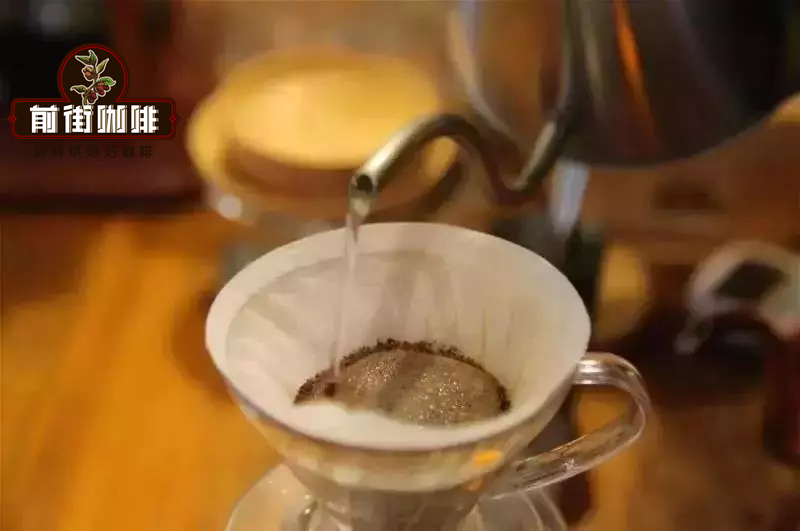
Introduction: The flavor of pour-over coffee is closely tied to parameters such as water temperature, grind size, and extraction time. Many coffee beginners often encounter the problem of coffee being too bitter, and behind this are common pitfalls such as improper water temperature control, insufficient blooming, or grinding too fine. This article analyzes in depth the four key factors that affect coffee bitterness, provides precise water temperature range recommendations, and guides you on how to optimize extraction by adjusting bloom time and grind size, helping you brew a balanced coffee with rich layers.
Coffee flavors are diverse: some describe it as bright and acidic, some find it mellow and full-bodied, and others are put off on their first try by intense bitterness. In fact, coffee bitterness is often not a problem with the beans themselves, but the result of imbalanced parameters during brewing. To master a good cup of pour-over coffee, understanding the principles of extraction and controlling key variables is essential.
There are four main common causes of coffee bitterness, and each factor affects the final flavor presentation. It is recommended to adjust only one variable at a time so you can more accurately identify the root of the problem.
1. Extraction time too long
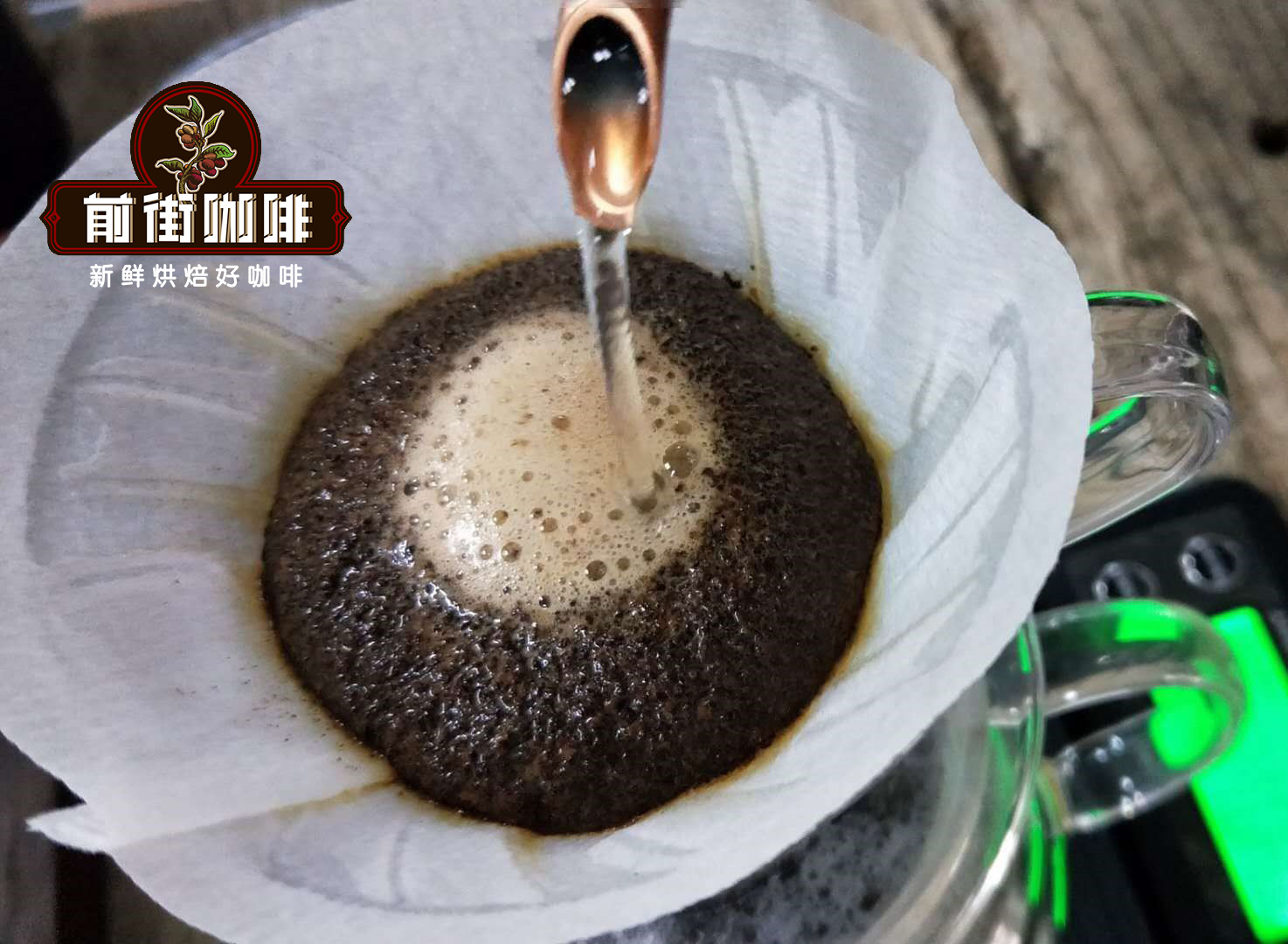
When the contact time between coffee grounds and hot water exceeds the ideal range, the water continues to extract rough substances in the coffee that should have been left behind. The appealing aroma and sweetness of the early stage are gradually replaced by off-flavors from the later stage, which is why over-steeping makes coffee bitter and hard to drink. Pay special attention to the blooming stage as the starting point of extraction, which directly affects the penetration efficiency of subsequent water flow—sufficient blooming helps coffee grounds release gas evenly, laying the foundation for stable extraction afterward.
2. Water temperature too high
The generally recommended pour-over water temperature range is 86-91°C, but this range needs to be adjusted flexibly according to roast level. Light-roasted high-acidity beans such as Yirgacheffe are suited to high-temperature water of 88-91°C, which can fully bring out citrus flavors; while medium-dark roasted Brazilian beans are better suited to a relatively low temperature of 86-88°C to avoid excessive release of burnt-bitter substances. In practice, you can measure with a thermometer, or let boiling water sit for 30 seconds to naturally cool to the target range.
3. Grind too fine
The coarseness of coffee grounds directly affects the contact area between water and coffee. When ground to a fineness close to flour (similar to the sandy texture common for espresso), the water flow rate drops significantly, causing excessive release of coffee substances. For most pour-over devices (such as V60 or Kalita Wave), a medium-fine grind is recommended—similar to the texture of fine sugar, which ensures a reasonable flow rate without causing localized over-extraction due to channeling. Hand grinder users can judge by observing the shape of the ground particles: uniform particles are preferable to powdery dust.
4. Over-roasting
Roast level plays a decisive role in flavor direction. Although dark roasting can produce a rich caramel sensation, it is also easily accompanied by charred bitterness. When buying coffee beans, prioritize fresh batches with a roast date within 1-2 weeks, and pay attention to the flavor descriptions provided by the roaster. High-quality medium-light roasts usually show more floral and fruity notes, while over-roasted beans often have an oily sheen on the surface, a sign of oil seepage that is often accompanied by an increased risk of bitterness.
In addition to the four main causes above, other details are also worth noting: water hardness affects the reaction between minerals and coffee components, so filtered water is recommended; the pouring technique should maintain a steady stream to avoid disturbing the coffee bed; the design of the dripper (such as wave filters vs flat-bottom drippers) also changes extraction efficiency. Once you master these basic principles, through multiple small adjustments to parameter combinations, you will soon find the golden brewing recipe that suits your taste preferences.


