Aged vs. Regular Coffee Beans: The Mandheling Aging Process
Introduction: Have you ever wondered why aged coffee beans cost more? What are the notable flavor differences between aged Mandheling and regular Golden Mandheling? This article takes an in-depth look at how aged coffee is made and the key points of storage, and compares the flavor profiles of aged Mandheling and fresh Golden Mandheling, to help you tell high-quality aged beans from poor-quality stale beans and improve your coffee-tasting skills.
Making aged coffee is a meticulous craft that requires strict control of environmental conditions. In traditional producing regions, coffee beans are usually aged at origin, and high-altitude areas, with their more stable temperature and humidity, often produce aged beans of better quality. Modern roasters tend to age beans themselves through a barrel-aging process—placing green beans in specific containers and monitoring them regularly until they reach the desired flavor state, then roasting. This process lets roasters adjust the length and depth of aging to their needs; typically, dark roasts (such as French roast) better bring out the complex layers of blended beans, while light roasts are better suited to highlighting the distinctive flavor of a single origin.
Aged coffee is fundamentally different from coffee that has simply been stored too long. High-quality aged coffee, under scientific management, develops a fuller body and rich layers of flavor, whereas stale coffee, with its oils oxidized and aromas lost, often retains only a monotonous bitter taste. Be wary of what is marketed as “aged coffee”: some sellers may take unsold ordinary beans, store them for a long time, and sell them at a high price. Truly high-quality aged coffee requires professional warehouse management, including regularly turning the bags of beans to ensure even aging and precisely controlling the warehouse's temperature and humidity.
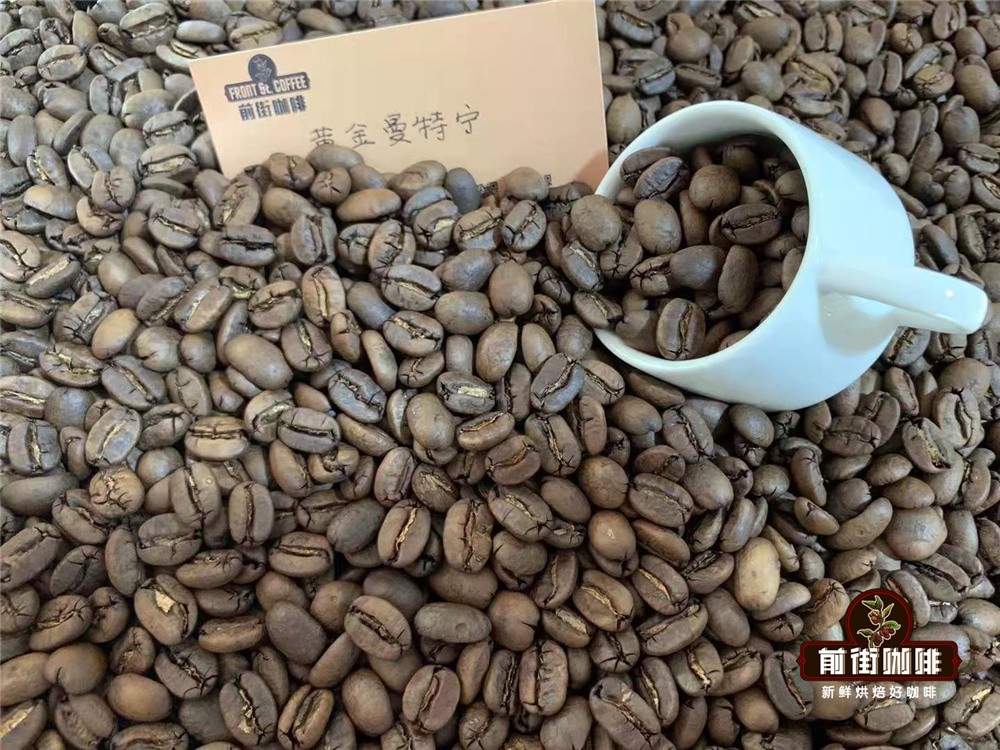
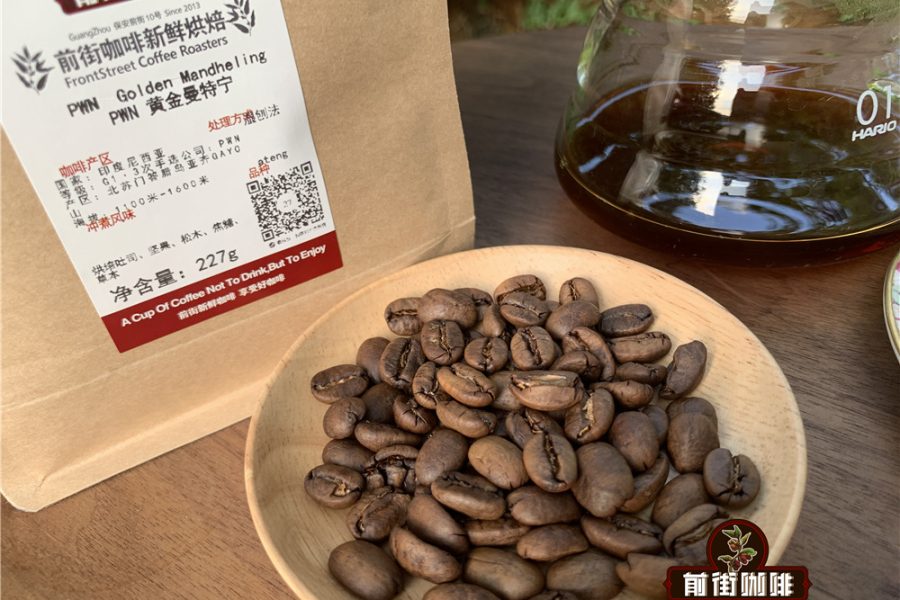
Take Indonesian aged Mandheling as an example. This specialty coffee, professionally aged for at least five years, carries on the distinctive flavor tradition that originally formed naturally during the long sea voyages of the early days. Modern methods simulate natural aging conditions, allowing the beans to slowly develop complex flavors such as woody notes, spice aromas and caramel sweetness in a controlled environment. By comparison, fresh Golden Mandheling (PWN Golden Mandheling) is known for a more direct sweetness, with pronounced notes of grass jelly, toasted bread and nuts, bright acidity, and a distinctive spicy sweetness in the finish.
The flavor evolution of professionally aged Mandheling is a display of craftsmanship: the storage environment must maintain constant temperature and humidity, and the burlap bags must be turned by hand regularly to prevent localized spoilage. This process is not simply a matter of waiting; it creates new flavor dimensions through precise intervention—transforming the fresh beans' juicy quality into deep woody notes and earthy aromas, ultimately forming a complex flavor of spice, caramel and earth. This coffee, which requires special techniques and a long waiting time, can be called the “kung fu bean” of the coffee world: its output is scarce and it has great collector's value.
When buying, we suggest: give priority to reputable suppliers and ask for detailed aging records. High-quality aged Mandheling should show clear spicy sweetness and a caramel finish, not merely the bitter taste of aging. By tasting fresh Golden Mandheling and the aged version side by side, you can understand more intuitively how time shapes coffee flavor—the former shows a fresh vitality like tropical fruit, while the latter presents the mellow depth of years.


