Kona coffee explained: Hawaii's top bean grades and flavor
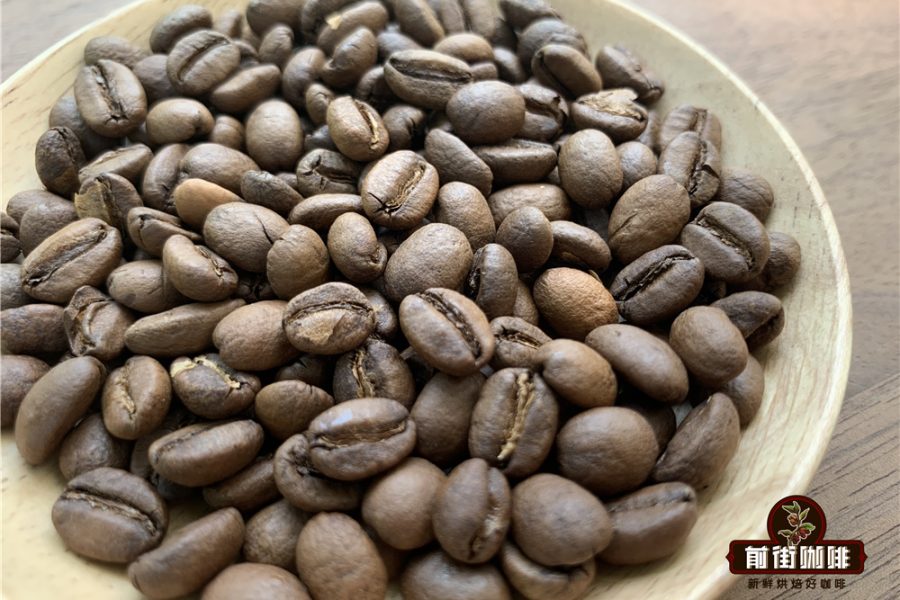
Introduction: Kona coffee is hailed as one of the benchmarks of specialty coffee worldwide, grown in a unique microclimate on the southwestern side of Hawaii's Big Island. This article details the grading system, flavor characteristics, and growing background of this rare coffee, and explains why it is sought after by coffee enthusiasts. By understanding high grades such as Extra Fancy, you will learn how to identify premium Kona beans and uncover the real reasons behind its high price.
Unlike conventional coffee harvesting, Colombian coffee farmers follow strict ripeness selection—picking only fully ripe cherries and leaving underripe fruit on the branch to continue growing. This meticulous management, combined with the high-altitude environment of the Andes (usually above 1,500 meters), allows the beans to accumulate rich sugars during slow ripening, ultimately producing a layered sweet-tart balance and a full body.
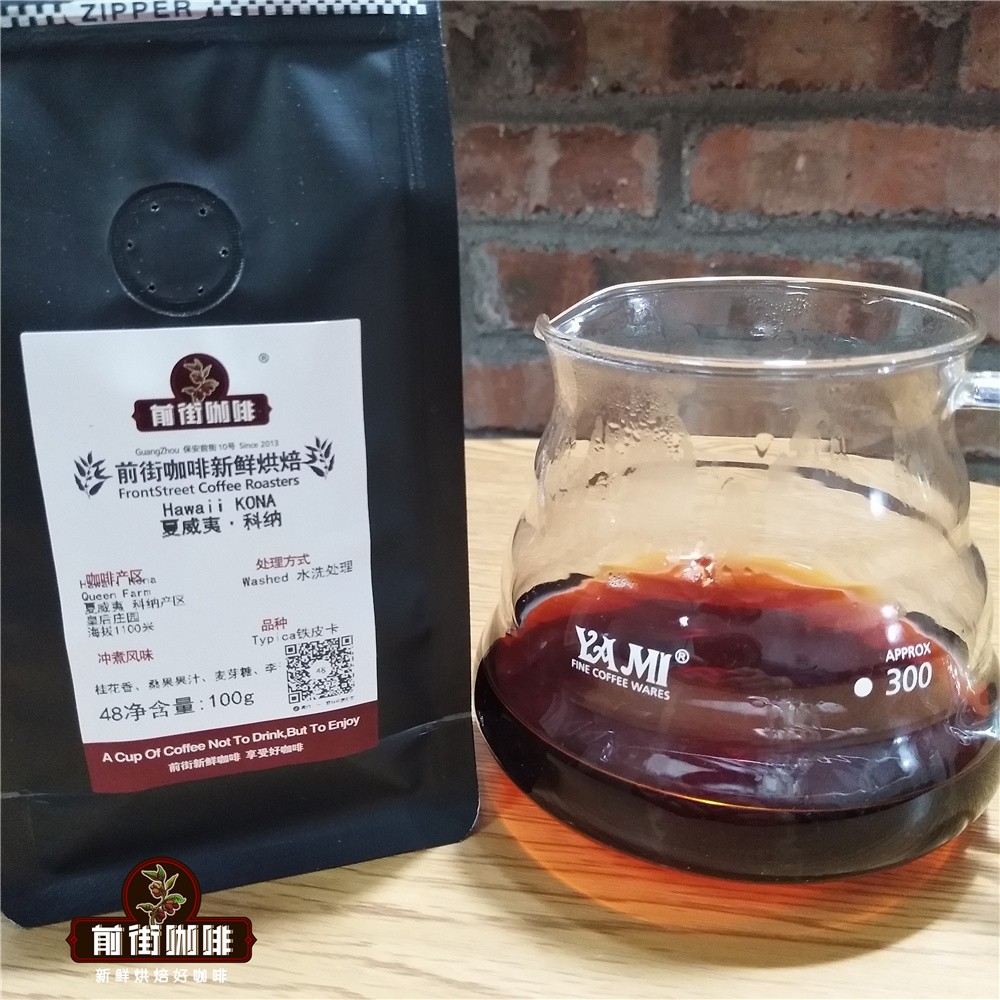
The legend of Kona coffee begins in the volcanic soil region of Hawaii's Big Island, where cultivation skills passed down through century-old family farms are renowned worldwide. The growing area lies in the Kona belt at 800–2,000 feet, where day-night temperature swings of more than 10°C prompt coffee cherries to slowly develop their signature mild acidity and complex nutty notes. Professional cuppers often describe the flavor as "melted butter wrapped in dark chocolate, with a citrus-floral finish."
Hawaii officially classifies coffee into 8 grades, of which Extra Fancy represents the highest quality standard: bean diameter ≥19/64 inch (about 7.5 mm), defect rate below 3%, and uniform blue-green color. This grade accounts for only 5%–8% of the state's annual output. Recommended pour-over parameters: 90–93°C water temperature / 1:15 coffee-to-water ratio / 18–22 second extraction, which fully reveals its honey sweetness and black-tea finish.
Besides Extra Fancy, Number 1 through Select are also commercial premium beans, suitable for cold brew or French press. Note that "Natural Prime" and "Mixed Natural Prime", though lower in price, often carry noticeable fermented off-flavors and are not recommended for consumers seeking clean flavors.
Starbucks once launched a limited 100% Kona blend in 2012, sparking market discussion. In fact, the global Kona growing region produces less than 3 million pounds annually, and the beans require 6 weeks by sea to reach Asian markets; combined with manual picking costs (about 3 times that of ordinary coffee), these factors drive up the retail price. Professional advice: look for the "100% Kona" label when buying, and avoid adulterated "Kona Blend" (which usually contains only 10% genuine Kona beans).
For storage, unopened Kona coffee beans should be kept in a light-proof sealed canister, with the best flavor window 14–21 days after roasting. Grind size should be adjusted to the brewing device: use medium-coarse grounds (#8 mesh) for a siphon, while fine grinding (close to espresso) suits the AeroPress. When you brew a cup with caramel sweetness and a balanced body, that is the best moment to savor the gift of Hawaii's volcanoes.


