Hawaiian Kona Coffee Beans Review: Maui Mokka vs Kona Flavor Guide
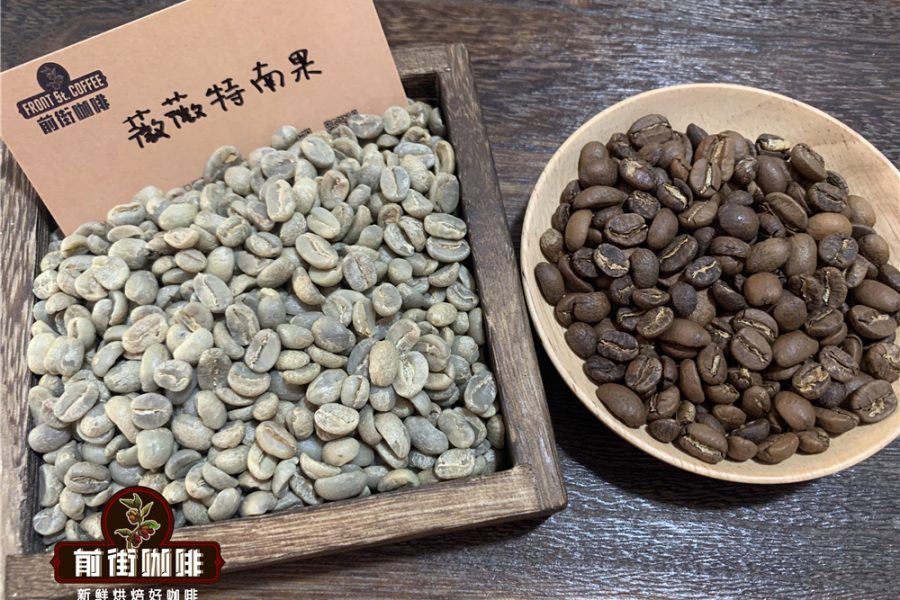
Introduction: Hawaii's volcanic islands produce one of the world's most distinctive specialty coffee regions, and Kona coffee is known for its mild acidity and rich body. This article examines the terroir of Hawaii's main coffee-growing regions, focuses on the flavor differences between the Big Island's Kona region and the rare Maui Mokka variety, and includes professional brewing advice to help you find the Hawaiian coffee experience that suits you best.
Intense volcanic activity across the Hawaiian Islands has created unusual mineral-rich soils whose structure supplies coffee tree roots with abundant trace elements such as potassium and phosphorus. Together with the islands' regular rainfall cycles—about 2,000 mm of precipitation a year and moderate daily sunshine—this forms a microclimate with a day-night temperature swing of 8-10°C. These factors combine to create a natural hotbed for growing high-quality coffee.
It is worth noting that although Hawaiian coffee-growing areas generally sit at elevations of 600-1,200 meters (the Kona core region is about 700-800 meters), lower than top Central and South American regions, the unique volcanic-rock-filtered water and stable maritime climate give Hawaiian coffee a highly balanced flavor profile. Coffee from here generally shows low acidity, and its bitterness is better controlled than in most low- and mid-elevation regions.
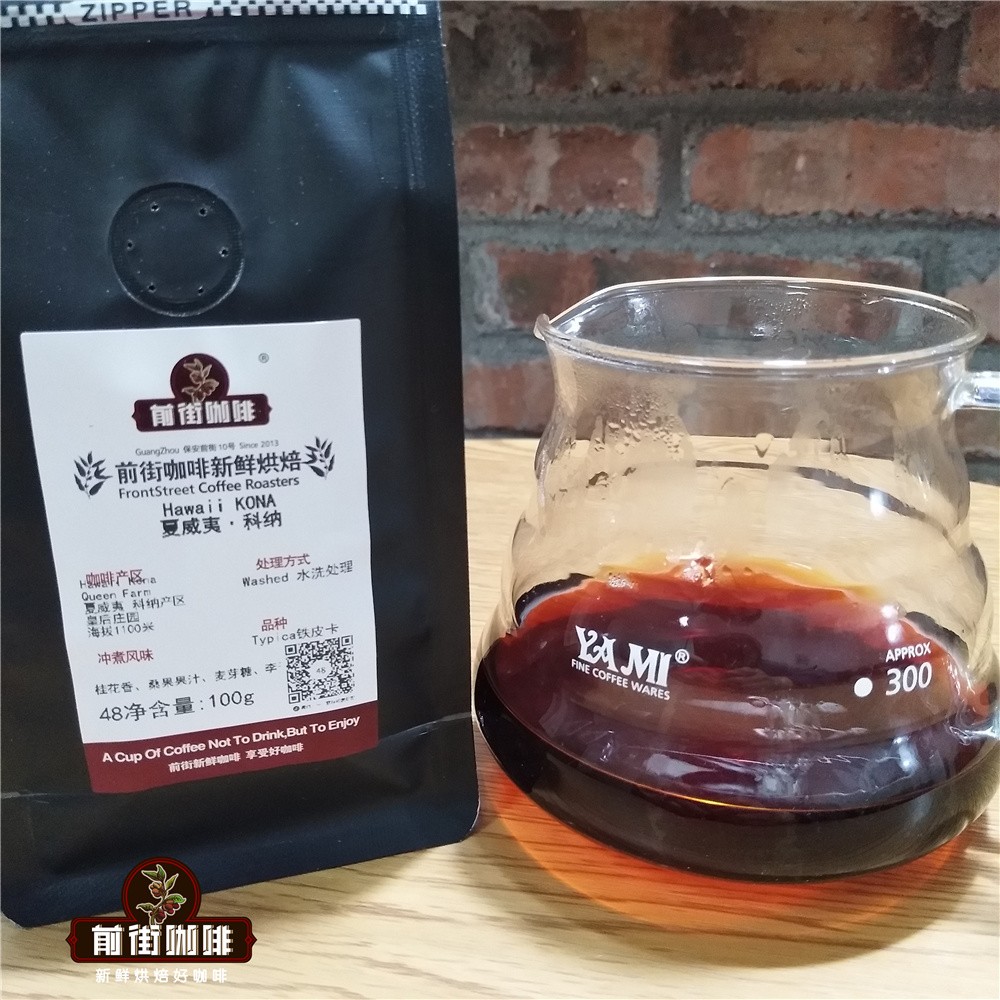
Among Hawaii's many coffee regions, Kona is undoubtedly the most representative. These beans, grown in the Kona district of southwestern Big Island (look for the 100% Kona label), typically show a sweet base of caramelized brown sugar, a rich milk-chocolate texture, and a finish that often carries a honeyed sheen and subtle citrus-fruit notes. Recommended brewing parameters: 92-94°C water, 1:15 coffee-to-water ratio, medium-fine grind (75% passing a Chinese standard No. 20 sieve). For pour-over, a three-stage pouring method is recommended to bring out the layers.
Maui, a volcanic island neighboring the Big Island, has a coffee-growing area less than one-tenth the size of Kona's, yet it is home to the rare and precious Mokka variety. This dwarf coffee tree (adult trees are only 1.2-1.5 meters tall) has weak disease resistance but intense flavor, and the remaining plants are mostly grown on tiny terraces on the slopes of Haleakala volcano. Maui Mokka typically features a collision of deep dark-chocolate bitterness and wild-berry acidity, with a body close to Indonesian Mandheling but more pronounced sweetness. A French press with a 4-minute steep is recommended to release the full flavor.
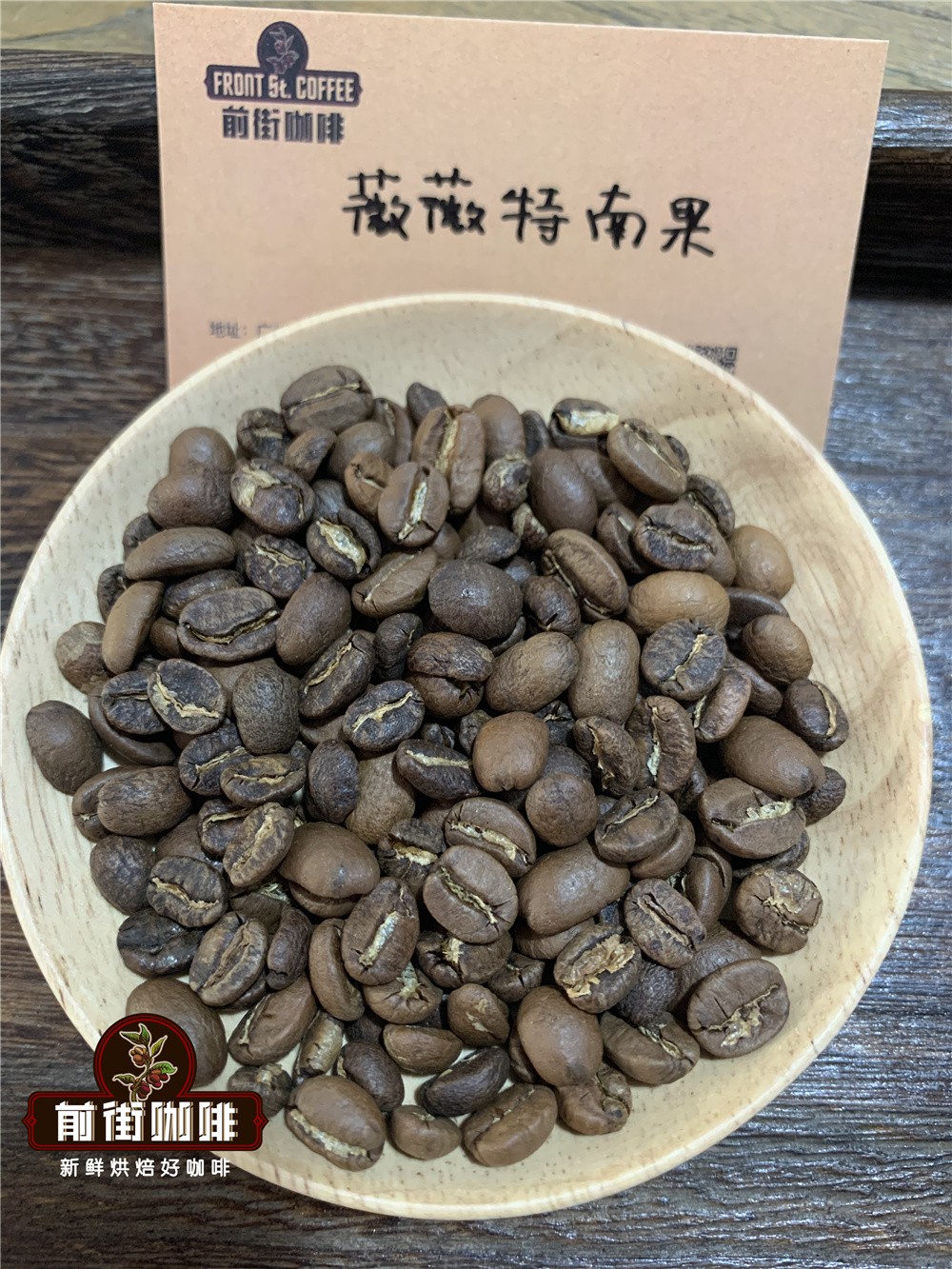
The Ka'u region, which faces Kona across the island to the south, has performed notably in specialty coffee competitions in recent years. Coffee from this area, often processed with the natural method, frequently shows a complex flavor of dried blueberries and caramel, with cupping scores consistently in the 85-87 range (Specialty Coffee Association standard). By comparison, coffee from Guatemala's Huehuetenango region is known for its bright fruit acidity, but its floral and fruity character is closer to African beans, in sharp contrast to the rich, full-bodied style of Hawaiian coffee.
Buyers should note: authentic Kona coffee must be labeled "100% Kona"; blended products may contain only 10% Kona beans. Because Maui Mokka is scarce (annual production is under 2 tons), most so-called "Mokka Hawaiian beans" on the market are imitations made from Ethiopian heirloom varieties, so buying through official grower cooperative channels is recommended. When brewing these low-acidity coffees, extending the bloom time slightly (30-45 seconds is recommended) can effectively improve the sweetness.


