What Are Kona Peaberry Beans? Flavor Differences vs. Normal Beans
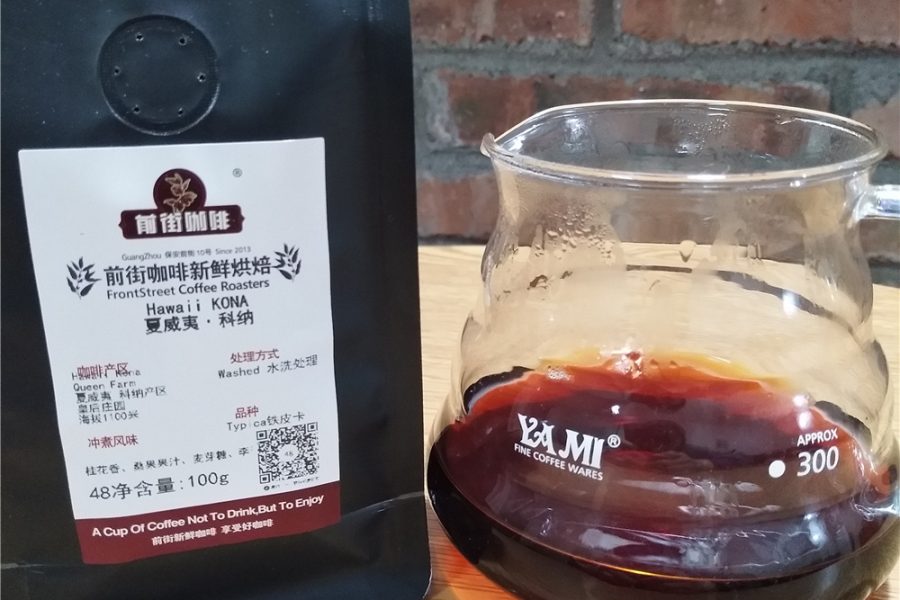
Introduction: Hawaiian Kona coffee is known for its distinctive flavor, and its peaberry beans (round beans) draw particular attention from coffee enthusiasts. This article explains how Kona peaberries form, what makes them rare, compares their core differences in taste and aroma with normal flat beans, and discusses the key factors affecting Kona coffee quality. From a professional perspective, it introduces the true character and tasting points of this high-priced specialty bean.
Hawaii is the only region in the United States that commercially grows coffee, and its unique volcanic soil and maritime climate provide an ideal environment for coffee cultivation. Compared with other coffee-producing regions, labor costs here are higher—even in the Kona region, the minimum hourly wage for coffee farmers must reach $9.25, far exceeding the daily pay of only $2-3 for laborers in places such as Central America. This high-cost input makes local producers more inclined to focus on specialty coffee cultivation, targeting high-spending consumers who seek high-quality beverages.
Kona coffee's annual output peaked at 10 million pounds in 1999, but limited by the island's area and growing conditions, it is now stable at about 7 million pounds per year. Common challenges include reduced yields caused by insufficient rainfall and damage to the pods by the coffee berry borer (a small beetle that invades the interior of the coffee fruit). Despite these limitations, Kona coffee continues to be produced because it can be successfully cultivated on volcanic slopes, and it has become a popular choice for tourists buying high-end souvenirs.
Kona peaberry is a special variant among coffee fruits, formed during the embryo development stage after coffee flowers are pollinated. Normally, each coffee fruit contains two flat beans, but about 3%-5% of fruits develop a single round peaberry—this is due to abnormal embryo division, which causes nutrients to be concentrated in the single bean. This natural mutation makes peaberries smaller and denser, so they heat more evenly during roasting and ultimately present flavor characteristics different from normal flat beans.
In terms of taste, Kona peaberries are usually smoother and more refined than normal flat beans from the same region, with more prominent sweetness and relatively softer acidity. Many coffee professionals describe them as having more concentrated caramel sweetness and tropical fruit notes, along with a clean and lingering finish. This difference stems from the peaberry absorbing all the nutrients in the fruit during growth, resulting in a higher concentration of flavor compounds. However, because only about 3-5 peaberries can be selected from every 100 coffee fruits, their output is scarce and requires manual sorting bean by bean, so the price is generally higher than that of normal Kona flat beans.
Factors affecting the final quality of Kona coffee also include growing altitude (high-quality regions are mostly located at 800-1500 meters), processing method (commonly washed or natural), and roast level. For ordinary consumers, identifying authentic Kona peaberries requires attention to two points: first, confirm that the origin is labeled "Hawai'i Kona"; second, observe whether the bean shape has a complete round character (flat beans are flat and oval). When brewing, a medium-fine grind is recommended, using pour-over or siphon methods to bring out its bright acidity and layering.


