PNG Coffee vs Indonesian Coffee: Which Is Better for Espresso?
Introduction: Want to know whether Papua New Guinea (PNG) coffee is better suited to espresso than Indonesian coffee? This article compares the two beans' core differences, from growing region and processing method to flavor profile and brewing suitability, and offers practical buying advice and roasting references to help you find the coffee experience that suits you best.
Among coffee enthusiasts, the comparison between Papua New Guinea (often shortened to PNG) coffee and Indonesian coffee never stops. Papua New Guinea, on the eastern half of the island of New Guinea, shares the island's resources with Indonesia's western Papua region, yet differences in climate, soil and processing give rise to coffees of distinctly different styles. Especially when discussing how they perform in espresso, the answer is far more worth exploring than a simple 'which is better'.
Papua New Guinea's premium coffee regions are concentrated mainly around Mount Hagen in the central highlands, which has typical volcanic soil and a high-altitude microclimate—large day-night temperature swings and frequent cloud cover—giving coffee trees an environment for slow ripening. About 80% of local coffee is grown in smallholders' 'patch fields' (each household manages only a few hectares), and while this dispersed model makes management harder, it also gives the coffee fruit more diverse flavors. Well-known origins such as Arona and Sigri mostly use traditional wet processing: after picking, the cherries are floated to remove unripe fruit, then the mucilage layer is removed through fermentation tanks, and finally the beans are washed with clean water and dried on African raised beds, with humidity and time strictly controlled throughout, ultimately producing a base quality that is clean in flavor with a low defect rate.
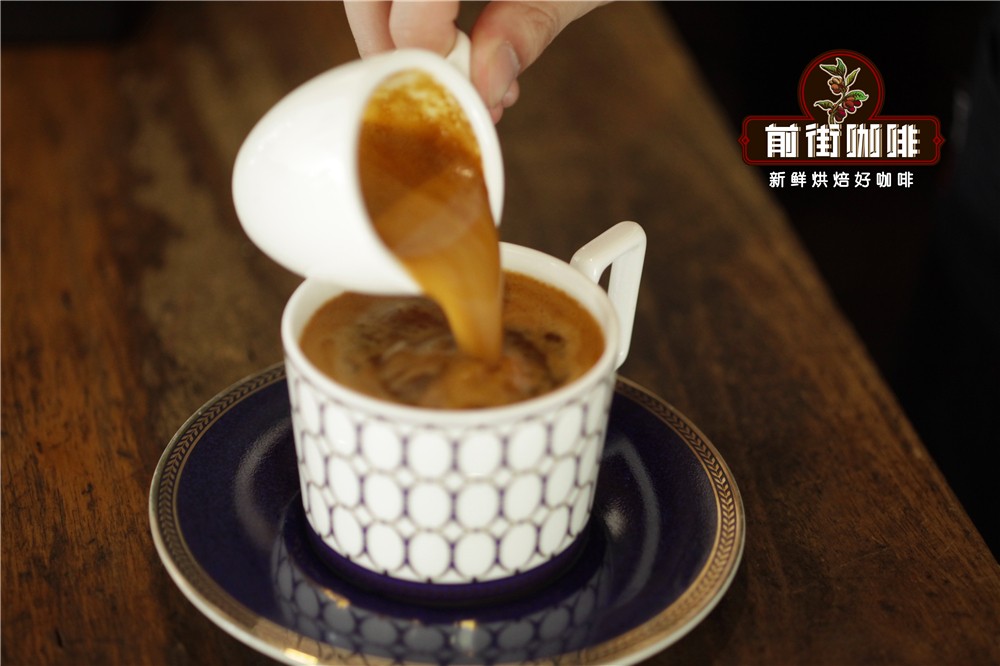
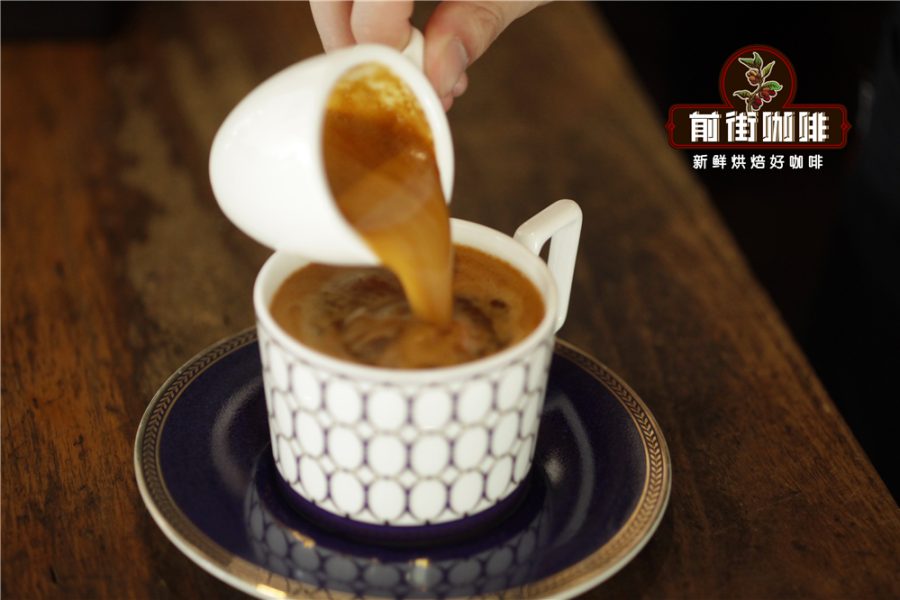
In terms of flavor, PNG's wet-processed coffee shows a distinctive balance: on entry, a gentle body coats the tongue, accompanied by moderate sweetness (often caramel or honey notes), then clear fruit aromas gradually emerge (a slight acidity like red berries or tropical fruit), with a clean finish and a faint earthy note. Compared with Indonesia's flagship Sumatra Mandheling, its acidity is lower and softer (pH usually stable in the 5.2-5.6 range), and while its body does not match Mandheling's thick, oily mouthfeel, its oils are released at a lower temperature—at the medium roast stage (around Agtron 55-60), obvious golden oils begin to appear on the bean surface, a trait that lets it quickly form a rich crema during high-temperature extraction, making it very suitable for espresso that seeks a full mouthfeel.
Indonesian coffee, by contrast—especially Sumatra Mandheling or Sulawesi Toraja—leans toward intense herbal notes and woody aromas, with acidity so low as to be nearly absent (some beans processed by the traditional wet-hulling method even have a pH below 5.0), and a body pushed to the extreme by long fermentation and rugged roasting, but often accompanied by heavy earthy and smoky notes. For espresso lovers who prefer clean flavors or fruit notes, such beans may need more careful blend adjustments to balance the cup.
So is Papua New Guinea coffee really better suited to espresso? The answer depends on personal preference: if you seek the classic Italian-style flavor of 'rich crema + low-acid balance + a touch of fruit', PNG's medium-roasted wet-processed beans are indeed an excellent choice—their oils emulsify quickly at high temperatures of 92-94°C, and with the espresso machine's 9 bar pressure they form a thick crema, while pairing with milk also brings out caramelized sweetness. But if you love the bold flavors emblematic of Southeast Asian coffee (such as strong earthy and herbal notes), Indonesia's Mandheling or Sulawesi may better meet your needs.
Practical brewing advice: when making espresso, adjust the grind to medium-fine (similar to granulated sugar, with about 70%-75% passing through a No. 20 sieve), keep the dose at 18-20g (double shot), maintain extraction time at 25-30 seconds, and aim for a total liquid weight of about 36-40ml. If using PNG beans, you can appropriately extend the pre-infusion time (10-15 seconds) to activate the oils; Indonesian coffee, being denser, needs care to avoid over-extraction and the resulting bitterness. For pour-over fans, PNG coffee at a medium-light roast (Agtron 65-70) better showcases its fruit layers; we recommend brewing with a V60 dripper, 93°C water and a 1:15 coffee-to-water ratio.
In summary, Papua New Guinea coffee is not absolutely 'superior' to Indonesian coffee; rather, it offers another flavor path—with a cleaner base, moderate body and easily released oils, it is a reliable choice for espresso that balances equilibrium and fullness. Whether for a home coffee machine or a commercial café, once you understand the core differences between the two, you can flexibly adjust your bean list to your target customers' needs and create a more targeted coffee experience.


