Yirgacheffe Natural vs Washed Coffee: Pour-Over Parameters and Flavor Differences
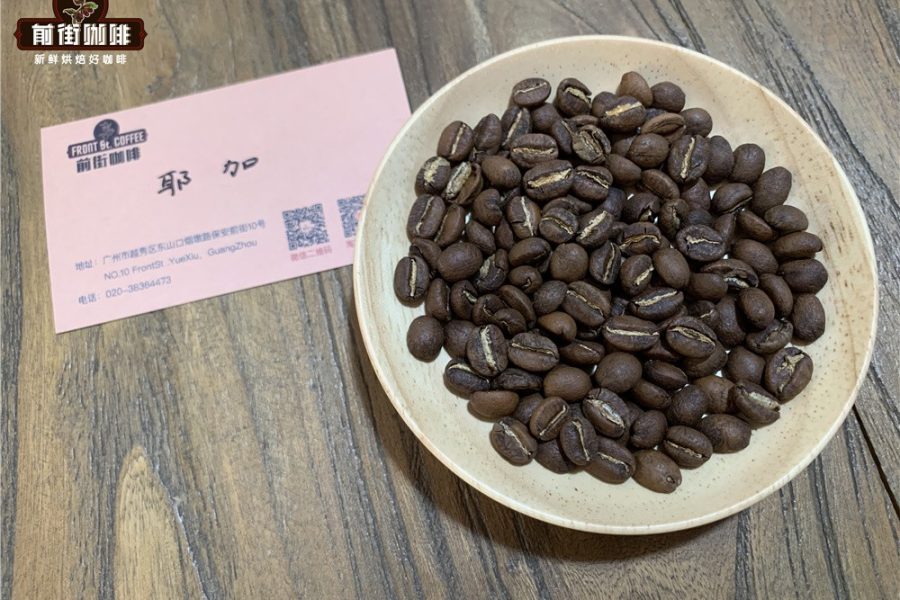
Introduction: Ethiopia's Yirgacheffe region is known for its varied processing methods, and coffee beans from the same region show completely different flavor characteristics depending on whether they are sun-dried (natural) or washed. This article compares in depth the process differences, flavor profiles and pour-over parameters of the two methods, analyzes the patterns of sweet-sour balance and body changes through specific producing-area cases, and provides precise extraction plans to help you choose coffee beans that suit your taste preferences.
When buying coffee beans, the processing method printed on the package—such as "natural" or "washed"—often directly affects the final flavor. Even from the same producing region, different processing methods give coffee beans unique personalities—some fresh and bright, others full-bodied and intense. As one of the world's highest-altitude specialty coffee regions (the main producing area is 1,700-2,100 meters above sea level, and some micro-regions reach 2,500 meters), Yirgacheffe, with its cool, foggy climate and unique terraced planting system, is a typical sample for analyzing processing-method differences.
The Hama Cooperative in Yirgacheffe's core area uses the washed method: freshly picked coffee cherries are floated to remove defective fruit, then machine-depulped, the mucilage is removed in fermentation tanks, and finally the beans are rinsed with clean water and dried on raised beds. This process creates bright citrus notes (similar to lemon/orange acidity) and a clean, transparent mouthfeel, paired with jasmine aroma and multi-layered fruit sweetness, suitable for drinkers who prefer refreshing flavors. For brewing, a 1:15 coffee-to-water ratio is recommended (15 grams of coffee to 225 milliliters of water), Fuji Royal grinder setting 3.5 (about the coarseness of granulated sugar), 89-90°C water temperature, 30-second bloom followed by staged pours, with the total time controlled at 1 minute 55 seconds.
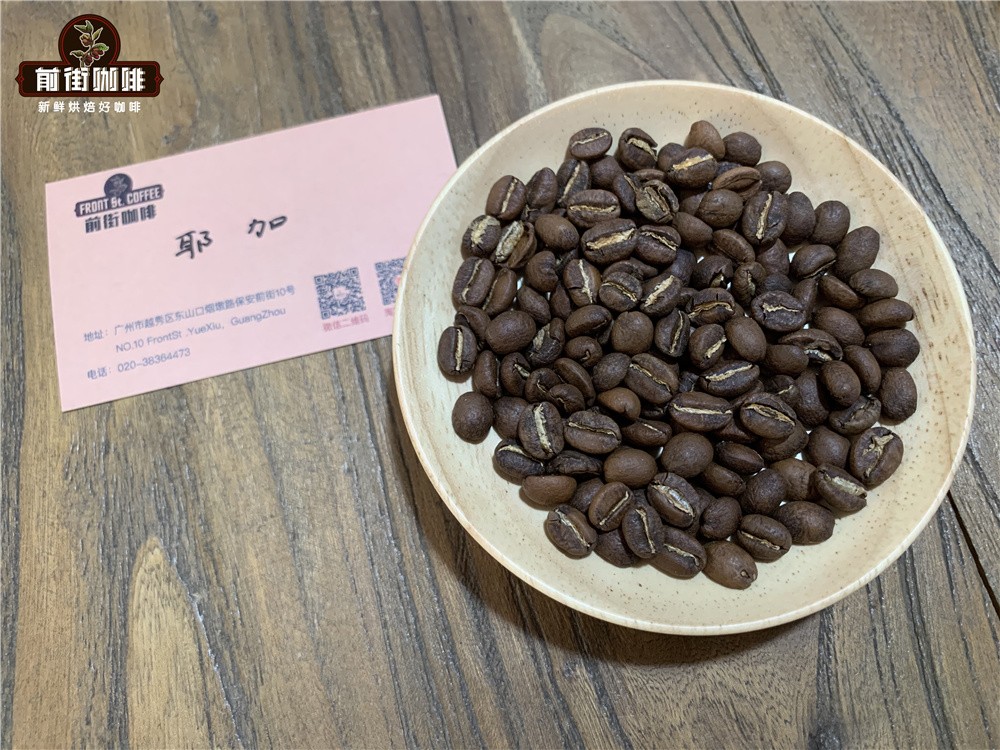
The natural process in Yirgacheffe's Konga producing area shows a completely different style: whole coffee cherries are placed directly on raised drying beds and slowly dried in the sun (usually taking 12-21 days), turned regularly during this period to ensure even dehydration. The sugars and aromatic substances in the fruit pulp fully penetrate the seed, forming blueberry-like fermented fragrance and peach-jam-like rich sweetness, with a long honey-like sweetness in the finish. Compared with the transparent acidity of washed beans, natural beans have a fuller, heavier body and mild acidity (similar to the natural sweet-sourness of berries), with a body score of 4 (out of 5). Professional cupping data show flavor intensity of 4.5 and aftertaste of 4.5, with sweetness and acidity balanced in the 3-3.5 range.
For extracting natural Yirgacheffe, the parameters can be adjusted appropriately: grind coarseness can be set to 3.7-4 (slightly coarser to reduce the risk of over-extraction), water temperature is recommended at 88-90°C (avoiding high temperatures that amplify off-flavors), and the coffee-to-water ratio can be flexibly chosen at 1:14-1:15. When pouring, pay attention to a small, centered stream in the early stage, fully activate during the bloom (30 grams of water for a 30-second bloom), and then use staged extraction to balance concentration. A common mistake is over-pursuing high temperature or fine grinding, which may cause prominent fruity astringency or a thin mouthfeel.
In summary, washed Yirgacheffe suits drinking occasions that pursue fresh fruit acidity and floral-fruity aroma (such as morning refreshment), while the natural version is better paired with desserts or for slow afternoon drinking. Both processing methods use Ethiopian native varieties, grown in the microclimate at 1,800-2,500 meters above sea level, transforming the same terroir into diverse flavor expressions through different processing techniques; consumers can choose according to personal taste preferences.


