Yirgacheffe Showdown: Kochere vs Worka Coffee Beans and Pour-Over Guide
Introduction: Ethiopia's Yirgacheffe region is celebrated as the birthplace of coffee, yet within the same region, beans from different micro-regions differ markedly in flavor. This article focuses on two well-known sub-regions, Kochere and Worka, analyzing altitude, processing method and flavor characteristics in depth to help coffee lovers choose beans suited to their taste through flavor descriptions, and offers pour-over parameter references to enhance the tasting experience.
In the specialty coffee world, Ethiopia's Yirgacheffe region has always been a benchmark for flavor. But few know that even within the same region, beans from different microclimates display distinct personalities. Kochere and Worka, two of Yirgacheffe's most representative sub-regions, lie only about 25 miles apart in a straight line, yet differences in altitude, processing methods and cooperative systems give rise to strikingly different coffee flavors.
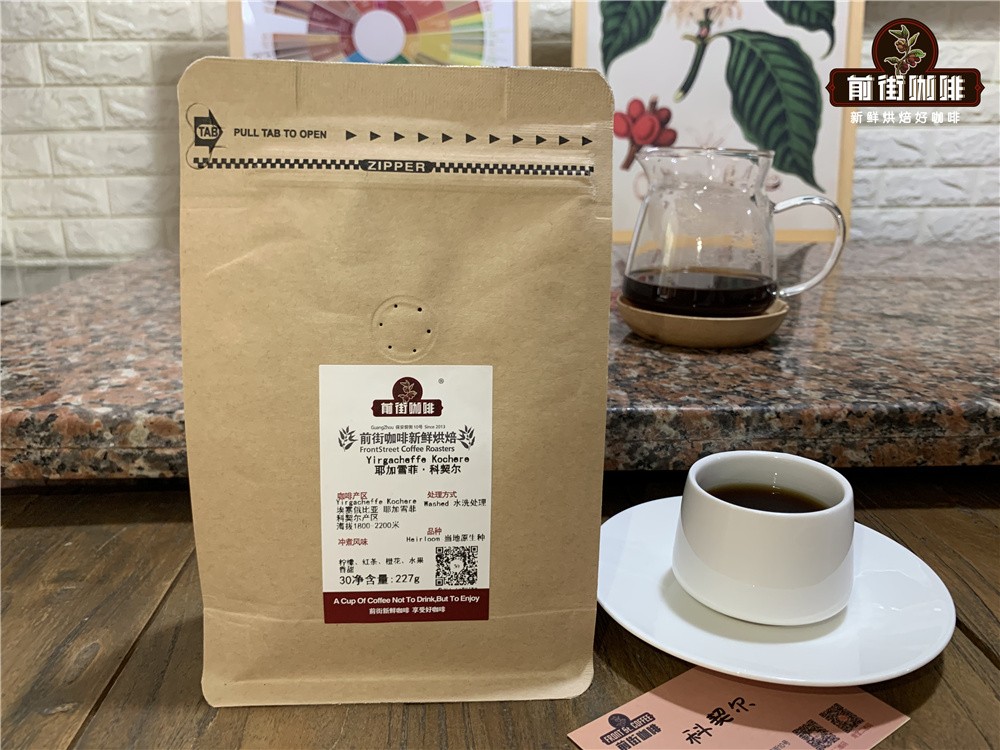
Kochere lies northwest of Yirgacheffe town and is a typical high-density smallholder farming area. Its roughly 100,000 residents depend mainly on coffee farming for their livelihood, and a well-developed cooperative system centrally processes most of the beans in the area. Thanks to advanced washing equipment introduced locally, Kochere coffee excels particularly in washed processing—the beans are clean and bright on the surface, fermentation is precisely controlled, and the result is bright acidity with complex layers of sweetness. The typical flavor profile leads with jasmine, followed by the freshness of citrus fruits (lemon, bergamot) interwoven with honeyed sweetness, and a finish with the mellow balance of black tea; this combined molasses and citrus character makes it a first choice for many pour-over enthusiasts.
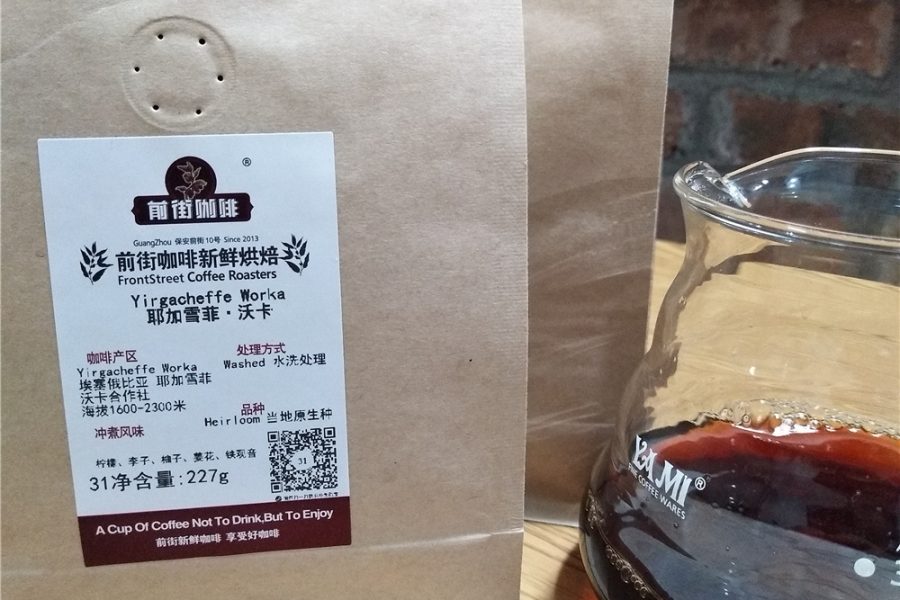
Turning to the Worka region at the southern end of Yirgacheffe town, geography grants it a unique advantage: as one of the highest growing belts in the Gedeo Zone, Worka's coffee fields average 1600–2300 meters in altitude, and the day-night temperature swing at high altitude ripens the coffee cherries more slowly, accumulating more flavor compounds. The best-known Worka cooperative here was founded in 2005 and belongs to the large Yirgacheffe Coffee Farmers Cooperative Union (YCFCU), which brings together 27 cooperatives covering more than 45,000 coffee farmers.
Worka coffee is known for its strength in natural processing, especially the Halobariti sub-region under the Worka cooperative (established independently in 2012), which, though developed later, retains more pristine terroir character. Because direct sunlight and natural fermentation of the fruit pulp act together during sun-drying, these beans tend to show a more intense fruit-forward burst. The flavor profile is built on bright citric acidity, accompanied by the liveliness of dark berries such as blueberry, with a marked increase in body at the mid-palate and a long, oolong-tea-like sweet aftertaste. Notably, Worka coffee from some remote plots may also carry a faint fermented winey note, a typical trait of high-altitude natural processing.
Comparing the two, the common ground on the flavor wheel is obvious: Yirgacheffe's signature citrus plus floral keynote appears in both Kochere and Worka, but differences in processing create a parting of flavor directions. Washed Kochere emphasizes purity and layering, suited to those who prefer a crisp cup; for pour-over, use 92–94°C water, a 1:15 coffee-to-water ratio, and staged pouring (first 30ml bloom for 30 seconds, then circular pouring to a total of 225ml). Naturally processed Worka, by contrast, shows full fruitiness and rich body, better suited to consumers who like intense flavors; pour-over parameters can be adjusted to 90–92°C water and a 1:14 ratio, with the bloom extended to 45 seconds to draw out sweetness.
For coffee lovers just starting out, a simple flavor test can quickly tell them apart: take 5 grams each of Kochere and Worka coffee grounds at the same grind size and cup them separately (pour water and let stand 4 minutes). Kochere's citrus aroma will hit the nose first with an obvious honeyed sweetness, while Worka's berry acidity and tea-like notes become clearer as the temperature drops to around 60°C. These differences stem not only from microclimate and processing method but are also closely tied to local cooperatives' quality control—Kochere cooperatives generally have optical sorters to remove defective beans, while Worka strengthens fermented flavor by extending the time the pulp stays in contact with the beans.


