Ethiopian Sidamo Guji Hualukui Coffee: Variety Traits and Pour-Over Flavor Guide
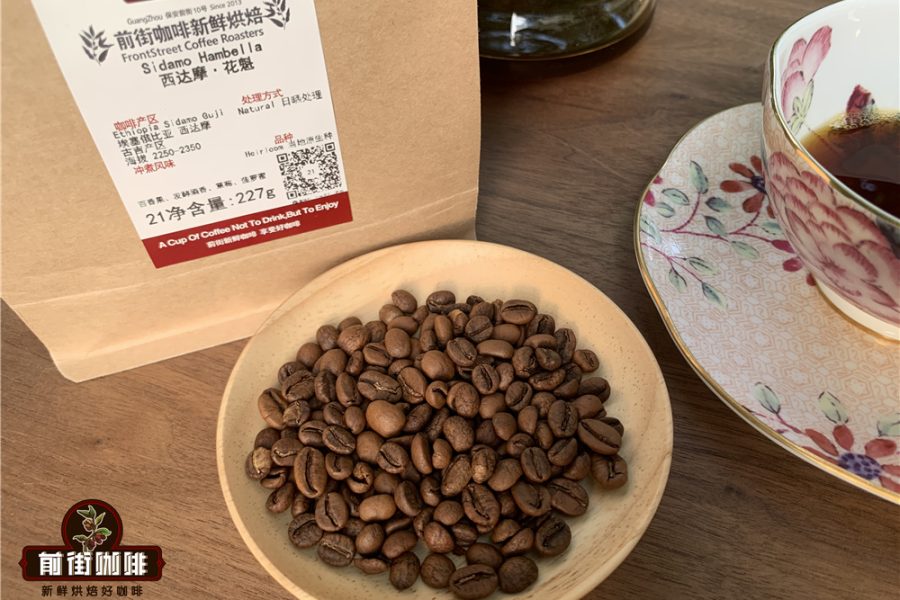
Introduction: An in-depth look at the flavor code of Hualukui coffee from Ethiopia's Sidamo Guji region. From the 2,350-meter Dega variety to the distinctive natural (sun-dried) processing method, this guide introduces a specialty coffee bean that combines berry sweetness and acidity with a black tea finish. Professional pour-over parameters are included at the end to help you precisely present its bright citrus character and lasting sweetness.
As a global treasure trove of coffee genetics, Ethiopia is home to the Sidamo region in the south, whose coffees are known for consistently high quality. The region's annual output ranks among the highest in the country, and its beans generally show outstanding aromatic layering—typically bright berry acidity paired with crisp citrus notes, a classic flavor profile that specialty coffee lovers should not miss.
Among the many Sidamo sub-regions, the Guji region has gradually emerged thanks to its unique microclimate. Administratively, it belongs to the Guji Zone of the Oromia Region; although historically grouped under the broad Sidamo category, it has now become a well-known independent region with a distinct sense of place. The beans reviewed here were grown specifically around Dara town in Guji by smallholder farmers of the Shilcho Coop. The organization has been operating since 1976 and is now a member of SCFCU, Ethiopia's second-largest coffee cooperative union.
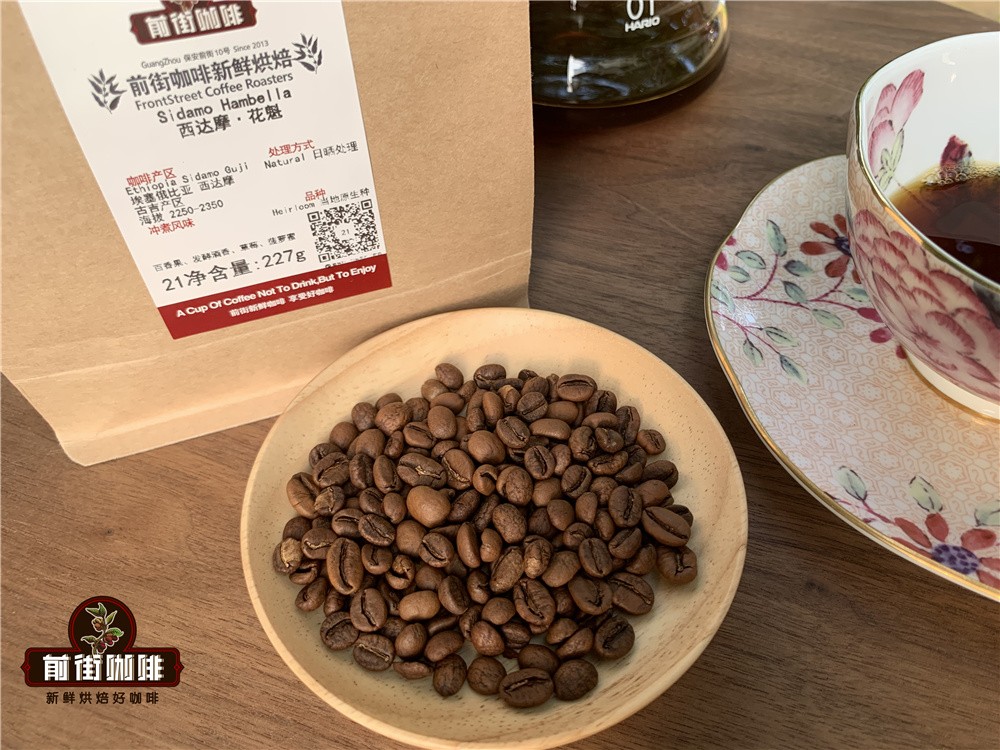
This closely watched lot was grown at an altitude of 2,350 meters. The high-altitude environment encourages the coffee cherries to mature slowly, accumulating richer sugars and aromatic compounds. The variety is the locally well-adapted Dega—a native variety known for strong disease resistance and intense flavor, often considered to carry refined genetics similar to those of Yirgacheffe.
The use of natural (sun-dried) processing is the core highlight of this lot: through weeks of sun drying, the natural sugars in the fruit pulp fully penetrate the seed, forming the signature mellow, sweet base. Professional cupping shows clear red berry notes already in the dry fragrance, while the wet aroma shifts to a fresh lemon black tea flavor.
The flavor unfolds in three stages: on entry, bright citrus acidity is captured first (a mixed acidity reminiscent of blood orange and lime); the mid-palate turns to a full mixed-berry juice texture (blackcurrant and blueberry notes are especially prominent); the finish resonates with lasting caramel sweetness and a delicate tea note. The overall balance of sweetness and acidity is excellent, without the fermented off-flavors that natural beans can sometimes show.
For home brewing enthusiasts, a 1:15 coffee-to-water ratio and a V60 dripper at 92°C with a medium-fine grind (about 75% passing a No. 20 sieve) are recommended. When pouring, use a center pour plus a spiral circling motion; after the first pour, let it bloom for 30 seconds to effectively bring out the floral and fruity aromas. Pause for 30 seconds when the second pour reaches 125 ml to let the coffee bed degas fully; in the final stage, pour with a gentle stream up to a total of 225 ml to preserve its signature black tea finish as much as possible.
Note that naturally processed coffee beans usually have a lower moisture content (about 10.5%–11.5%). After roasting, it is recommended to drink them within 10–20 days of roasting to capture the best flavor window. For storage, use an aluminum foil bag with a one-way degassing valve, keep it away from light at 18–22°C, and avoid storing it together with strongly scented items such as spices.


